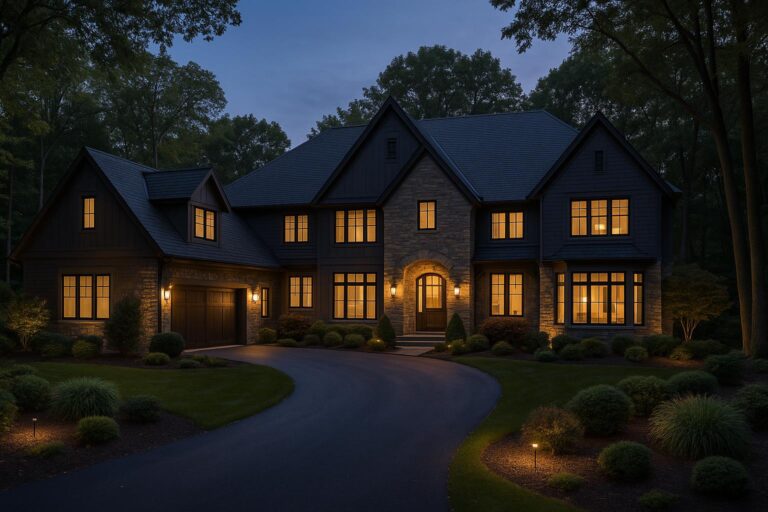
What Should I Know About Utility Costs in Grand Rapids?
When you’re buying a home in Grand Rapids, it’s smart to get a handle on what you’ll spend each month on utilities—especially if you’re moving from a rental, relocating from out of state, or budgeting carefully for your first home. Utility bills can vary widely depending on the home’s age, size, and efficiency, and surprises here can throw off your monthly budget.
Quick Answer
Most Grand Rapids homebuyers should expect to budget $250–$400/month for core utilities (electric, gas, water/sewer, and trash) in a typical 3-bedroom, single-family home. This range covers average weather and usage, but historic homes, large square footage, or older mechanicals can push costs higher—sometimes $500/month or more, especially in winter.
Ask for recent utility bills before you buy and consider energy efficiency upgrades if you want to control costs. If you’re dealing with this situation, I’m happy to walk through it with you.
Strategy #1: Know the Typical Utility Costs in Grand Rapids
The core utilities for most Grand Rapids homes include electricity (Consumers Energy or the city’s Board of Light & Power), natural gas (mainly DTE Energy or Consumers Energy), water/sewer (Grand Rapids Water Department), and trash/recycling (city or private hauler). For a standard 3-bed, 2-bath home, typical monthly costs break down like this:
- Electricity: $80–$120/month
- Natural Gas: $60–$150/month (higher in winter for heating)
- Water/Sewer: $40–$70/month
- Trash/Recycling: $15–$25/month
Larger or older homes—especially those with original windows, less insulation, or outdated furnaces—often see higher bills. On the other hand, newer builds or homes with updated mechanicals and insulation can be on the lower end of the range.
For a closer look at utility rates, check the Consumers Energy residential rates and the Grand Rapids Water/Sewer billing info.
Strategy #2: Ask for Past Utility Bills Before You Buy
One of the most practical steps you can take is to request 12 months of utility bills from the seller before you finalize your offer. Sellers in Grand Rapids are usually willing to provide this, and it gives you a real sense of what the home actually costs to run throughout all four seasons.
This is especially important for homes with features like in-ground pools, hot tubs, or extra-large finished basements, since these can spike utility usage. If you’re moving from a smaller space or an apartment, be prepared for sticker shock—single-family homes often come with much higher heating and cooling bills.
Jason’s take: I always recommend buyers look beyond just the mortgage payment. Utilities are the hidden monthly expense that can make a home feel affordable or like a stretch.
Strategy #3: Factor in Efficiency Upgrades and Home Age
Grand Rapids has plenty of charming older homes, but they’re not always energy efficient. Original windows, minimal insulation, and older furnaces can lead to heat loss and high winter bills. In contrast, homes built after 2000 (or recently updated) often have better insulation, high-efficiency furnaces, and modern windows, which can trim utility costs by 20–30%.
If a home needs upgrades, you can use this as leverage in negotiations or budget for improvements after closing. Check if the home has a programmable thermostat, recent furnace, or added attic insulation—these are good signs for lower bills. For more on energy efficiency, see the U.S. Department of Energy’s Energy Saver Guide.
Jason’s take: In Grand Rapids, I’ve seen buyers save $100+ per month on utilities just by prioritizing homes with updated mechanicals and windows. It really adds up over time.
Rule of thumb: If a home is more than 30 years old and hasn’t had major updates, budget on the higher end for utilities—or plan for upgrades.
Strategy #4: Consider Your Personal Usage and Lifestyle
Your actual utility costs will depend on how you use your new home. If you work from home, have a large family, or run appliances frequently, expect higher bills. Lawn irrigation systems, pools, or electric vehicle charging can also add to your monthly total.
If you’re moving from out of state, keep in mind that West Michigan winters can be cold and long, which means higher gas bills for heating (especially December–March). On the flip side, most homes here don’t need central air running all summer—so electric bills aren’t as high as in southern states.
Jason’s take: Many buyers are surprised that water and sewer rates in Grand Rapids are a bit higher than in nearby suburbs. It’s worth comparing with surrounding areas if you’re on the fence between locations.
Real Buyer Case Study
Last spring, I helped a relocation buyer purchase a 1940s brick home near Eastown for just under $400,000. The home had charm but original windows and an older furnace. The seller provided 12 months of utility bills, which showed winter heating costs spiking to $275/month and summer utility bills dropping below $150/month. This helped the buyer negotiate a seller credit for insulation upgrades and budget realistically for the first year. After the buyer added attic insulation and replaced weatherstripping, gas bills dropped by nearly 30% the following winter.
Grand Rapids Buyer Market Insight
In Grand Rapids, buyers often compete for homes with recent energy updates, especially in the $300,000–$500,000 range. I’ve seen multiple-offer situations where buyers highlight their willingness to take on needed efficiency upgrades, but homes with low utility costs and modern mechanicals usually command a premium and sell quickly. In today’s market, savvy buyers use utility cost estimates as part of their decision-making framework—especially when comparing older homes to newer builds.
Frequently Asked Questions About Buying in Grand Rapids
How can I estimate the utility costs for a specific home?
Ask the seller for their last 12 months of utility bills. If those aren’t available, use the average ranges above and consider the home’s age, size, and efficiency upgrades to estimate conservatively.
Are utility costs higher in Grand Rapids than nearby suburbs?
Water/sewer rates are typically a bit higher within Grand Rapids city limits compared to suburbs like Wyoming or Kentwood. Gas and electric rates are similar throughout the area.
Do all Grand Rapids homes have natural gas heat?
Most homes use natural gas for heating, but some older homes (or homes outside the city) may have electric, propane, or oil heat. Always check the listing details and ask your agent if you’re unsure.
Can I negotiate for efficiency upgrades or credits when buying?
Yes. If a home has older windows or a dated furnace, you can sometimes negotiate for a seller credit or price reduction to offset expected higher utility costs—especially if your inspection report backs up your concerns.
Related Grand Rapids Buyer Resources
- How Do I Decide Which Repairs Are Worth Doing Before Selling My Grand Rapids Home?
- Should Physicians Buy or Rent When Starting Practice in Grand Rapids?
- Grand Rapids Weekly Market Report – July 12, 2026
About the Author
Jason Pohlonski
is a Michigan licensed real estate salesperson with Keller Williams Grand Rapids East. He helps buyers and sellers throughout Grand Rapids, East Grand Rapids, Forest Hills, Ada, Byron Center, Jenison, Cascade, and surrounding West Michigan communities.
Jason began his real estate career in Chicago in 2004, later expanding his experience in Ann Arbor from 2014 to 2019, and has been serving clients in the Grand Rapids area since 2019.
With over 20 years of combined real estate experience across multiple markets, Jason focuses on helping clients make clear real estate decisions involving pricing, offer terms, inspections, appraisals, relocation timing, and buy-sell planning.
Industry Recognition
Jason is recognized by platforms and industry organizations including Zillow, Grand Rapids Magazine Real Estate All-Stars, and Real Producers for his work serving West Michigan buyers and sellers.
Jason also supports One More Moment, a nonprofit that grants wishes to late-stage cancer patients, by donating $100 for every successful closing.
Professional Disclosure
Jason Pohlonski
Michigan Licensed Real Estate Salesperson
License Verification: Verify Michigan License #6501386166
Brokerage: Keller Williams Grand Rapids East
Brokerage Office: 1555 Arboretum Dr. SE, Grand Rapids, MI 49546
📱 Call or text: 616-916-9770
📅 Schedule consultation:
https://calendly.com/pohlonskirealestate/30min
📧 Email: jpohlonski@kw.com
This article reflects real client experiences and market conditions in Grand Rapids and surrounding communities at the time of publication. Real estate outcomes can vary depending on market conditions, property characteristics, buyer demand, financing terms, inspection results, appraisal results, and lender requirements.
This article is for general informational purposes only and is not legal