What should I know about renovation costs in Grand Rapids?
Renovation costs are a huge consideration for Grand Rapids buyers—especially with older homes, competitive price points, or homes needing updates to fit your needs. If you’re planning to buy in Grand Rapids and expect to renovate, you need to know what actually drives those costs, what surprises to watch out for, and how to make smart decisions before you write an offer.
Quick Answer
When buying a home in Grand Rapids, renovation costs can vary widely based on age, size, and condition—but expect $20,000–$60,000 for major updates on an average home, with smaller cosmetic projects starting around $5,000–$15,000. Local labor rates, material choices, and the home’s layout (think: basements, plaster walls, or unique architecture) can all push costs up or down.
Biggest mistake I see? Buyers underestimate both the true cost and the time required—especially when DIY isn’t realistic. If you’re dealing with this situation, I’m happy to walk through it with you.
Understand Local Renovation Cost Drivers
Grand Rapids has a mix of older homes (1920s–1960s) and newer builds. Renovation costs here are shaped by local contractor rates, the age of the home, and supply chain issues for materials. For example, updating an old kitchen in Heritage Hill with plaster walls and original trim is often pricier than a similar update in a newer suburban home.
Labor costs in West Michigan are generally lower than national averages, but demand for skilled trades can still create backlogs or premium pricing—especially during spring and summer. Material prices can fluctuate: lumber, drywall, and even appliance costs have all spiked in recent years. For up-to-date cost breakdowns, check resources like the National Association of Home Builders.
Factor in Inspection Surprises and “Hidden” Costs
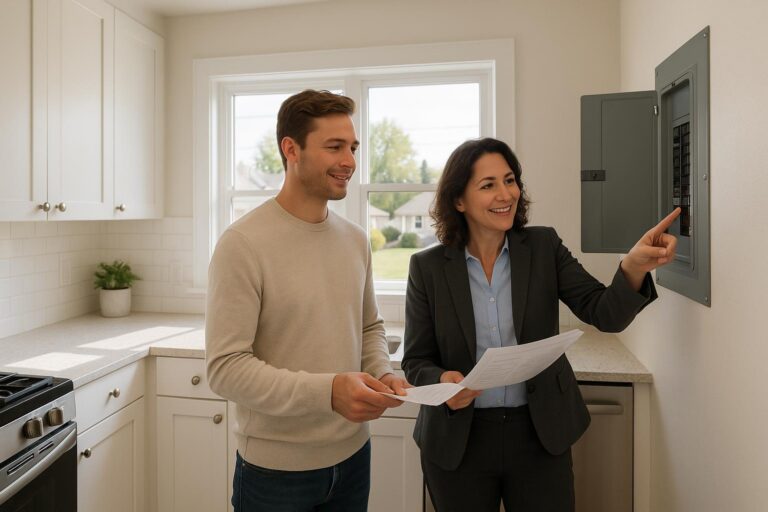
Many Grand Rapids buyers are surprised by what comes up during inspection—think old electrical panels, galvanized plumbing, or foundation quirks. These aren’t always visible at showings but can add thousands to your renovation tab. Plan on a contingency fund of 10–20% above your initial renovation estimate for hidden issues.
Jason’s take: It’s common for buyers to focus on surface updates (paint, flooring) but underestimate what’s lurking behind the walls. In my experience, a thorough pre-offer walk-through with a contractor can save you from big headaches later. If you’re buying a home built before 1970, budget extra for electrical, plumbing, and possible lead paint or asbestos abatement. For more on home inspection issues, the Consumer Financial Protection Bureau offers a good overview.
Decide: Immediate Renovations vs. Future Projects
Not every project needs to be done before move-in. In Grand Rapids, many buyers choose to tackle essential safety or functional items first (roof, furnace, electrical), then handle kitchen, bath, or cosmetic upgrades over time. This can help spread out costs and let you live in the home while you plan larger projects.
Jason’s take: I encourage buyers to separate “must-do” items from “nice-to-have” projects. If the home is livable and safe, you can often phase renovations to keep your finances flexible. This is especially helpful if you’re stretching to win a home in a multiple-offer scenario—where you may need to accept some cosmetic projects as future DIY or weekend work.
Use a Practical Renovation Budget Rule of Thumb
Here’s a local rule of thumb: For an average Grand Rapids single-family home, plan for renovation costs in these ranges—$5,000–$15,000 for minor cosmetic fixes (paint, carpet, fixtures), $20,000–$40,000 for a basic kitchen or bath update, and $50,000+ for a whole-house overhaul or major systems replacement. Always get at least two contractor quotes before making an offer if possible.
To make decisions faster, I recommend buyers use a simple worksheet: list each planned project, estimate high and low cost ranges, then add a 15% buffer for surprises. This helps you see if the home fits your true all-in budget, not just the purchase price. If you want to see how this plays out in a specific Grand Rapids neighborhood, check my recent Grand Rapids Weekly Market Report.
Real Buyer Case Study
Last fall, I worked with a couple buying a $325,000 home in Alger Heights. The house had great bones but needed a kitchen update, new windows, and some electrical work. We walked through with a contractor before making an offer and got a written estimate: $28,000 for immediate needs, plus another $7,000 in “wish list” projects. During inspection, an old knob-and-tube wiring issue popped up, adding $4,500. By knowing these costs up front, my buyers were able to negotiate a small price reduction and still stay on budget—without any nasty surprises after closing.
Grand Rapids Buyer Market Insight
In today’s Grand Rapids market, homes that are “move-in ready” often see multiple offers and sell above list price. Properties needing significant renovation attract fewer bidders, but you need to budget accurately because some sellers won’t negotiate much if they know demand is strong. In neighborhoods like Eastown or Creston, I see buyers winning with strong offers—even on homes needing updates—if they show solid financing and have a clear renovation plan. Being able to show you’ve budgeted for both purchase and renovation makes your offer more competitive.
Frequently Asked Questions About Buying in Grand Rapids
How do I estimate renovation costs before making an offer?
Walk through the home with a trusted contractor or experienced agent before writing an offer. Request line-item estimates for each project and add a 10–20% buffer for unexpected issues. Online calculators can help, but local quotes are best.
Can I roll renovation costs into my mortgage?
Yes, certain loan programs like FHA 203(k) and Fannie Mae HomeStyle allow you to finance renovation costs. These loans have specific requirements—consult your lender for details and to see if you qualify.
What are the most common surprise costs for Grand Rapids buyers?
Electrical upgrades, old plumbing, foundation repairs, and unexpected mold or asbestos remediation are common. These often appear during the inspection period, so budget extra for hidden issues.
Is it harder to find contractors for renovations in Grand Rapids?
Contractor availability can be tight during peak season (spring–summer), and skilled trades are in high demand. Plan ahead and get on contractors’ schedules early if you want timely renovations.
Related Grand Rapids Buyer Resources
About the Author
Jason Pohlonski
is a Michigan licensed real estate salesperson with Keller Williams Grand Rapids East. He helps buyers and sellers throughout Grand Rapids, East Grand Rapids, Forest Hills, Ada, Byron Center, Jenison, Cascade, and surrounding West Michigan communities.
Jason began his real estate career in Chicago in 2004, later expanding his experience in Ann Arbor from 2014 to 2019, and has been serving clients in the Grand Rapids area since 2019.
With over 20 years of combined real estate experience across multiple markets, Jason focuses on helping clients make clear real estate decisions involving pricing, offer terms, inspections, appraisals, relocation timing, and buy-sell planning.
Industry Recognition
Jason is recognized by platforms and industry organizations including Zillow, Grand Rapids Magazine Real Estate All-Stars, and Real Producers for his work serving West Michigan buyers and sellers.
Jason also supports One More Moment, a nonprofit that grants wishes to late-stage cancer patients, by donating $100 for every successful closing.
Professional Disclosure
Jason Pohlonski
Michigan Licensed Real Estate Salesperson
License Verification: Verify Michigan License #6501386166
Brokerage: Keller Williams Grand Rapids East
Brokerage Office: 1555 Arboretum Dr. SE, Grand Rapids, MI 49546
📱 Call or text: 616-916-9770
📅 Schedule consultation:
https://calendly.com/pohlonskirealestate/30min
📧 Email: jpohlonski@kw.com
This article reflects real client experiences and market conditions in Grand Rapids and surrounding communities at the time of publication. Real estate outcomes can vary depending on market conditions, property characteristics, buyer demand, financing terms, inspection results, appraisal results, and lender requirements.
This article is for general informational purposes only and is not legal, tax, financial, insurance, engineering, inspection, or floodplain determination advice. Buyers and sellers should consult qualified professionals before making decisions involving financing, insurance, inspections, taxes, legal issues, or property risk.