How Roof Age Impacts Home Buying Decisions in Grand Rapids
When buying a home in Grand Rapids, the age and condition of the roof is one of the most important factors to evaluate. Roofs in West Michigan endure snow, rain, and seasonal swings, so their remaining lifespan can significantly impact your offer strategy, inspection focus, and even your long-term homeownership costs. If you’re considering a home, understanding the roof’s age and what it means for your budget can help you avoid surprises and make a stronger, more informed decision.
Quick Answer
Yes, you should always consider the age of the roof when buying a home in Grand Rapids. A newer roof can reduce your upfront maintenance risks, while an older roof may signal upcoming repair or replacement costs that can affect your overall budget and negotiation strategy.
Buyers here often ask for documentation on roof installation or request a roof inspection if the age or condition is unclear. If you’re navigating this situation, I’m happy to walk you through what to look for and how it can shape your offer.
Evaluating Roof Age: What Counts as “Old” in Grand Rapids?
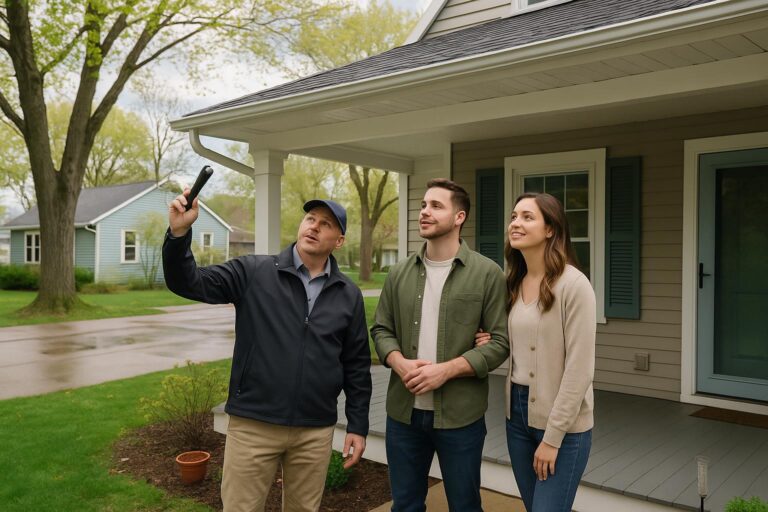
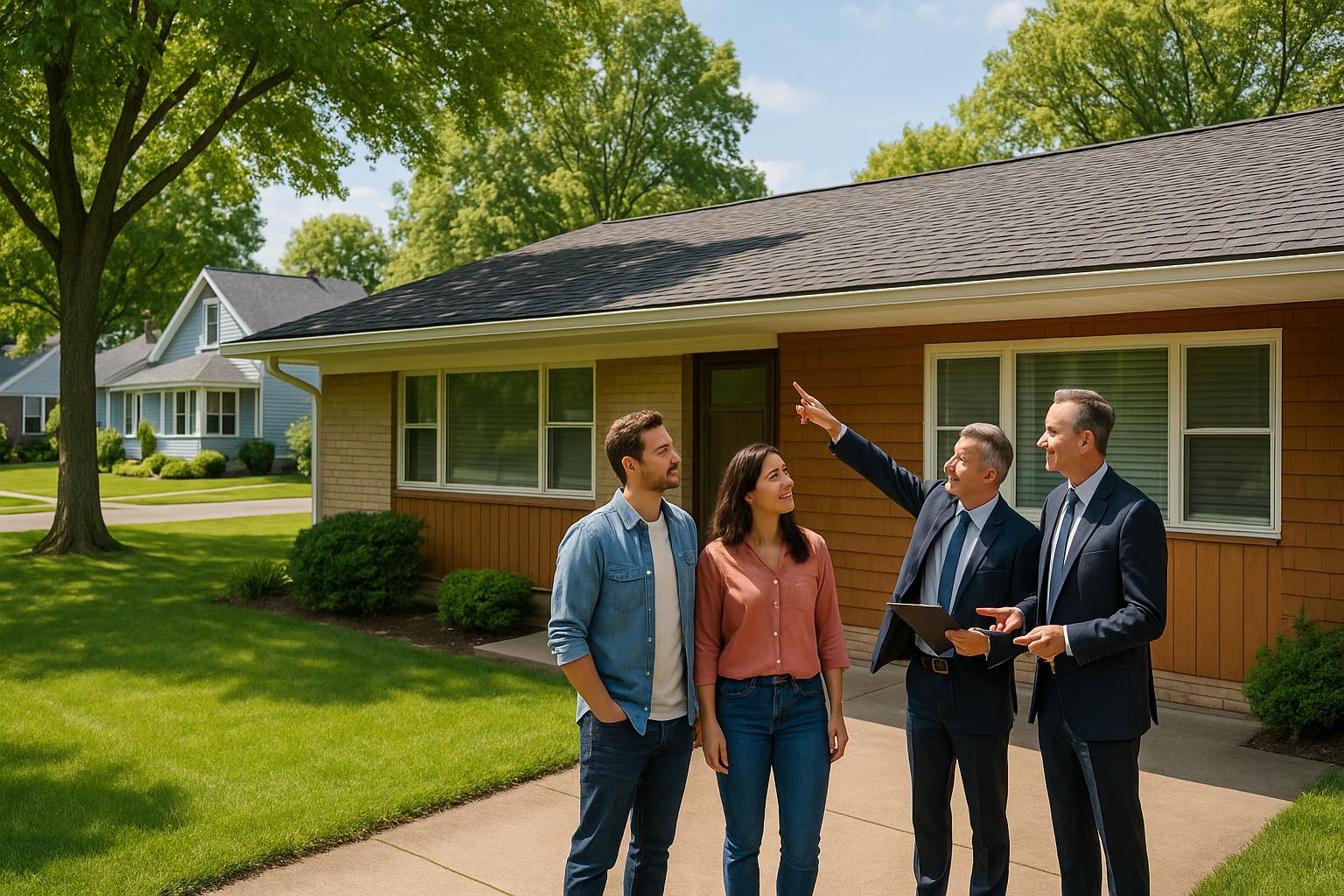
In Grand Rapids, most single-family homes have asphalt shingle roofs, which typically last 18–25 years in our climate. Severe winters and spring storms can shorten that lifespan, especially on older or poorly ventilated homes. When a roof is 15 years or older, buyers should expect increased maintenance needs or the possibility of full replacement within a few years.
Jason’s take: “In our market, a 20+ year old roof almost always comes up during inspection, and sellers are used to buyers requesting credits or repairs if the roof is near end of life.” Knowing the roof age helps buyers avoid overpaying and provides leverage for negotiation or repair requests.
How Roof Age Affects Negotiation and Offers
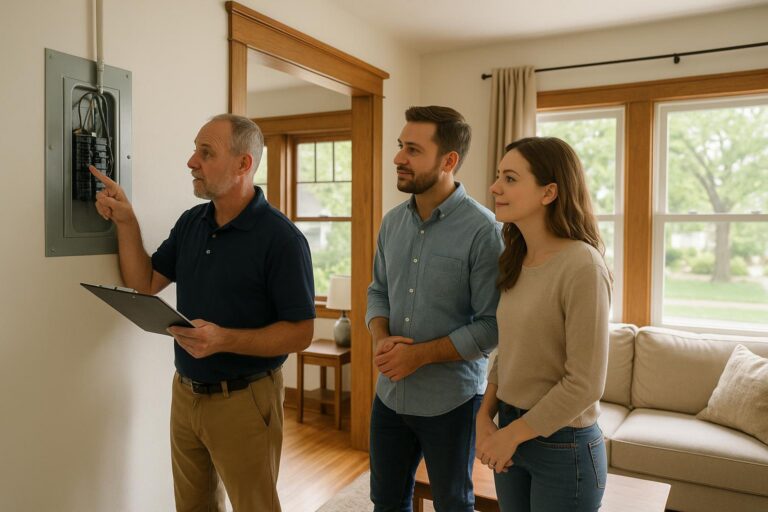
An older roof can be a valuable negotiation tool for buyers. If a home inspection reveals a roof with limited remaining life, buyers frequently ask for a seller credit, price reduction, or for the seller to complete repairs prior to closing. In some cases, sellers proactively replace the roof before listing to attract stronger offers and reduce post-inspection negotiations.
In competitive neighborhoods like East Grand Rapids and Forest Hills, buyers sometimes accept an older roof to win the home, but will factor the potential replacement cost into their offer. I advise buyers to get realistic quotes from local roofing contractors and use those figures to guide their negotiation strategy.
Roof Age and Insurance, Financing, and Inspection Risks
Older roofs can sometimes make it harder to secure affordable homeowners insurance, or even result in policy denial if the roof is past its typical life expectancy. Insurers may require proof of recent roof replacement or inspection to bind a policy. Lenders also want to see that the home is insurable and not at risk for significant immediate repairs, which can delay or jeopardize closing if roof issues aren’t addressed early.
According to the Consumer Financial Protection Bureau, buyers are responsible for ensuring the home meets lender and insurer requirements before closing. In Grand Rapids, I’ve seen buyers lose time or renegotiate deals because an older roof caused an insurance red flag after the inspection period.
Decision-Making Rule of Thumb: When Should Roof Age Change Your Plan?
If the roof is 18 years old or more, budget for a replacement soon—unless there’s documentation showing a higher-grade shingle or recent repairs. For first-time buyers or anyone with tight cash reserves, I recommend prioritizing homes with roofs under 15 years old, or negotiating a credit large enough to realistically cover the replacement if needed.
Jason’s take: “If you’re stretching to buy in a higher price range, don’t ignore the roof—replacement costs in Grand Rapids typically run $8,000–$15,000, depending on size and pitch.” My rule: If the roof is approaching end of life, factor replacement into your offer, not just your inspection list. Fannie Mae also notes that buyers should prepare for major system updates as part of responsible homeownership.
Real Buyer Case Study
Recently, I helped a relocation client purchase a $350,000 home in the Alger Heights neighborhood. The home had a 19-year-old roof with visible wear. During the inspection, the roofer’s report estimated 2–3 years of life left. We negotiated a $7,500 seller credit to offset the future replacement, beating out two other offers who did not address the roof. My client used the credit to pad their home repair fund and felt confident in their purchase knowing what to expect.
Grand Rapids Buyer Market Insight
In Grand Rapids, I’m seeing buyers in the $300,000–$500,000 range get more aggressive about negotiating roof credits, especially in established neighborhoods where many homes have roofs installed before 2008. In multiple-offer situations, buyers who waive minor repairs still often draw the line at major expenses like roof replacement—unless the home is priced to reflect the risk. This local trend means sellers are increasingly providing roof documentation or even pre-listing roof replacements to stay competitive.
Frequently Asked Questions About Buying in Grand Rapids
- How do I verify the roof age on a Grand Rapids home?
Ask for installation receipts, permits, or recent inspection reports. If not available, a roofing contractor or inspector can estimate age based on material condition. - Can I still get a mortgage if the roof is old?
Generally yes, but lenders may require repairs or proof of insurability if the roof is at end of life. Always check with your lender and insurance agent during your contingency period. - How much does a new roof cost in Grand Rapids?
Most replacements run $8,000–$15,000 for an average single-family home, but costs vary by size and shingle type. - Should I walk away if the roof is at the end of its life?
Not necessarily—use the roof’s age to negotiate credits or repairs. If the seller won’t work with you and the roof is a major risk, then it may be smart to move on.
Related Grand Rapids Buyer Resources
- How to Prepare Your Grand Rapids Home for Photos
- Should Medical Residents Rent or Buy in Grand Rapids?
- Handling Showings When Selling in East Grand Rapids
About the Author
Jason Pohlonski
is a Michigan licensed real estate salesperson with Keller Williams Grand Rapids East. He helps buyers and sellers throughout Grand Rapids, East Grand Rapids, Forest Hills, Ada, Byron Center, Jenison, Cascade, and surrounding West Michigan communities.
Jason began his real estate career in Chicago in 2004, later expanding his experience in Ann Arbor from 2014 to 2019, and has been serving clients in the Grand Rapids area since 2019.
With over 20 years of combined real estate experience across multiple markets, Jason focuses on helping clients make clear real estate decisions involving pricing, offer terms, inspections, appraisals, relocation timing, and buy-sell planning.
Industry Recognition
Jason is recognized by platforms and industry organizations including Zillow, Grand Rapids Magazine Real Estate All-Stars, and Real Producers for his work serving West Michigan buyers and sellers.
Jason also supports One More Moment, a nonprofit that grants wishes to late-stage cancer patients, by donating $100 for every successful closing.
Professional Disclosure
Jason Pohlonski
Michigan Licensed Real Estate Salesperson
License Verification: Verify Michigan License #6501386166
Brokerage: Keller Williams Grand Rapids East
Brokerage Office: 1555 Arboretum Dr. SE, Grand Rapids, MI 49546
📱 Call or text: 616-916-9770
📅 Schedule consultation:
https://calendly.com/pohlonskirealestate/30min
📧 Email: jpohlonski@kw.com
This article reflects real client experiences and market conditions in Grand Rapids and surrounding communities at the time of publication. Real estate outcomes can vary depending on market conditions, property characteristics, buyer demand, financing terms, inspection results, appraisal results, and lender requirements.
This article is for general informational purposes only and is not legal, tax, financial, insurance, engineering, inspection, or floodplain determination advice. Buyers and sellers should consult qualified professionals before making decisions involving financing, insurance, inspections, taxes, legal issues, or property risk.