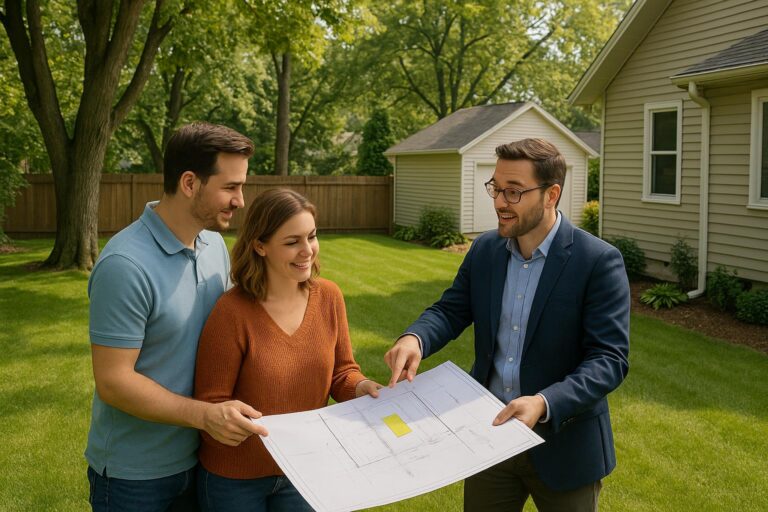
How do I budget for home renovation costs in Grand Rapids?
When you’re buying a home in Grand Rapids, it’s common to find properties that need at least some updates—whether it’s a fresh coat of paint or a full kitchen remodel. The challenge for most buyers is figuring out how to budget for these renovation costs before making an offer, so you’re not caught off guard after closing. Let’s break down exactly how to do this in the Grand Rapids market, with local examples and step-by-step strategies.
Quick Answer
To budget for home renovation costs in Grand Rapids, start by identifying the likely repairs or upgrades during your initial home search, then get ballpark estimates based on local contractor pricing before you make your offer. After your offer is accepted, use your home inspection to finalize the renovation scope, request quotes from trusted local pros, and make sure your total renovation budget (plus closing costs) fits comfortably within your available funds.
Most buyers in Grand Rapids set aside 5–15% of the home price for renovations, depending on the home’s age and condition. If you’re dealing with this situation, I’m happy to walk through it with you.
Strategy 1: Identify Renovation Needs Early in Your Search
Before you even write an offer, get clear about which homes will require immediate updates. In Grand Rapids, homes built before the 1980s often need new roofs, windows, or mechanicals, and many “move-in ready” listings still have kitchens or baths from the 1990s. Walk through homes with a critical eye, making a list of anything you’d want to update in the first two years—think flooring, paint, fixtures, and major systems.
Jason’s take: I encourage buyers to bring a notepad and snap photos of every room during showings, especially if the listing “feels dated.” It’s easy to forget small details that add up to big costs later. Even if you love the house, stay realistic about the updates you’ll want right away versus what can wait.
Strategy 2: Get Realistic Local Estimates Before You Offer
Renovation costs in Grand Rapids can vary widely by neighborhood, contractor, and project scope. Before making an offer, use online tools like Remodeling Magazine’s Cost vs. Value Report for Grand Rapids, and ask your agent for ballpark local figures. For example, a typical bathroom remodel might run $8,000–$18,000 here, while refinishing hardwood floors may cost $3–$5 per square foot. Factor these numbers into your offer strategy so you don’t overextend yourself.
Jason’s take: I always recommend building in a 10–15% buffer on top of the initial estimates for surprises. Grand Rapids homes sometimes have hidden issues that only come up after closing—especially in older neighborhoods like Eastown or Alger Heights.
Strategy 3: Use the Home Inspection to Refine Your Budget
Once your offer is accepted, your home inspection becomes your best budgeting tool. The inspector will flag safety issues, worn-out systems, and hidden problems. Use the inspection report as a renovation checklist and share it with at least one local contractor for updated quotes. For urgent repairs (like a failing roof or electrical hazard), you may be able to negotiate with the seller for credits or repairs, but plan for cosmetic updates to be your responsibility.
If you’re not sure which contractors are reputable, ask your agent for referrals or check reviews with the Better Business Bureau of Western Michigan. Local contractors often have busy schedules in the spring and summer, so get on their radar early.
Strategy 4: Create a Renovation Budget Framework You Can Stick To
Once you have your inspection report and contractor quotes, create a simple renovation budget spreadsheet. List each project, the estimated cost, and a timeline for completion. Prioritize essentials (roof, furnace, electrical) before cosmetic upgrades. My rule of thumb: make sure your total cash needed for closing, plus renovations, leaves at least 3–6 months of living expenses in reserves after you move in.
If you’re planning to finance renovations, talk with your lender about options like FHA 203(k) or Fannie Mae HomeStyle loans, which roll renovation costs into your mortgage. Not all homes or buyers will qualify, but it’s worth exploring if you want to tackle bigger projects right away.
Real Buyer Case Study
Last year, I worked with a first-time buyer purchasing a $285,000 home in the Creston neighborhood. The house had great bones but needed a new roof and cosmetic updates throughout. During the inspection, the buyer’s contractor estimated $16,000 for the roof and $8,000 for paint and floors. We negotiated a $7,000 seller credit for the roof, which helped the buyer stay within their $25,000 renovation budget. They moved in knowing exactly what to expect and tackled the projects over six months—without financial surprises.
Grand Rapids Buyer Market Insight
In today’s Grand Rapids market, buyers looking in the $250K–$400K range often face multiple-offer situations, especially on homes that are already updated. Many buyers are now targeting “needs TLC” properties to avoid bidding wars and get more house for the money—but only if they budget realistically for renovations. I’ve noticed that buyers who plan ahead for repairs and upgrades are more confident and less stressed throughout the process.
Frequently Asked Questions About Buying in Grand Rapids
How much should I set aside for renovations on an older Grand Rapids home?
Most buyers set aside 10–15% of the purchase price for immediate renovations on homes built before 1980, but your actual needs depend on the home’s inspection results and your priorities.
Can I roll renovation costs into my mortgage?
Yes, certain loan programs like FHA 203(k) and Fannie Mae HomeStyle allow you to finance renovations, but they have specific requirements. Ask your lender early in the process.
What if the inspection finds expensive issues after I make an offer?
You may be able to negotiate with the seller for repairs, credits, or a price reduction, but cosmetic upgrades are usually up to the buyer. Your agent can guide you through this negotiation.
Are renovation contractors in Grand Rapids easy to schedule?
Contractors are in high demand, especially in spring and summer. Schedule estimates early and be flexible on timing for non-urgent projects. Ask your agent for reputable local referrals.
Related Grand Rapids Buyer Resources
- What Should I Know About Utility Costs in Grand Rapids?
- What Happens During the Final Walkthrough for My First Home in Grand Rapids?
- What Should I Know About Buyer Possession Requests When Selling My Grand Rapids Home?
About the Author
Jason Pohlonski
is a Michigan licensed real estate salesperson with Keller Williams Grand Rapids East. He helps buyers and sellers throughout Grand Rapids, East Grand Rapids, Forest Hills, Ada, Byron Center, Jenison, Cascade, and surrounding West Michigan communities.
Jason began his real estate career in Chicago in 2004, later expanding his experience in Ann Arbor from 2014 to 2019, and has been serving clients in the Grand Rapids area since 2019.
With over 20 years of combined real estate experience across multiple markets, Jason focuses on helping clients make clear real estate decisions involving pricing, offer terms, inspections, appraisals, relocation timing, and buy-sell planning.
Industry Recognition
Jason is recognized by platforms and industry organizations including Zillow, Grand Rapids Magazine Real Estate All-Stars, and Real Producers for his work serving West Michigan buyers and sellers.
Jason also supports One More Moment, a nonprofit that grants wishes to late-stage cancer patients, by donating $100 for every successful closing.
Professional Disclosure
Jason Pohlonski
Michigan Licensed Real Estate Salesperson
License Verification: Verify Michigan License #6501386166
Brokerage: Keller Williams Grand Rapids East
Brokerage Office: 1555 Arboretum Dr. SE, Grand Rapids, MI 49546
📱 Call or text: 616-916-9770
📅 Schedule consultation:
https://calendly.com/pohlonskirealestate/30min
📧 Email: jpohlonski@kw.com
This article reflects real client experiences and market conditions in Grand Rapids and surrounding communities at the time of publication. Real estate outcomes can vary depending on market conditions, property characteristics, buyer demand, financing terms, inspection results, appraisal results, and lender requirements.
This article is for general informational purposes only and is not legal, tax, financial, insurance, engineering, inspection, or floodplain determination advice. Buyers and sellers should consult qualified professionals before making decisions involving financing, insurance, inspections, taxes, legal issues, or property risk.