What Should I Know About Easements Before Buying in Grand Rapids?
If you’re buying a home in Grand Rapids, it’s important to know how easements could affect your use, enjoyment, and even future plans for the property. Easements are common here—and they aren’t always obvious just by walking the lot or reading the listing. Missing an easement detail can lead to headaches down the road, especially if you want to add a fence, put in a pool, or build an addition.
Quick Answer
In Grand Rapids, easements are legal rights that let someone else use a portion of your property for a specific purpose—like utility lines, shared driveways, or public access. They’re recorded with the county and can affect what you’re allowed to build, plant, or change on that part of the land.
Before buying, you’ll want to review the property survey, title commitment, and seller disclosures to spot any easements. Some are obvious (utility poles, sidewalks), but others are buried in paperwork or only show up on a survey. If you’re dealing with this situation, I’m happy to walk through it with you.
Understanding the Types of Easements in Grand Rapids
Most Grand Rapids buyers encounter two main types of easements: utility easements and access easements. Utility easements allow companies (like Consumers Energy or the City of Grand Rapids) to run power lines, water mains, or sewers across a portion of your lot—even your backyard. Access easements might let a neighbor legally cross your property to reach theirs, or create a shared driveway between houses.
There are also drainage easements, conservation easements, and, in some neighborhoods, old railroad or alley easements. Each type can impact your rights differently. A utility easement might prevent you from building a shed, while a shared driveway easement could mean you’re responsible for maintenance costs with a neighbor.
How Easements Affect Your Use and Resale Value
Easements can limit how you use your property—even after you’ve closed. For example, you might not be able to put up a fence, add a patio, or plant large trees where an easement exists. If you ignore these restrictions and build anyway, you could be forced to remove improvements at your own expense. Resale value can also be affected, especially if buyers see the easement as a nuisance or a dealbreaker.
Jason’s take: In Grand Rapids, buyers sometimes overlook utility or access easements until the inspection phase, then scramble to adjust their plans. I always recommend checking the survey and title work early—before you’re emotionally attached or out earnest money.
How to Find and Verify Easements Before You Buy
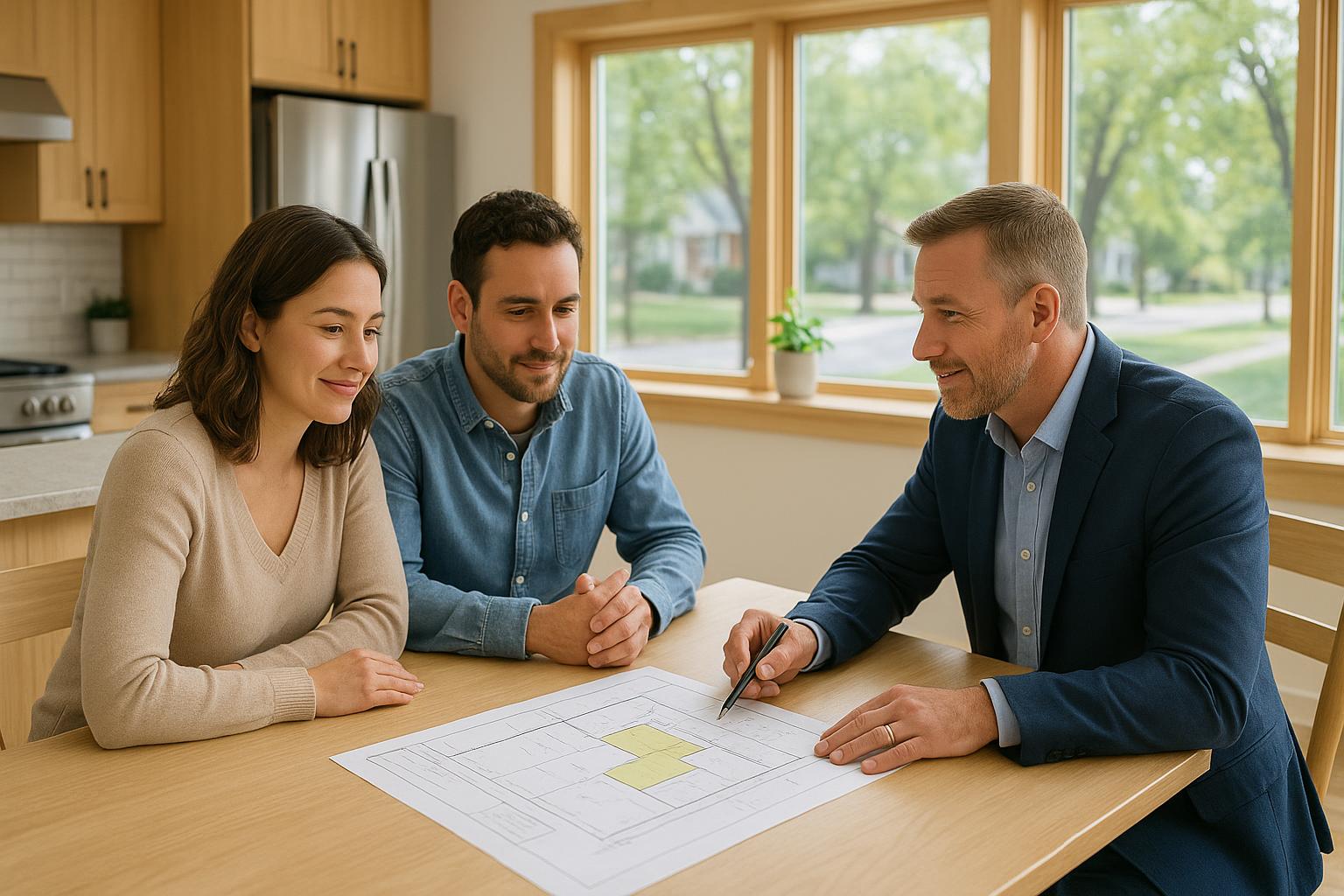
The best way to uncover easements is to review the property survey and the preliminary title commitment, both of which should be provided during your due diligence period. The survey visually shows where easements cross the land, while the title commitment lists legal descriptions and recorded easements. If you want extra peace of mind, you can check with the Kent County Register of Deeds or ask your title company to clarify any confusing language. This is especially important if you plan to add structures, fences, or landscaping after closing.
Rule of thumb: If an easement is recorded, it almost always runs with the land—meaning it stays in place for future owners. Always ask your agent or title company to point out every easement on record before you commit to buying.
Negotiating and Managing Easements During Your Offer
Once you know about an easement, you can factor it into your offer and negotiations. Sometimes, buyers request the seller resolve issues—like clarifying maintenance responsibilities or providing documentation on shared driveways—before closing. In rare cases, you might walk away if the easement is a dealbreaker (for example, a major sewer easement running through a buildable backyard).
Jason’s take: I’ve seen Grand Rapids buyers successfully negotiate seller credits for driveway repairs when an access easement meant shared costs. The key is to address the easement early, not after your offer is accepted.
Local Grand Rapids Insight: How Easements Impact Buyer Decisions
In popular Grand Rapids neighborhoods like Alger Heights, Heritage Hill, and Creston, older homes often have hidden easements—especially for utilities and alleys. Buyers in these areas are sometimes surprised by restrictions on fencing or garage placement. In newer suburbs like Ada or Byron Center, drainage easements along the back of lots are common, affecting plans for pools or patios. It’s not unusual for buyers to adjust their “wish list” after seeing a survey and realizing part of the yard is off-limits.
Real Buyer Case Study
Last year, I helped a first-time buyer couple purchase a home in the $300K range near Eastown. The property had a shared driveway and a utility easement running along the side lot. During the title review, we discovered the neighbor’s garage technically encroached on the easement area, raising questions about future repairs and access. We negotiated with the seller to provide written documentation on the shared driveway agreement and secured a small credit for potential repairs. The buyers closed with full awareness—and no surprises—about their property rights and limitations.
Grand Rapids Buyer Market Insight
Multiple-offer situations are common in many Grand Rapids neighborhoods. When buyers compete, some are tempted to waive due diligence or overlook easements to strengthen their offer. My advice: Don’t skip reviewing the survey and title work, even if you’re up against other offers. Losing out on a house is disappointing, but discovering a problematic easement after closing is much worse. Most sellers and listing agents in Grand Rapids expect buyers to ask about easements—and a well-prepared question can actually make your offer look smarter, not weaker.
Frequently Asked Questions About Buying in Grand Rapids
What is an easement, and why does it matter to buyers?
An easement is a legal right that allows someone else to use part of your property for a specific purpose, like utilities or shared access. It matters because it can limit how you use, build on, or enjoy your land—and it stays in place even after you buy the home.
How can I find out if a Grand Rapids home has an easement?
Review the property survey and title commitment during your due diligence period. You can also check with the Kent County Register of Deeds or ask your title company for details. Always review these documents before removing your inspection or financing contingencies.
Can easements affect my ability to build or improve my property?
Yes. You generally can’t build permanent structures or make significant changes within an easement area. For example, utility easements often prohibit fences, sheds, or pools in those zones. Violating easement restrictions can result in fines or forced removal.
Are all easements permanent?
Most easements “run with the land,” meaning they transfer to future owners and remain in place permanently. Some temporary easements exist, but they’re rare in residential sales. Always check the recorded documents for the easement’s duration and terms.
Related Grand Rapids Buyer Resources
- What Should I Know About Old Mechanical Systems in Grand Rapids Homes?
- What Should I Do If My Grand Rapids Home Has an Outstanding Lien When Selling?
- What Should I Know About Chimney Inspections When Buying in Grand Rapids?
About the Author
Jason Pohlonski
is a Michigan licensed real estate salesperson with Keller Williams Grand Rapids East. He helps buyers and sellers throughout Grand Rapids, East Grand Rapids, Forest Hills, Ada, Byron Center, Jenison, Cascade, and surrounding West Michigan communities.
Jason began his real estate career in Chicago in 2004, later expanding his experience in Ann Arbor from 2014 to 2019, and has been serving clients in the Grand Rapids area since 2019.
With over 20 years of combined real estate experience across multiple markets, Jason focuses on helping clients make clear real estate decisions involving pricing, offer terms, inspections, appraisals, relocation timing, and buy-sell planning.
Industry Recognition
Jason is recognized by platforms and industry organizations including Zillow, Grand Rapids Magazine Real Estate All-Stars, and Real Producers for his work serving West Michigan buyers and sellers.
Jason also supports One More Moment, a nonprofit that grants wishes to late-stage cancer patients, by donating $100 for every successful closing.
Professional Disclosure
Jason Pohlonski
Michigan Licensed Real Estate Salesperson
License Verification: Verify Michigan License #6501386166
Brokerage: Keller Williams Grand Rapids East
Brokerage Office: 1555 Arboretum Dr. SE, Grand Rapids, MI 49546
📱 Call or text: 616-916-9770
📅 Schedule consultation:
https://calendly.com/pohlonskirealestate/30min
📧 Email: jpohlonski@kw.com
This article reflects real client experiences and market conditions in Grand Rapids and surrounding communities at the time of publication. Real estate outcomes can vary depending on market conditions, property characteristics, buyer demand, financing terms, inspection results, appraisal results, and lender requirements.
This article is for general informational purposes only and is not legal, tax, financial, insurance, engineering, inspection, or floodplain determination advice. Buyers and sellers should consult qualified professionals before making decisions involving financing, insurance, inspections, taxes, legal issues, or property risk.