What should I know about old mechanical systems in Grand Rapids homes?
When you’re considering buying a home in Grand Rapids—especially one built before the 1980s—old mechanical systems like furnaces, boilers, plumbing, and electrical panels are almost always part of the equation. These systems can affect everything from your safety and comfort to insurance costs and resale value. Understanding what to look for and how to approach these older systems helps you make a confident, informed offer on a Grand Rapids home.
Quick Answer
Old mechanical systems in Grand Rapids homes—think furnaces, boilers, water heaters, electrical panels, and original plumbing—can mean higher maintenance costs, safety risks, and possible insurance hurdles. Most buyers will want to budget for repairs or updates, and it’s smart to have an inspection by a licensed pro who knows what to look for in our local housing stock.
These systems can affect your negotiating power and even your loan approval, especially if the home has outdated knob-and-tube wiring or ancient boilers. If you’re dealing with this situation, I’m happy to walk through it with you.
1. Understanding the Types of Old Mechanical Systems
In Grand Rapids, homes built before the 1980s often still have original or early-generation furnaces, boilers, water heaters, and plumbing. It’s common to see cast iron pipes, galvanized plumbing, knob-and-tube or fuse box electrical systems, and even gravity-fed hot water heating. These systems can be functional but are rarely as efficient or safe as modern versions.
Buyers should know that insurance companies may flag certain old systems—especially electrical panels like Federal Pacific or Zinsco, or homes with knob-and-tube wiring—which can limit your insurance options or increase your premiums. According to the Consumer Product Safety Commission, some of these old panels have known safety issues. Always plan for a thorough inspection, and if you’re unsure about what you’re seeing at a showing, ask your agent or inspector to point out the telltale signs.
2. Inspection Strategy and What to Prioritize
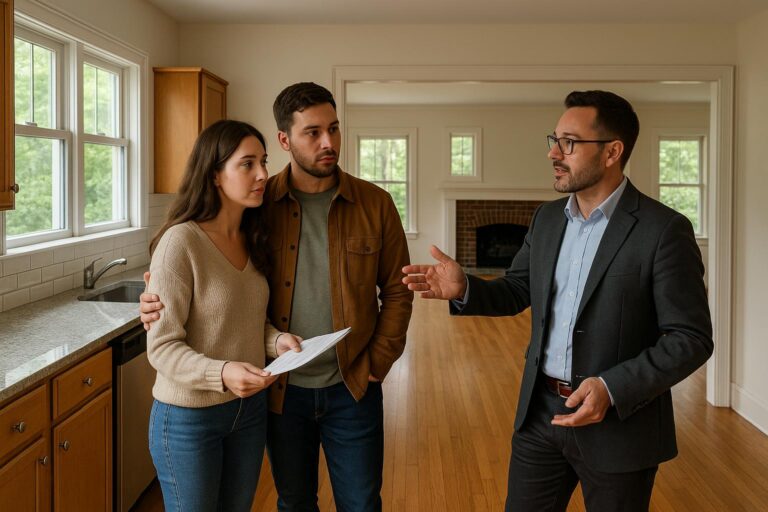
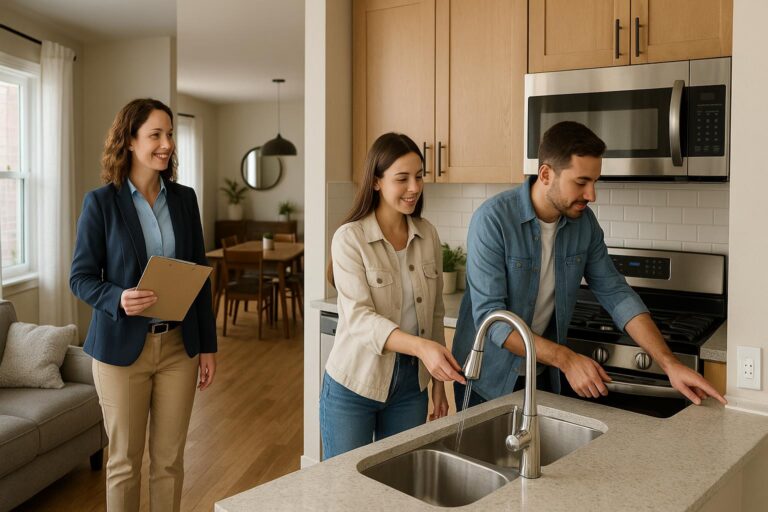
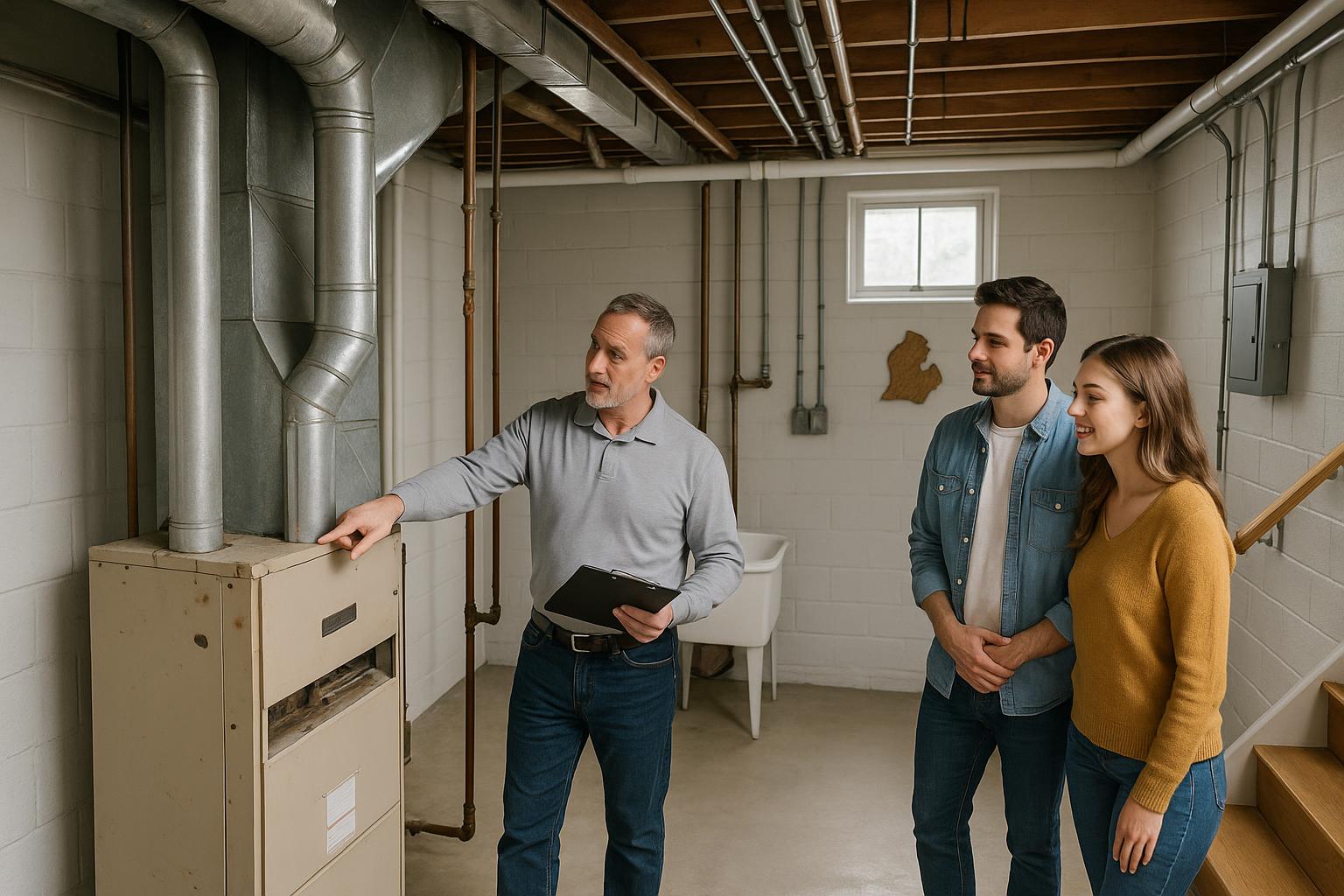
When you make an offer on a Grand Rapids home with older mechanicals, prioritize a comprehensive home inspection with extra attention to the age and function of major systems. A good inspector will check for leaks in old plumbing, test for proper function in heating systems, and open up electrical panels to look for outdated or unsafe wiring. They’ll often estimate the age of each system and flag anything near end-of-life.
Jason’s take: I always recommend that buyers ask for life expectancy estimates for each major system. In Grand Rapids, many 1950s–1970s homes have furnaces or water heaters 20+ years old, and replacement costs add up. It’s better to know the likely timeline and costs before you move in, rather than getting surprised after closing.
3. Budgeting for Repairs, Replacements, and Negotiation
Older mechanical systems almost always mean extra costs—sometimes immediate, sometimes down the road. A typical furnace replacement in Grand Rapids runs $3,500–$7,000, while electrical panel upgrades can cost $1,500–$3,000 or more. If the inspection turns up major issues, you’ll need to decide whether to negotiate repairs, ask for a credit, or walk away.
Here’s a simple decision framework: If a system is original and beyond its typical life span (for example, a 30-year-old furnace), assume you’ll need to budget for replacement within 1–3 years. Use the inspection report as leverage in your negotiations. FHA, VA, and many conventional lenders may require certain repairs before closing if the system is unsafe or nonfunctional—see HUD’s guidelines for details.
Jason’s take: In multiple-offer situations, some buyers will waive small repairs but rarely skip negotiating on major mechanicals. If the system is a big-ticket item, it’s reasonable to ask for a credit or price reduction, even in a hot market.
4. Insurance, Loan Approval, and Long-Term Ownership Risk
Old mechanical systems can affect your ability to get homeowners insurance or a mortgage. Some insurers in Michigan won’t cover homes with certain types of wiring or outdated heating systems until they’re upgraded, and your lender may require proof of repairs before you can close. This is especially common with knob-and-tube wiring, old fuse boxes, or heating systems that no longer meet code.
For long-term ownership, factor in not just the cost to replace these systems but also the inconvenience of emergency repairs. If you’re buying an older home, it’s wise to set aside a reserve fund—many experts recommend at least 1% of the home’s value annually for repairs, though older homes may need more. For more on prepping for pre-listing inspections in older homes, see this recent post.
Real Buyer Case Study
Last year, I worked with buyers on a $340K home in Alger Heights, built in 1948. The home had a 28-year-old boiler and galvanized plumbing. During the inspection, the boiler was functional but well past its expected life. We negotiated a $4,000 seller credit for future replacement. There were three competing offers, but by showing strong financing and clear inspection requests, my buyers’ offer was accepted. They used the credit to replace the boiler within six months of closing and have had no mechanical surprises since.
Grand Rapids Buyer Market Insight
In Grand Rapids, homes in popular neighborhoods like Eastown, Alger Heights, and Heritage Hill often attract multiple offers, even when the mechanical systems are older. Buyers who show a realistic understanding of mechanical risks—by getting specialized inspections or quoting repair costs upfront—tend to write stronger, more credible offers. In my experience, competitive buyers don’t skip the inspection; instead, they come prepared to address mechanical issues either through credits or immediate repairs. This practical approach makes their offers stand out to sellers without sacrificing their own protection.
Frequently Asked Questions About Buying in Grand Rapids
Are old furnaces or boilers a dealbreaker when buying in Grand Rapids?
Not necessarily. Many buyers purchase homes with older heating systems, but you should budget for replacement and factor the age into your offer and negotiations.
Will lenders or insurers require mechanical upgrades before closing?
Sometimes, yes—especially with outdated electrical systems or nonfunctional heating. Your lender or insurer will let you know if repairs are required before closing.
How much should I budget for replacing old mechanicals in Grand Rapids homes?
Plan for $3,500–$7,000 for a furnace, $1,500–$3,000 for an electrical panel, and $800–$2,000 for a water heater. Get quotes during your inspection window.
Can I get a home warranty to cover old mechanical systems?
Yes, home warranties are available and can help offset the risk of unexpected repairs, but read the fine print—some may exclude coverage for very old or pre-existing systems.
Related Grand Rapids Buyer Resources
- What should I do to prep for a pre-listing inspection on my older East Grand Rapids home?
- What happens if the appraisal on my Grand Rapids home comes in higher than expected?
- Should physicians buy a Grand Rapids home with acreage?
About the Author
Jason Pohlonski
is a Michigan licensed real estate salesperson with Keller Williams Grand Rapids East. He helps buyers and sellers throughout Grand Rapids, East Grand Rapids, Forest Hills, Ada, Byron Center, Jenison, Cascade, and surrounding West Michigan communities.
Jason began his real estate career in Chicago in 2004, later expanding his experience in Ann Arbor from 2014 to 2019, and has been serving clients in the Grand Rapids area since 2019.
With over 20 years of combined real estate experience across multiple markets, Jason focuses on helping clients make clear real estate decisions involving pricing, offer terms, inspections, appraisals, relocation timing, and buy-sell planning.
Industry Recognition
Jason is recognized by platforms and industry organizations including Zillow, Grand Rapids Magazine Real Estate All-Stars, and Real Producers for his work serving West Michigan buyers and sellers.
Jason also supports One More Moment, a nonprofit that grants wishes to late-stage cancer patients, by donating $100 for every successful closing.
Professional Disclosure
Jason Pohlonski
Michigan Licensed Real Estate Salesperson
License Verification: Verify Michigan License #6501386166
Brokerage: Keller Williams Grand Rapids East
Brokerage Office: 1555 Arboretum Dr. SE, Grand Rapids, MI 49546
📱 Call or text: 616-916-9770
📅 Schedule consultation:
https://calendly.com/pohlonskirealestate/30min
📧 Email: jpohlonski@kw.com
This article reflects real client experiences and market conditions in Grand Rapids and surrounding communities at the time of publication. Real estate outcomes can vary depending on market conditions, property characteristics, buyer demand, financing terms, inspection results, appraisal results, and lender requirements.
This article is for general informational purposes only and is not legal, tax, financial, insurance, engineering, inspection, or floodplain determination advice.