What should I know about contract contingencies in Grand Rapids?
When you’re buying a home in Grand Rapids, contract contingencies are the built-in “escape hatches” in your purchase agreement. They protect your earnest money and give you ways to back out or renegotiate if something unexpected comes up—like a problem on the inspection or an issue with your loan. But in our local market, how you use contingencies can make or break your offer.
Quick Answer
In Grand Rapids, contract contingencies let you cancel or renegotiate a home purchase if certain conditions aren’t met—most commonly for inspection, appraisal, and financing. They protect your deposit and help you manage risk, but sellers here pay close attention to how many contingencies you include and how strict they are.
The right contingency strategy depends on your comfort level, the property, and how competitive the listing is. Local buyers often adjust contingency terms to stay competitive without giving up too much protection. If you’re dealing with this situation, I’m happy to walk through it with you.
Understanding the Main Contingencies in Grand Rapids
The most common contingencies in Grand Rapids are:
- Inspection Contingency: Lets you back out or renegotiate if the inspection uncovers issues.
- Appraisal Contingency: Protects you if the home appraises for less than your offer price.
- Financing (Mortgage) Contingency: Lets you cancel if your loan falls through despite your good faith effort.
Other contingencies, like sale-of-home or title contingencies, are less common but sometimes used. Local purchase agreements are pretty standard, but your agent can help customize contingency language to fit your situation. The more “clean” (fewer contingencies) your offer is, the more attractive it looks to sellers—especially when there are multiple offers.
Strategy 1: Balancing Offer Strength and Buyer Protection
Most Grand Rapids buyers want the best of both worlds: strong protection and a winning offer. But including too many contingencies—or asking for long contingency periods—can make your offer less competitive. Sellers might pass over your offer for one with fewer hurdles, especially in popular neighborhoods or in the $250,000 to $400,000 price range where bidding wars are common.
Jason’s take: If you’re serious about a home, don’t overload your offer with “just in case” contingencies. Focus on the protections that truly matter to you and keep timelines tight. This signals to the seller that you’re committed, but not reckless.
Strategy 2: Inspection Contingency—How Much Risk Should You Take?
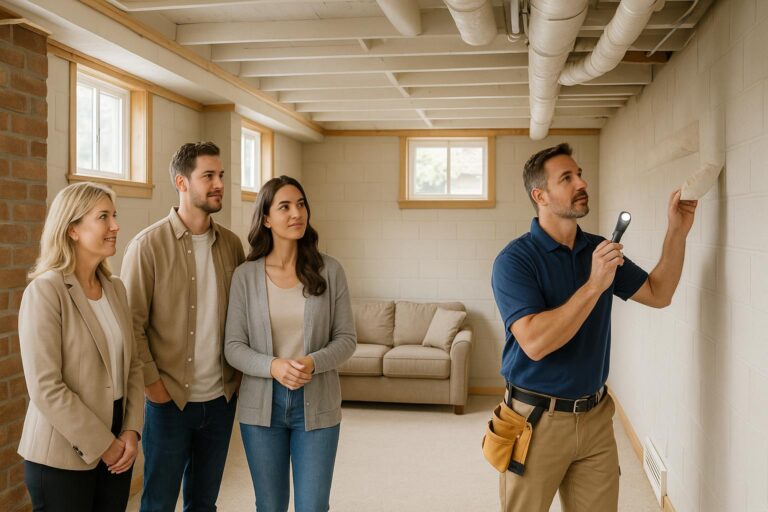
The inspection contingency is your chance to fully check out the property and negotiate repairs or price changes. In Grand Rapids, the standard inspection window is about 7-10 days, but in multiple-offer scenarios, buyers sometimes shorten this to 5 days or waive minor repairs to stand out.
Rule of thumb: Only waive inspection if you’re truly comfortable with the property’s visible condition, have access to prior inspection reports, or you’re an experienced renovator. Otherwise, use the contingency but keep the timeframe short—ideally under a week if possible.
Jason’s take: In the past year, I’ve seen buyers win in East Grand Rapids and Alger Heights by offering a 5-day inspection window and limiting requests to major defects only. It helps if you’re prepped to get your inspector in quickly.
Strategy 3: Navigating Appraisal and Financing Risks
With rising prices, appraisal gaps are a real concern in Grand Rapids. If your offer is above list price, there’s a chance the appraisal comes in low. An appraisal contingency lets you renegotiate or walk away, but sellers prefer buyers who have a plan if the appraisal falls short—like covering a gap out-of-pocket or splitting the difference.
Financing contingencies are standard unless you’re paying cash. Lenders like Fannie Mae and Freddie Mac set minimum requirements, and your preapproval should match your offer terms. If you’re highly qualified, consider tightening the financing contingency period to 21 days or less.
Jason’s take: When buyers in Grand Rapids commit to covering a small appraisal gap and show strong financing, they often beat similar offers that are more “contingency heavy.” It’s all about showing the seller you’re prepared and flexible.
Strategy 4: Using Contingencies to Address Unique Property Issues
Sometimes, contingencies are your best defense against property-specific risks—like shared driveways, open permits, or past liens. For example, if you’re buying an older home in Heritage Hill or Eastown, you might add a contingency for reviewing city permits or title records. You can read more about handling open permits in my post: What Happens If a Grand Rapids Home Has an Open Permit?.
Decision framework: If you see red flags in the listing or disclosures, ask your agent if a custom contingency makes sense. But avoid piling on generic contingencies for every minor concern—it could weaken your offer unnecessarily. Focus on the few that address your biggest risks.
Real Buyer Case Study: Winning with Smart Contingencies
Last summer, I worked with first-time buyers in the $325,000 range looking in Wyoming and Alger Heights. The home they loved had four competing offers. We kept the inspection window at 6 days, limited requests to health and safety items, and included a $5,000 appraisal gap guarantee. They were preapproved with a local lender and tightened the financing contingency to 20 days. The seller picked their offer over a slightly higher one because our terms felt solid, decisive, and low risk. The inspection uncovered a minor plumbing issue, which the seller fixed, and the deal closed on time with no surprises.
Grand Rapids Buyer Market Insight
In the $250,000–$400,000 range, Grand Rapids buyers are often up against 3–7 other offers. Homes in Forest Hills, Kenowa Hills, and East Grand Rapids can sell in under a week. In these cases, buyers who work with their agent to tighten contingency timelines and clarify what they’ll ask for on inspection usually have an edge. If you’re flexible and proactive, you can keep your protection without scaring off the seller.
Frequently Asked Questions About Buying in Grand Rapids
What happens if I remove all contingencies from my offer?
If you waive all contingencies, you have little to no way to back out without losing your earnest money. This strategy is high risk and only recommended for buyers who are extremely confident in their finances and the property’s condition.
Can I add custom contingencies for unique property issues?
Yes, you can. For example, if a property has a shared driveway or possible title issues, you can add specific contingencies to protect yourself. Read more about this in my post on handling shared driveways in Grand Rapids.
How quickly do I need to complete inspections and paperwork?
Most Grand Rapids offers use a 5–10 day inspection window and 14–21 days for financing approval. Shorter periods can make your offer more attractive but require fast action.
Does my earnest money go back to me if I cancel with a valid contingency?
Yes. If you cancel for a reason covered by a valid contingency (like inspection or appraisal), your earnest money is usually refunded in Grand Rapids.
Related Grand Rapids Buyer Resources
- What Happens If My Grand Rapids Home Has a Lien?
- How Do I Handle a Shared Driveway in Grand Rapids?
- What Happens If a Grand Rapids Home Has an Open Permit?
About the Author
Jason Pohlonski
is a Michigan licensed real estate salesperson with Keller Williams Grand Rapids East. He helps buyers and sellers throughout Grand Rapids, East Grand Rapids, Forest Hills, Ada, Byron Center, Jenison, Cascade, and surrounding West Michigan communities.
Jason began his real estate career in Chicago in 2004, later expanding his experience in Ann Arbor from 2014 to 2019, and has been serving clients in the Grand Rapids area since 2019.
With over 20 years of combined real estate experience across multiple markets, Jason focuses on helping clients make clear real estate decisions involving pricing, offer terms, inspections, appraisals, relocation timing, and buy-sell planning.
Industry Recognition
Jason is recognized by platforms and industry organizations including Zillow, Grand Rapids Magazine Real Estate All-Stars, and Real Producers for his work serving West Michigan buyers and sellers.
Jason also supports One More Moment, a nonprofit that grants wishes to late-stage cancer patients, by donating $100 for every successful closing.
Professional Disclosure
Jason Pohlonski
Michigan Licensed Real Estate Salesperson
License Verification: Verify Michigan License #6501386166
Brokerage: Keller Williams Grand Rapids East
Brokerage Office: 1555 Arboretum Dr. SE, Grand Rapids, MI 49546
📱 Call or text: 616-916-9770
📅 Schedule consultation:
https://calendly.com/pohlonskirealestate/30min
📧 Email: jpohlonski@kw.com
This article reflects real client experiences and market conditions in Grand Rapids and surrounding communities at the time of publication. Real estate outcomes can vary depending on market conditions, property characteristics, buyer demand, financing terms, inspection results, appraisal results, and lender requirements.
This article is for general