What Should I Know About Asbestos in Older Grand Rapids Homes?
If you’re considering buying an older home in Grand Rapids, asbestos is something you need to know about up front. Asbestos was commonly used in building materials until the late 1970s, and many homes built before 1980 in West Michigan—including Grand Rapids neighborhoods like Eastown, Alger Heights, and Heritage Hill—may have asbestos in insulation, floor tiles, or siding. Understanding the risks and how to handle asbestos during your home purchase can help you avoid surprises, negotiate repairs, and make a safe decision for your family.
Quick Answer
Asbestos is still present in many older Grand Rapids homes, especially those built before 1980. In most cases, asbestos-containing materials aren’t hazardous unless they’re disturbed or damaged, but buyers should be aware that removal or remediation can be costly and may impact your negotiation strategy or financing options.
Before you make an offer, it’s smart to budget for a thorough inspection and know how to approach asbestos issues in your purchase agreement. If you’re dealing with this situation, I’m happy to walk through it with you.
1. Where Asbestos Is Most Common in Grand Rapids Homes
In Grand Rapids, homes built before the 1980s may contain asbestos in several places: pipe insulation (especially in basements), floor tiles (often 9”x9” or 12”x12” tiles from mid-century homes), some types of ceiling tiles, old heating duct tape, textured “popcorn” ceilings, and certain exterior sidings. These materials were widely used for fire resistance and insulation, and it’s not uncommon to encounter them in classic neighborhoods like Ottawa Hills or Riverside Gardens.
If you’re eyeing a mid-century or pre-war home, ask your agent and inspector about these common asbestos locations. Jason’s take: I’ve seen more buyers surprised by asbestos floor tiles in basements than anywhere else—many don’t realize what they’re looking at until an inspector points it out.
2. Inspection and Testing: What Buyers Can Expect
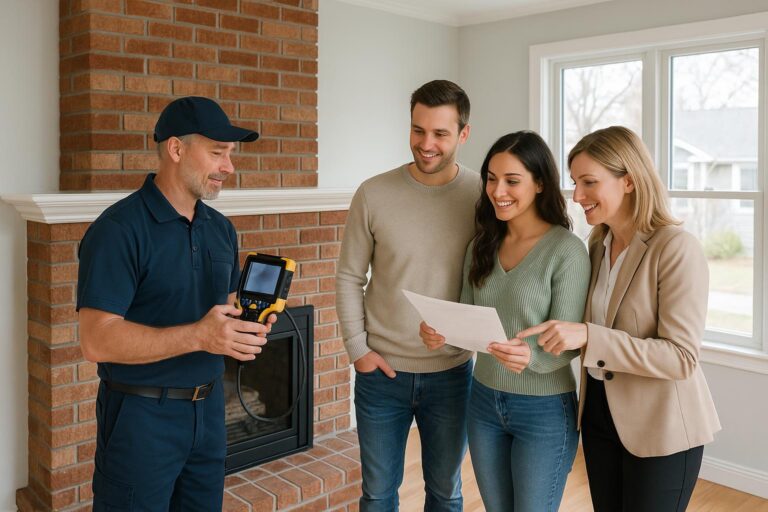
Standard home inspections in Grand Rapids do not include asbestos testing. However, most inspectors will flag materials that look suspicious and recommend further evaluation by a certified asbestos professional. If you want confirmation, you’ll need to hire a licensed asbestos inspector who can take samples and send them to a lab. This process usually costs a few hundred dollars but can provide peace of mind and help with negotiations.
Michigan doesn’t require sellers to test for or remove asbestos, but if you discover friable (easily crumbled) asbestos during your inspection period, you may have grounds to request remediation or a price reduction. For more information on asbestos safety, see the EPA’s asbestos guidance and the State of Michigan asbestos information page.
3. How Asbestos Affects Your Offer and Negotiation Strategy
Finding asbestos during inspections doesn’t automatically kill a deal, but it does change the conversation. In Grand Rapids, buyers typically negotiate based on the type, location, and condition of the asbestos. If it’s encapsulated and undisturbed (like pipe wrap behind walls), many buyers choose to leave it alone and monitor it. If it’s friable or in a high-traffic area, remediation may be needed.
Here’s a rule of thumb: If the asbestos is in good condition and not likely to be disturbed, many lenders and buyers proceed as-is with disclosure. If removal is necessary, get a written quote from a licensed abatement contractor before negotiating with the seller. Jason’s take: In my experience, sellers are more willing to negotiate on price than to handle asbestos removal themselves, especially in competitive price ranges.
4. Financing and Insurance Considerations for Asbestos
Most conventional lenders in Grand Rapids don’t require asbestos testing unless there’s visible damage or evidence of contamination, but certain loan types (like FHA or VA) may have stricter requirements if the appraiser or inspector notes a safety hazard. Homeowners insurance typically covers asbestos-related claims only if the material is damaged by a covered peril (like fire or storm), not for general remediation.
Make sure your lender is aware of any known asbestos before closing, and be prepared for additional documentation if you’re using a government-backed loan. For more on how property risks can affect your transaction, check out my article on what happens if a Grand Rapids home has a lien.
Real Buyer Case Study
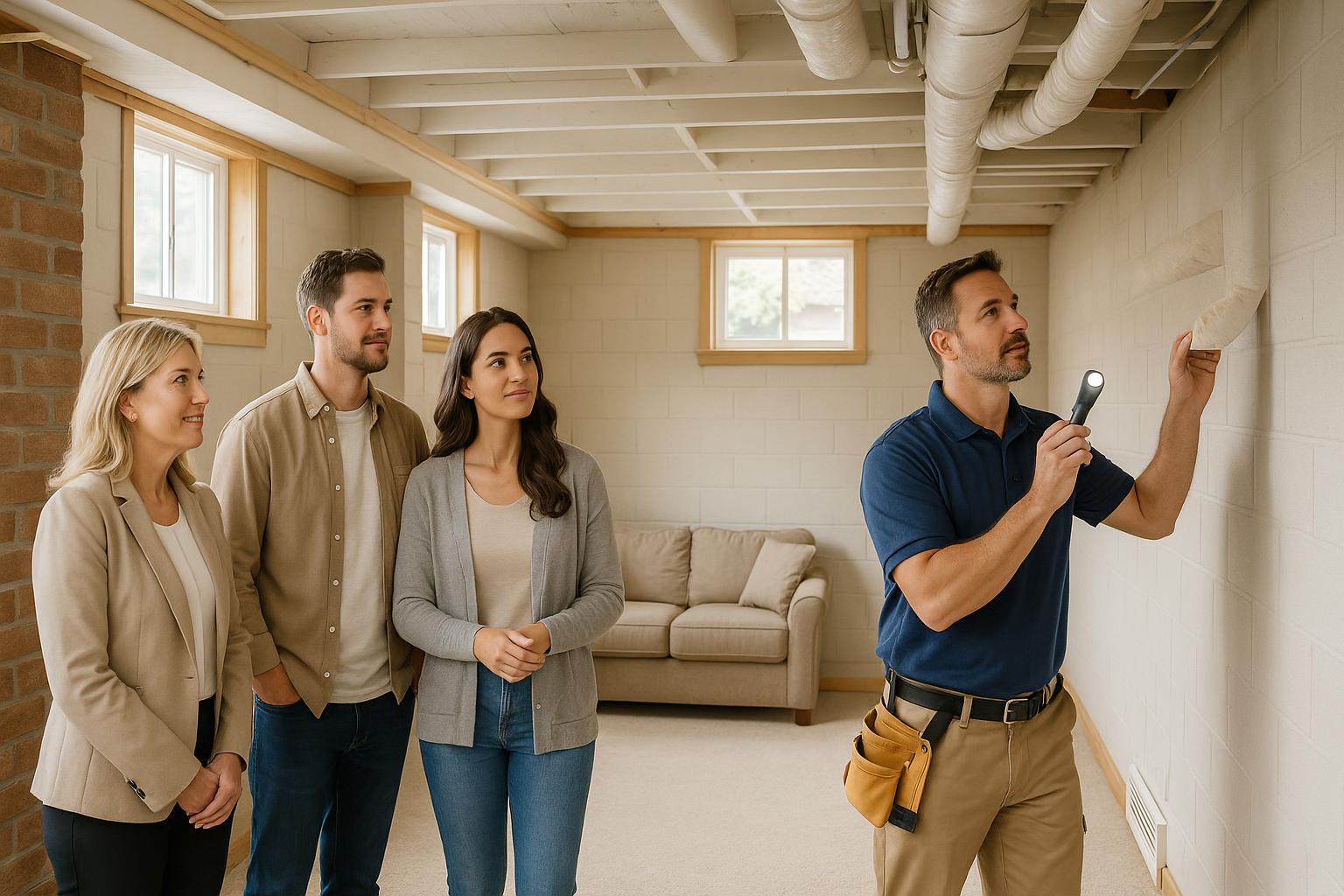
Last year, I helped a first-time buyer purchase a $260,000 home in the Creston neighborhood. During inspections, the inspector identified what looked like asbestos pipe wrap in the basement. We brought in a licensed asbestos contractor for testing, which confirmed asbestos was present. The estimated removal cost was $3,200. My buyer used this information to negotiate a $3,000 price reduction from the seller. The deal stayed on track, and the buyer later had the material professionally removed after closing. This approach kept the transaction moving and gave the buyer control over the process.
Grand Rapids Buyer Market Insight
In the $200,000 to $400,000 price range, Grand Rapids buyers are often competing with multiple offers, so it’s common for buyers to accept older homes “as-is,” including known asbestos. However, buyers with strong financing and clear inspection contingencies are still able to negotiate repairs or credits when asbestos is discovered—especially if the material is friable or in a living area. In more competitive neighborhoods, buyers may choose to monitor encapsulated asbestos rather than risk losing the home over a repair request.
Frequently Asked Questions About Buying in Grand Rapids
How can I tell if a material contains asbestos?
There’s no way to confirm asbestos visually. If your inspector suspects asbestos, a licensed professional can take a sample for lab testing to be sure.
Does the seller have to remove asbestos before closing?
No, Michigan law doesn’t require sellers to remove asbestos. However, buyers can negotiate for removal or a price reduction if asbestos is discovered during inspections.
Will finding asbestos affect my mortgage approval?
Usually not, unless the asbestos is friable or poses a clear safety hazard. Some lenders (especially FHA/VA) may require remediation if there’s a risk of exposure.
How much does asbestos removal typically cost in Grand Rapids?
Costs vary widely, but removal of a small area (like basement pipe wrap) might range from $1,500 to $5,000. Get quotes from licensed contractors before negotiating.
Related Grand Rapids Buyer Resources
- What Should I Know About Contract Contingencies in Grand Rapids?
- What to Expect if a Buyer Requests Repairs in a Forest Hills Sale
- What Happens if My Grand Rapids Home Has a Lien on It?
About the Author
Jason Pohlonski
is a Michigan licensed real estate salesperson with Keller Williams Grand Rapids East. He helps buyers and sellers throughout Grand Rapids, East Grand Rapids, Forest Hills, Ada, Byron Center, Jenison, Cascade, and surrounding West Michigan communities.
Jason began his real estate career in Chicago in 2004, later expanding his experience in Ann Arbor from 2014 to 2019, and has been serving clients in the Grand Rapids area since 2019.
With over 20 years of combined real estate experience across multiple markets, Jason focuses on helping clients make clear real estate decisions involving pricing, offer terms, inspections, appraisals, relocation timing, and buy-sell planning.
Industry Recognition
Jason is recognized by platforms and industry organizations including Zillow, Grand Rapids Magazine Real Estate All-Stars, and Real Producers for his work serving West Michigan buyers and sellers.
Jason also supports One More Moment, a nonprofit that grants wishes to late-stage cancer patients, by donating $100 for every successful closing.
Professional Disclosure
Jason Pohlonski
Michigan Licensed Real Estate Salesperson
License Verification: Verify Michigan License #6501386166
Brokerage: Keller Williams Grand Rapids East
Brokerage Office: 1555 Arboretum Dr. SE, Grand Rapids, MI 49546
📱 Call or text: 616-916-9770
📅 Schedule consultation:
https://calendly.com/pohlonskirealestate/30min
📧 Email: jpohlonski@kw.com
This article reflects real client experiences and market conditions in Grand Rapids and surrounding communities at the time of publication. Real estate outcomes can vary depending on market conditions, property characteristics, buyer demand, financing terms, inspection results, appraisal results, and lender requirements.
This article is for general informational purposes only and is not legal, tax, financial, insurance, engineering, inspection, or floodplain determination advice. Buyers and sellers should consult qualified professionals before making decisions involving financing, insurance, inspections, taxes, legal issues, or property risk.