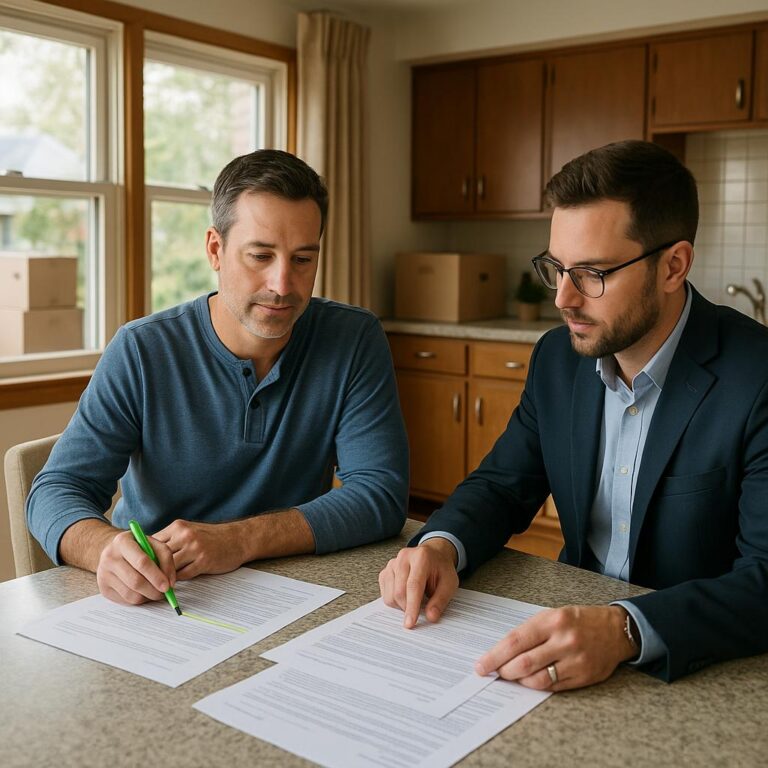
What should I expect with buyer financing when selling my Grand Rapids home?
Selling your Grand Rapids home brings plenty of moving parts, but one detail that can catch even experienced sellers off guard is how buyer financing shapes the whole process. The type and strength of a buyer’s loan, their approval status, and the lender’s requirements all impact your risk, your timeline, and even your final net proceeds. If your sale falls apart because of a financing snag, it’s not just disappointing—it can throw off your move, your plans, and your finances.
That’s why understanding what to expect with buyer financing isn’t just “extra credit”—it’s a key factor in getting your home sold with confidence and as few surprises as possible.
Quick Answer
When selling your Grand Rapids home, expect buyer financing to influence nearly every step: from how strong your offer is, to the likelihood of delays or failed closings, to what repairs and concessions you might be asked for. Buyers using loans must satisfy their lender’s requirements, and sometimes even well-qualified buyers hit unexpected snags with underwriting, appraisals, or documentation.
As a seller, you should focus on the type of loan your buyer is using, the documentation they provide with their offer, and the overall reliability of both the buyer and their lender. If you’re dealing with this, I’m happy to walk through it with you.
1. Evaluating the Strength of Buyer Financing
When offers come in, the first thing to check is what kind of financing the buyer is using: conventional, FHA, VA, or another loan program. Each has different requirements and risks for you as the seller. For example, FHA and VA loans may require repairs after an appraisal, while conventional loans are usually less strict. Look for a strong pre-approval letter—not just a pre-qualification—and ask your agent to verify that the lender is reputable and local if possible.
Jason’s take: I always contact the lender directly before my sellers accept an offer. A quick phone call can reveal a lot about how prepared the buyer is and how likely their financing is to close on time. If the lender is vague or slow to respond, that’s a red flag for the seller.
For more on what lenders look for in the approval process, check out the Consumer Financial Protection Bureau’s guide to pre-approval.
2. Navigating the Appraisal Process
Once under contract, most loans require an appraisal. If the appraisal comes in low, the buyer’s lender may not approve the full purchase price, putting your sale at risk. Some loan types (like FHA and VA) have stricter appraisal standards that can trigger required repairs or even kill the deal if issues aren’t fixed. As a seller, you need to be ready to respond quickly if an appraisal issue pops up.
Jason’s take: In Grand Rapids, I’ve seen appraisals come in right at contract price—sometimes lower. If you’re aware of recent comparable sales, you can often head off surprises by pricing realistically and providing the appraiser with a list of upgrades and local comps.
Learn more about appraisal requirements from the Fannie Mae appraisal resources.
3. Negotiating Offer Terms and Contingencies
Buyer financing almost always comes with contingencies: mortgage approval, appraisal, and sometimes sale of the buyer’s current home. These are all points where your deal could fall through. When reviewing offers, weigh the length and type of contingencies. A cash offer or one with fewer contingencies is typically less risky, but a well-qualified financed offer can be just as strong if the documentation is solid.
If your listing isn’t generating much activity, you may need to be more flexible on financing types. However, if you’re getting multiple offers, don’t be afraid to counter for stronger terms or a shorter contingency period.
4. Preparing for Closing Delays or Surprises
Even with strong financing, surprises can happen before closing. Lenders sometimes request last-minute documents, re-verify employment, or find credit issues that delay funding. As a seller, keep your communication lines open with your agent and be ready to adjust your timeline or possession date if needed. Delays don’t always mean disaster, but you need a plan.
Jason’s take: I always advise my Grand Rapids sellers not to schedule movers or make non-refundable plans until the lender’s “clear to close” is in hand. It’s not pessimism—it’s just good risk management.
If the market isn’t responding or you’re seeing buyers with weaker financing, this is where sellers need to weigh the cost of waiting for a stronger offer versus accepting more risk.
Real Seller Case Study
Last summer, I worked with a Grand Rapids homeowner whose listing attracted two offers: one with cash and one with FHA financing. The FHA offer was higher, but the buyer’s pre-approval was from a large, out-of-state lender. After calling both lenders, it was clear the local cash buyer could close in under two weeks, while the FHA buyer’s process would take at least five weeks with more risk of appraisal issues. The seller decided to counter both, prioritizing a clean close over top dollar. The cash buyer accepted, and the seller avoided the risk of last-minute financing fallout. The move-out went smoothly, and the seller’s new purchase closed on time.
Grand Rapids Market Insight
In Grand Rapids, sellers often see a mix of loan types in their offers, with conventional and FHA dominating the landscape. Homes priced competitively and in good condition tend to attract buyers with stronger financing, while homes sitting longer may need to accommodate more risk or extended timelines. Local lenders with strong reputations tend to make the process smoother for sellers, as communication and accountability are much easier than with large, out-of-area banks.
Frequently Asked Questions About Selling in Grand Rapids
- What’s the biggest risk with buyer financing as a seller?
Financing can fall through late in the process due to appraisal issues, credit changes, or lender requirements. This can mean starting over if you’re not protected by strong contingencies and backup plans. - Should I accept FHA or VA loans as a Grand Rapids seller?
It depends on your property’s condition, timeline, and your appetite for risk. FHA and VA loans often require repairs, but sometimes they bring the strongest offers. - How do I know if a buyer’s financing is solid?
Look for a detailed pre-approval from a reputable, preferably local, lender. Have your agent call the lender to verify the buyer’s status and ask about underwriting progress. - What happens if the buyer’s loan doesn’t close on time?
Delays can affect your plans, but you have options. Work with your agent to enforce the contract, request extensions, or consider backup offers if available.
Related Resources
- What Happens If My Grand Rapids Home Appraises Low?
- Can I Sell My Grand Rapids Home As-Is?
- Should I Fix Things Before Selling in Grand Rapids?
About the Author
Jason Pohlonski
is a Michigan licensed real estate salesperson with Keller Williams Grand Rapids East. He helps buyers and sellers throughout Grand Rapids, East Grand Rapids, Forest Hills, Ada, Byron Center, Jenison, Cascade, and surrounding West Michigan communities.
Jason began his real estate career in Chicago in 2004, later expanding his experience in Ann Arbor from 2014 to 2019, and has been serving clients in the Grand Rapids area since 2019.
With over 20 years of combined real estate experience across multiple markets, Jason focuses on helping clients make clear real estate decisions involving pricing, offer terms, inspections, appraisals, relocation timing, and buy-sell planning.
Industry Recognition
Jason is recognized by platforms and industry organizations including Zillow, Grand Rapids Magazine Real Estate All-Stars, and Real Producers for his work serving West Michigan buyers and sellers.
Jason also supports One More Moment, a nonprofit that grants wishes to late-stage cancer patients, by donating $100 for every successful closing.
Professional Disclosure
Jason Pohlonski
Michigan Licensed Real Estate Salesperson
License Verification: Verify Michigan License #6501386166
Brokerage: Keller Williams Grand Rapids East
Brokerage Office: 1555 Arboretum Dr. SE, Grand Rapids, MI 49546
📱 Call or text: 616-916-9770
📅 Schedule consultation:
https://calendly.com/pohlonskirealestate/30min
📧 Email: jpohlonski@kw.com
This article reflects real client experiences and market conditions in Grand Rapids and surrounding communities at the time of publication. Real estate outcomes can vary depending on market conditions, property characteristics, buyer demand, financing terms, inspection results, appraisal results, and lender requirements.
This article is for general informational purposes only and is not legal, tax, financial, insurance, engineering, inspection, or floodplain determination advice. Buyers and sellers should consult qualified professionals before making decisions involving financing, insurance, inspections, taxes, legal issues, or property risk.