What Should Grand Rapids Buyers Know About Foundation Issues?
If you’re thinking about buying a home in Grand Rapids, you might be wondering how big of a deal foundation issues really are. It’s a common concern—especially with older homes or houses that have been sitting for a while. Let’s get into what you need to know, what to look for, and how to make a smart decision if foundation questions come up during your home search.
Quick Answer
Foundation issues can range from small cosmetic cracks to more serious structural concerns. In Grand Rapids, it’s important to pay close attention during the inspection, ask questions, and get expert opinions if anything seems off.
If an inspection finds a foundation problem, your options depend on the severity, your loan type, and how the seller responds. Sometimes it’s a fixable issue, sometimes it’s a dealbreaker. If you’re dealing with this situation, I’m happy to walk through it with you.
How to Spot Possible Foundation Issues Before You Write an Offer
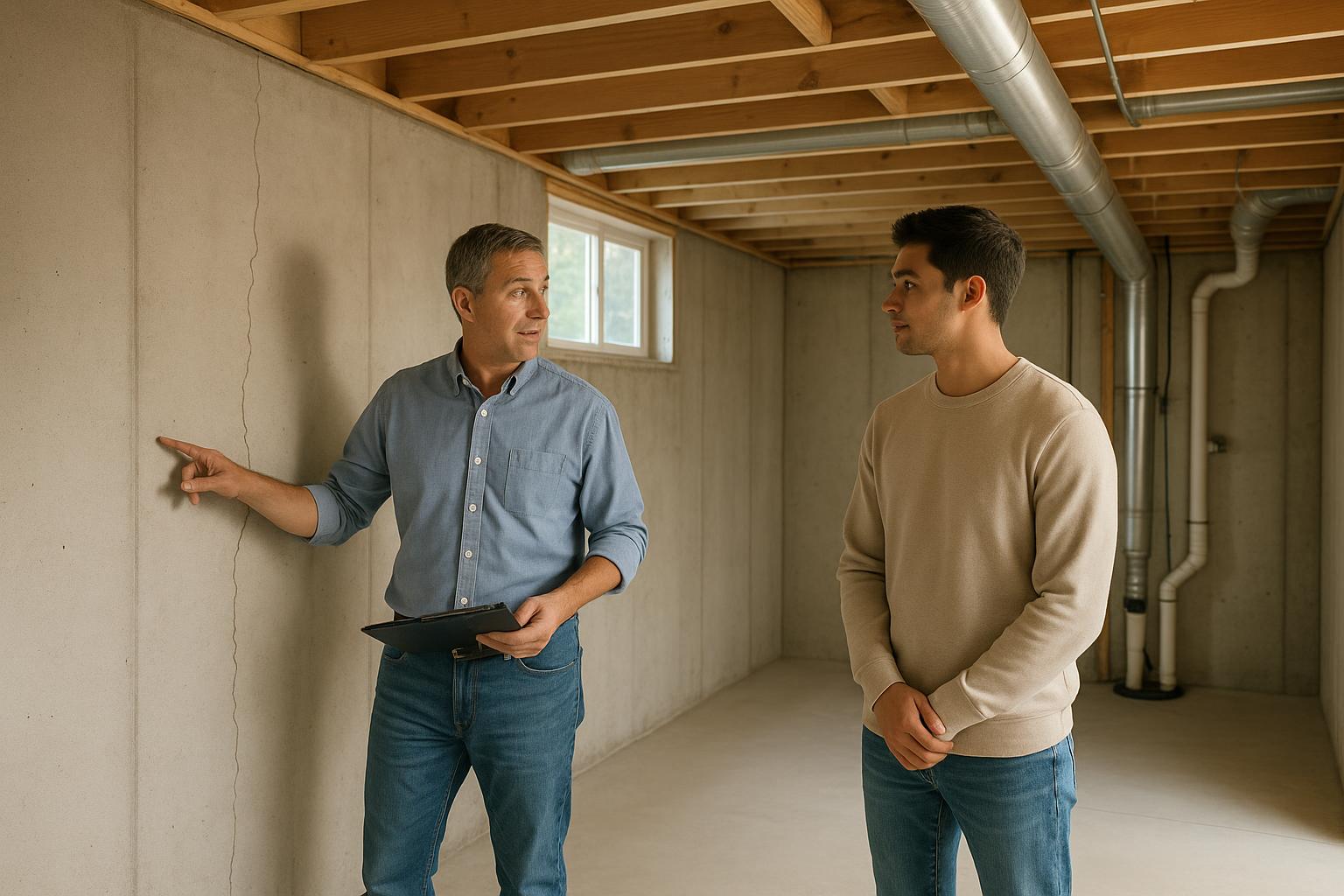
When you’re touring homes in Grand Rapids, keep an eye out for things that might signal a foundation problem. Look for cracks in basement walls or floors, doors or windows that don’t open smoothly, or sloping floors. Outside, check for gaps around the foundation or visible settling.
While a few minor cracks are pretty common—especially in older West Michigan homes—it’s worth noting if you see anything that looks wide, jagged, or has signs of water coming through. Make a mental note or snap a photo so you can ask the inspector about it later. Remember, you’re not expected to diagnose these issues yourself, but being observant helps you ask better questions.
What an Inspection Covers and When to Call in a Specialist
Once you’re under contract, a licensed home inspector will do a much deeper dive into the foundation. They’ll check for cracks, bowing walls, water intrusion, and signs of past repairs. If they find something questionable, they may recommend bringing in a structural engineer or foundation contractor for a closer look.
If the inspector spots moisture or mold, you might also want to check out resources like the EPA’s guide to mold and moisture. Foundation problems can go hand-in-hand with water issues, so don’t ignore musty smells or visible damp spots.
Want to Talk Through Your Situation?
If you have questions about a foundation issue, or just want a second set of eyes on what you’re seeing in a Grand Rapids home, I’m here to help you weigh your options.
Schedule a Buyer Consultation or call/text 616-916-9770.
What Are Your Options If an Inspection Finds a Foundation Problem?
If your inspection report flags a foundation concern, don’t panic. Your options can include requesting repairs, asking for a credit, arranging for a follow-up inspection, or deciding whether you’re comfortable moving forward. The right choice depends on the severity, what your lender will allow, and how the seller responds to your requests.
Some loan types have stricter requirements around structural soundness, so it’s smart to check with your lender before making any big decisions. You can also review the CFPB’s home inspection tips for more on what to expect. If repairs are needed, get written estimates from qualified local contractors so you know what you’re dealing with.
Jason’s take: In my experience, a foundation issue isn’t always a dealbreaker—but it does mean you need clear information and realistic expectations before moving forward.
How to Decide Whether to Move Forward or Walk Away
Here’s a simple rule of thumb: if you’re not comfortable with the answers you’re getting about a foundation concern, it’s okay to hit pause. Review the inspection findings, the repair estimates, and your lender’s requirements. Weigh them against your comfort level, your budget, and your plans for the house.
If the seller is willing to address the issue or provide a credit, that can tip the balance. If the problem is bigger than you’re ready to handle, it’s completely reasonable to walk away and keep looking. There’s no “one size fits all” answer—just make sure you’re making a decision you feel good about.
Grand Rapids Buyer Example
For example, imagine a Grand Rapids buyer who finds a home they love, but the inspection reveals a horizontal crack in the basement wall. The inspector recommends a structural engineer’s opinion. The buyer gets a specialist’s report and a repair estimate from a local contractor. After reviewing the information and discussing options with their lender and agent, the buyer decides whether to request a repair, negotiate for a credit, or move on to another property. This kind of process helps buyers make informed, low-stress decisions—without feeling pressured into a risky situation.
How Foundation Issues Can Affect Grand Rapids Buyers
In Grand Rapids, the age and style of homes can vary quite a bit, so foundation questions come up in all sorts of neighborhoods. Weather plays a part—thaw cycles and heavy rain can reveal hidden issues, so what you see during a spring inspection might look different than in late fall or winter.
Buyers may want to consider how foundation repairs could affect resale, insurance, or financing. Sometimes a repaired foundation is no big deal—other times, it could raise questions with future buyers or lenders. If you’re considering a home with a foundation repair history, ask for documentation and make sure you’re comfortable with the work that was done.
Frequently Asked Questions About Buying in Grand Rapids
Are all foundation cracks a serious problem?
No, not all cracks are a big deal. Small, hairline cracks can be common in many Grand Rapids homes. Wider, stair-step, or horizontal cracks are more concerning and should be checked by a professional.
Can foundation issues affect my mortgage approval?
Yes, some lenders have stricter requirements when it comes to structural soundness. If there’s a significant problem, your lender may require repairs before closing or may not approve the loan.
Should I walk away from a house with foundation problems?
It depends on the severity and your own comfort level. Sometimes repairs are straightforward and can be negotiated; other times, it may make sense to keep looking for a different property.
Will a home inspector always catch every foundation issue?
A home inspector can spot signs of trouble, but some issues may require a structural engineer or foundation specialist for a full assessment. If in doubt, ask about a more detailed inspection.
Related Grand Rapids Buyer Resources
- What Key Issues Should Buyers Watch For During Grand Rapids Home Inspections?
- Avoiding Inspection Pitfalls When Selling Your Grand Rapids Home
- What to Do if Your Grand Rapids Home Isn’t Getting Showings

Industry Recognition
Jason is recognized by platforms and industry organizations including Zillow, Grand Rapids Magazine Real Estate All-Stars, and Real Producers for his work serving West Michigan buyers and sellers.
Jason also supports One More Moment, a nonprofit that grants wishes to adults with cancer, by donating $100 from every successful closing.
Professional Disclosure
Jason Pohlonski
Michigan Licensed Real Estate Salesperson
Verify Michigan License #6501386166
Brokerage: Keller Williams Grand Rapids East
Brokerage Office: 1555 Arboretum Dr. SE, Grand Rapids, MI 49546
Call or text: 616-916-9770
Schedule a 30-minute consultation
Email: jpohlonski@kw.com
This article reflects Jason’s experience working with buyers and sellers and market conditions in Grand Rapids and surrounding communities at the time of publication. Real estate outcomes can vary depending on market conditions, property characteristics, buyer demand, financing terms, inspection results, appraisal results, and lender requirements.
This article is for general informational purposes only and is not legal, tax, financial, insurance, engineering, inspection, or floodplain determination advice. Buyers and sellers should consult qualified professionals before making decisions involving financing, insurance, inspections, taxes, legal issues, or property risk.