What Should I Know Before Buying a Historic Home in Grand Rapids?
If you’re considering buying a historic home in Grand Rapids, you probably have a lot of questions about what makes these properties different from newer houses. Historic homes offer unique character and charm, but they also come with their own set of considerations—especially when it comes to inspections, renovations, and financing. Here’s what to know so you can make a confident decision about whether a historic Grand Rapids home is right for you.
Quick Answer
Buying a historic home in Grand Rapids means being prepared for unique maintenance, possible renovation needs, and the quirks of older construction. Inspections are especially important, and you may need to budget for updates or repairs to systems like plumbing, electrical, or roofing.
It’s also smart to talk to your lender early, since financing older homes can bring up questions about appraisals or required repairs. If you’re dealing with this situation, I’m happy to walk through it with you.
Start with a Thorough Inspection and Due Diligence
With historic homes, the inspection process is critical. Older houses can have hidden issues that newer homes don’t, such as aging wiring, older plumbing, foundation settlement, or signs of previous water intrusion. A standard home inspection will cover the basics, but it may be worth asking about specialists for things like sewer lines, chimneys, or environmental concerns.
Ask the inspector to focus on areas that matter most in older homes—think electrical panels, roof condition, insulation, and signs of moisture. If you’re buying during the winter, weather can limit what’s visible outside, so ask the inspector whether a return visit is available and if there would be an additional fee. For more guidance on the inspection process, the Consumer Financial Protection Bureau’s home inspection guide is a good resource.
Understand Renovation and Maintenance Realities
Even if a historic home has been well cared for, you may want or need to update certain features. Common projects include updating older wiring, replacing knob-and-tube or galvanized plumbing, improving insulation, or addressing original windows and doors that may be drafty. Some buyers love restoring original details, while others prefer modern updates—so think about your comfort level with DIY projects or hiring contractors.
Costs can vary widely, depending on the property’s condition and the scope of work. If you’re planning major updates, it’s smart to get estimates from local contractors early and factor that into your purchase decision. Also, check whether the property is in a historic district—Grand Rapids has several—because there may be restrictions or guidelines on exterior changes.
Want to Talk Through Your Situation?
If you’re considering a historic home and aren’t sure what to expect with inspections, repairs, or neighborhood guidelines, let’s talk through your options.
Schedule a Buyer Consultation or call/text 616-916-9770.
Check Your Financing Options Early
Financing a historic home can bring up questions that don’t always apply to newer properties. Lenders may require certain repairs before closing, especially if there are safety issues like outdated electrical systems or visible roof leaks. Appraisers may also flag concerns that need to be addressed before the loan is approved. It’s a good idea to discuss the age and condition of the property with your lender up front, so you know what to expect.
Some loan programs have stricter requirements for property condition, so confirm the details with a licensed mortgage lender. If you’re planning to use a government-backed loan, ask your lender about any additional rules or documentation needed for older homes. The CFPB’s guide to appraisals explains what appraisers look for and how it can affect your purchase.
Jason’s take: In my experience, the biggest surprises with historic homes come from things you can’t see at first glance—so a careful inspection and honest talk with your lender are key before you fall in love with a property.
Weigh Character Against Practical Needs
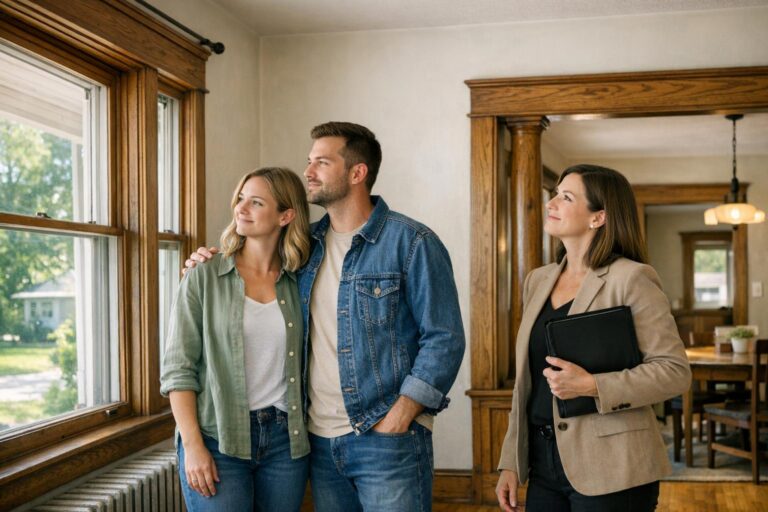
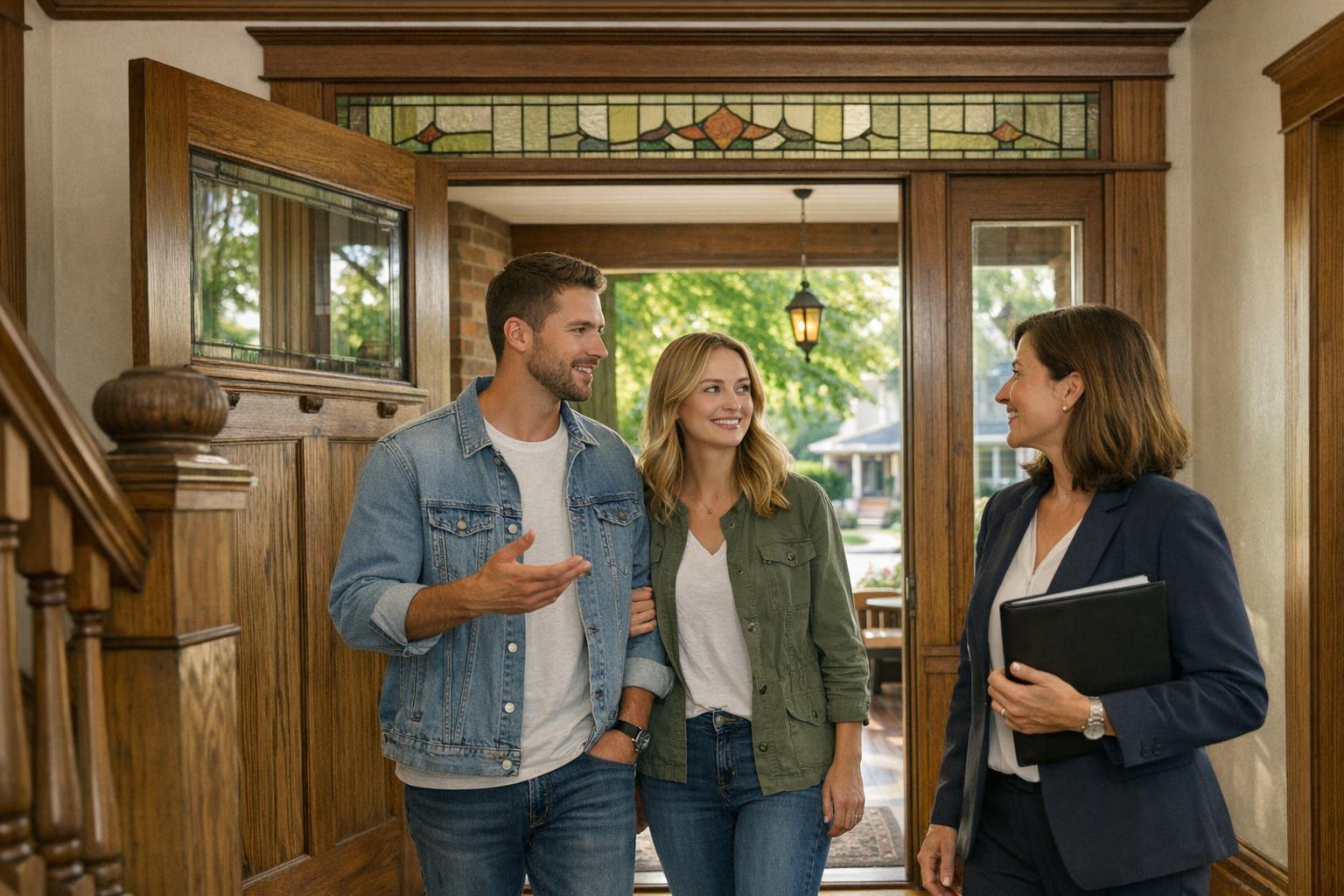
One of the main reasons people are drawn to historic homes in Grand Rapids is the unique character—original woodwork, stained glass, built-ins, and details you won’t find in newer construction. But it’s important to balance those features with your everyday needs. Think about how the home’s layout, storage, heating and cooling systems, and energy efficiency will fit your lifestyle.
A simple rule of thumb: If you love the charm but know you need certain updates, make a list of your must-haves and nice-to-haves. See how much work you’re realistically willing to take on, and whether you have the time, budget, and patience for renovations. Some buyers are energized by projects, while others want move-in ready homes with historic charm already intact.
Grand Rapids Buyer Example
For example, imagine a Grand Rapids buyer who falls in love with a century-old home in Heritage Hill. During the inspection, they discover the electrical system is original and the roof shows signs of age. After talking with their lender, they learn that certain repairs might need to be completed before closing. The buyer gets estimates from local contractors, weighs the costs, and decides which updates are priorities. In the end, they make an informed offer that reflects both the home’s character and its practical needs.
How Historic Homes Fit into the Grand Rapids Market
Grand Rapids is known for its mix of classic neighborhoods and historic architecture. Older homes can be found in areas like Heritage Hill, Eastown, and Ottawa Hills, but you’ll spot unique properties all over the city. In my experience, buyers are attracted to the craftsmanship and history these homes offer, but it’s important to remember that maintenance and updates can be part of the package.
Weather can affect what’s visible during inspections, especially with roofs, foundations, and exterior paint. If you’re buying in winter or during a rainy season, ask about the condition of exterior features and whether a follow-up inspection is possible. One issue worth discussing with your inspector or lender is whether the home’s age might affect insurance availability or rates—so it’s smart to get quotes early in the process. And if you’re weighing a historic home against a newer property, think about how updates, layout, and ongoing maintenance will fit your long-term plans.
Frequently Asked Questions About Buying in Grand Rapids
Are there restrictions on renovating a historic home in Grand Rapids?
If the home is in a designated historic district, there may be guidelines or rules about exterior changes. Always check with the city or local historic commission before making plans.
Do historic homes cost more to insure?
Insurance premiums for historic homes can sometimes be higher, especially if the home has original systems or unique features. It’s smart to get quotes from several insurers before buying.
Will an older home need more repairs than a newer one?
Older homes may have systems or materials that require updates, but the actual condition depends on previous maintenance and recent renovations. A thorough inspection is the best way to assess what’s needed.
Can I use a conventional mortgage for a historic home?
Many buyers use conventional loans for historic homes, but lenders may require certain repairs or updates before closing. Check requirements with your mortgage lender early in the process.
Related Grand Rapids Buyer Resources
- Selling Your Forest Hills Home: Balancing Historic Charm and Modern Expectations
- Is Grand Rapids Really One of the Top Housing Markets for 2026?
- How Do I Prepare My West Michigan Home for an Extended Winter Absence?

Industry Recognition
Jason is recognized by platforms and industry organizations including Zillow, Grand Rapids Magazine Real Estate All-Stars, and Real Producers for his work serving West Michigan buyers and sellers.
Jason also supports One More Moment, a nonprofit that grants wishes to adults with cancer, by donating $100 from every successful closing.
Professional Disclosure
Jason Pohlonski
Michigan Licensed Real Estate Salesperson
Verify Michigan License #6501386166
Brokerage: Keller Williams Grand Rapids East
Brokerage Office: 1555 Arboretum Dr. SE, Grand Rapids, MI 49546
Call or text: 616-916-9770
Schedule a 30-minute consultation
Email: jpohlonski@kw.com
This article reflects Jason’s experience working with buyers and sellers and market conditions in Grand Rapids and surrounding communities at the time of publication. Real estate outcomes can vary depending on market conditions, property characteristics, buyer demand, financing terms, inspection results, appraisal results, and lender requirements.
This article is for general informational purposes only and is not legal, tax, financial, insurance, engineering, inspection, or floodplain determination advice. Buyers and sellers should consult qualified professionals before making decisions involving financing, insurance, inspections, taxes, legal issues, or property risk.