Before You Buy an Older Home in Grand Rapids: Key Considerations for First-Time Buyers
If you’re considering buying an older home in Grand Rapids as your first purchase, you’re asking an important and practical question. Older homes can offer charm, character, and established neighborhoods, but they also come with unique considerations that first-time buyers might not anticipate. Understanding what to look for—and what questions to ask—can help you decide if an older home is the right fit and help you avoid unwanted surprises down the road.
Quick Answer
Before buying an older home in Grand Rapids, first-time buyers should pay close attention to the property’s condition, potential repairs, and the true long-term costs of ownership. This means looking beyond appearances to understand the age and state of major systems like the roof, plumbing, electrical, foundation, and windows.
Some issues can be managed with routine maintenance, while others may require significant investment or specialized expertise. If you’re buying your first home and dealing with this question, I’m happy to walk through it with you.
What Makes an Older Home Different for First-Time Buyers?
Older homes—those built several decades ago or more—can have features and construction methods that aren’t found in newer properties. While the details vary from home to home, you may encounter original woodwork, plaster walls, hardwood floors, or even knob-and-tube wiring (an outdated electrical system). These details give older homes their unique character but may also mean you’ll face updates or repairs sooner than with a new build.
For a first-time buyer, it’s important to recognize that age alone doesn’t determine a home’s condition or value. Instead, focus on understanding what has been maintained or updated over the years and what may need attention soon. This is where a thorough home inspection becomes crucial, as it can reveal issues that aren’t obvious during a showing. If you’re unfamiliar with the inspection process, you can learn more from the CFPB’s guide to home inspections.
Major Systems, Repairs, and the Inspection Process
When you’re buying an older home, the condition of the property’s major systems should be at the top of your list. These include the roof, foundation, electrical wiring, plumbing, heating, and cooling. Ask your real estate agent and inspector about the age and visible condition of these systems, and whether any recent updates have been made.
A home inspection is a detailed review of the property’s accessible areas and visible systems by a qualified inspector. The inspector will prepare a report outlining any findings, which can include safety concerns, repairs needed, or systems nearing the end of their useful life. Remember, an inspection is not a guarantee against all future problems, but it does provide a professional assessment to help you make informed decisions. If your purchase agreement includes an inspection contingency—a clause that lets you renegotiate or withdraw based on the inspection results—your options will depend on the specific language in your contract.
Have a First-Time Buyer Question?
Wondering how to weigh the pros and cons of an older Grand Rapids home?
Schedule a Buyer Consultation or call/text 616-916-9770.
Budgeting for Repairs and Ongoing Ownership Costs
One area that can surprise first-time buyers is the true cost of owning an older home. Beyond your mortgage payment, you’ll want to factor in the potential for repairs and updates—either right away or over time. Major repairs, such as replacing a roof or updating an old furnace, can be significant. Smaller repairs and ongoing maintenance also add up, especially as older systems and finishes begin to show their age.
To prepare, ask for information about recent repairs or improvements and get estimates for any work you know will be needed. Keep in mind that your lender may require certain repairs or updates as a condition of your loan, and some issues may affect your ability to get homeowners insurance. Your agent and inspector can help you identify which items are urgent versus those that can wait. For more on what condition factors to look for, see What Home Condition Factors Should Grand Rapids Buyers Look For?.
A Simple Decision Framework for First-Time Buyers
Deciding whether an older home is right for you comes down to weighing your priorities, budget, and willingness to take on projects. Here are a few questions to guide your decision:
- What are the ages and conditions of the roof, furnace, plumbing, and electrical systems?
- Have there been any major updates or repairs in recent years?
- Are there visible signs of moisture, foundation movement, or outdated wiring?
- Do you have the resources (time, budget, skills) to handle repairs now or in the near future?
- What are your “must-haves” versus “nice-to-haves” in a home?
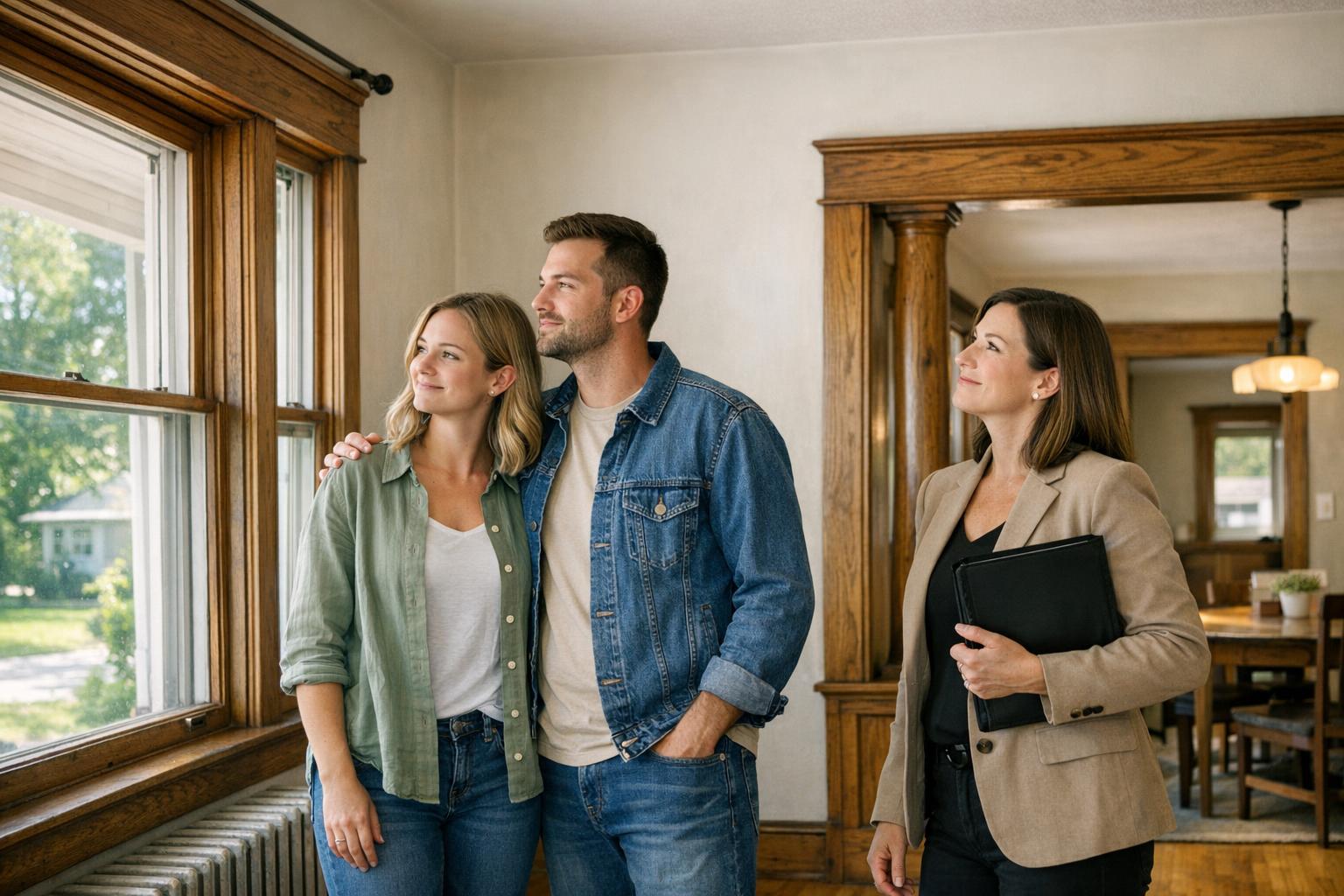
It can also be helpful to walk through the home with your agent, making note of anything that stands out—positive or negative. If the home is part of a homeowners association (HOA), ask about rules, fees, and any planned assessments that could affect your costs. Remember, the decision isn’t just about what you see today, but what you’re comfortable maintaining and updating over the years.
Jason’s take: In my experience, first-time buyers who take the time to understand both the charm and the challenges of older homes feel more confident in their decision. One question I would ask before deciding is: “Am I prepared—financially and emotionally—for the repairs and maintenance that may come with this property?”
A First-Time Buyer Example
For example, imagine a first-time buyer in Grand Rapids who finds a beautiful older home with original hardwood floors and detailed trim. During the inspection, the report notes an aging roof and outdated electrical system. The buyer reviews the inspection findings with their agent, gets repair estimates from local contractors, and discusses with their lender whether any updates are required for financing. Ultimately, the buyer uses this information to weigh the benefits of the home’s character against the immediate and future costs, helping them decide if this is the right first home or if they should keep looking. This process leaves the buyer better prepared to evaluate similar homes in the future.
What This Looks Like in Grand Rapids
Grand Rapids has a wide range of housing, including many homes built in earlier decades. If you’re considering an older home here, you’ll want to ask your agent and inspector about the ages of major systems and any updates made by previous owners. For some homes, property-specific conditions—like the presence of an older foundation or unique architectural features—may require specialized contractors or additional evaluation.
It’s also wise to review local utility costs, property tax estimates, and neighborhood characteristics as part of your decision. If you’re unsure about how property taxes might change after your purchase, your agent can direct you to the Michigan property tax estimator or the local assessor’s office for an address-specific estimate. For step-by-step guidance on buying in the area, check out the Grand Rapids First-Time Homebuyer Guide.
Frequently Asked Questions for First-Time Homebuyers
What should I look for during a home inspection on an older house?
Ask your inspector to focus on the condition and age of the roof, plumbing, electrical system, foundation, and any signs of moisture or structural movement. The inspection report will help you identify which items may require immediate attention.
Can I negotiate repairs or price after the inspection?
If your purchase agreement includes an inspection contingency, you may be able to request repairs, a price adjustment, or credits based on the findings. Your options depend on your contract and the seller’s response.
How do I estimate ongoing costs for an older home?
Review the ages of major systems and ask for maintenance records. Consider getting repair estimates and discussing them with your agent and lender to plan your budget.
Will my lender require repairs before closing?
Depending on the loan program and lender requirements, certain repairs may need to be completed before closing. Check with your lender for specific conditions that apply to your financing.
Related First-Time Homebuyer Resources
- What Home Condition Factors Should Grand Rapids Buyers Look For?
- Grand Rapids First-Time Homebuyer Guide
Start With the Grand Rapids First-Time Homebuyer Guide
If you’re still learning how to buy your first home, the Grand Rapids First-Time Homebuyer Guide is a great place to start for step-by-step advice and local tips.
Have questions about buying an older home or want to talk through your options? Book a no-pressure consultation at your convenience.

Industry Recognition
Jason is recognized by platforms and industry organizations including Zillow, Grand Rapids Magazine Real Estate All-Stars, and Real Producers for his work serving West Michigan buyers and sellers.
Jason also supports One More Moment, a nonprofit that grants wishes to adults with cancer, by donating $100 from every successful closing.
Professional Disclosure
Jason Pohlonski
Michigan Licensed Real Estate Salesperson
Verify Michigan License #6501386166
Brokerage: Keller Williams Grand Rapids East
Brokerage Office: 1555 Arboretum Dr. SE, Grand Rapids, MI 49546
Call or text: 616-916-9770
Schedule a 30-minute consultation
Email: jpohlonski@kw.com
This article reflects Jason’s experience working with first-time homebuyers, buyers, and sellers in Grand Rapids and surrounding communities at the time of publication. Real estate outcomes can vary depending on market conditions, property characteristics, financing terms, inspection results, appraisal results, insurance, taxes, and lender requirements.
This article is for general informational purposes only and is not legal, tax, financial, insurance, engineering, inspection, or appraisal advice. First-time homebuyers should confirm financing, insurance, tax, inspection, legal, and property-specific questions with the appropriate qualified professionals.