What Should I Know About Closing Costs When Buying in Grand Rapids?
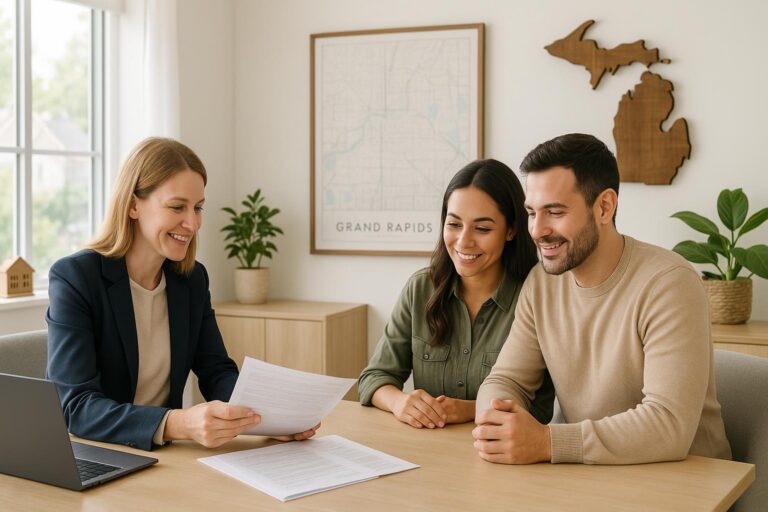
If you’re buying a home in Grand Rapids, you’ll hear a lot about “closing costs” before you ever get to the closing table. These are the expenses—outside of your down payment—that you’ll need to pay to actually finalize your purchase. It’s important to know what to expect, how these costs are broken down, and how to plan so you aren’t caught off guard at the last minute.
Quick Answer
Closing costs in Grand Rapids cover everything from lender fees and title insurance to prepaid taxes, homeowners insurance, and various local charges. They usually add up to several thousand dollars and are separate from your down payment—so it’s important to budget for both.
Some fees are negotiable or can vary depending on your lender, the property, and the timing of your purchase. If you’re dealing with this situation, I’m happy to walk through it with you.
Understanding What Closing Costs Actually Cover
Closing costs are a bundle of different fees and prepayments that come due when you buy a home. In Grand Rapids, these generally include lender charges (like loan origination and underwriting), title company and escrow fees, appraisal and inspection costs, prepaid property taxes, and homeowners insurance. You might also see charges for things like recording the deed or a survey, depending on the property and loan type.
It’s easy to underestimate closing costs if you’re just thinking about your down payment. Lenders are required to give you a Loan Estimate early in the process, which breaks down all projected fees. Take the time to review this carefully. Ask questions about anything that doesn’t make sense or seems higher than expected. Not every line item is set in stone—some fees can be compared or negotiated.
How to Budget for Closing Costs in Grand Rapids
When you’re planning your budget, remember that closing costs are separate from your down payment. A simple rule of thumb is to expect these to run several thousand dollars, but the exact amount depends on your loan, property taxes, and insurance rates. Some buyers are surprised by prepaid items—like several months of property taxes or homeowners insurance that need to be paid up front at closing.
To avoid surprises, ask your lender for a detailed estimate as soon as you start the mortgage process. Compare the lender’s fees to those from other lenders if you haven’t locked in yet. If you’re buying in a neighborhood with a homeowners association (HOA), ask about any transfer fees or upfront dues. These can add to your total closing costs.
Want to Talk Through Your Situation?
If you’re sorting out how much to budget for closing costs or wondering which fees can be negotiated, I’m always happy to help explain the details. Every situation is a little different, so talking it through can save some stress.
Schedule a Buyer Consultation or call/text 616-916-9770.
Negotiating Closing Costs: What’s Possible and What’s Not
Some closing costs are set by third parties and are less flexible—like government recording fees or certain title insurance charges. Others, such as lender origination fees, may be negotiable depending on your lender’s policies and the loan program you choose. In Grand Rapids, buyers sometimes ask the seller to help cover part of the closing costs as part of the purchase agreement, but whether that works out depends on how strong your offer is and what the seller is willing to do.
If you’re comparing loan programs, ask about the differences in closing costs between them. Some programs may have lower upfront charges but different long-term expenses. If you’re concerned about cash for closing, your lender may be able to offer a credit in exchange for a slightly higher interest rate, but it’s important to weigh whether that trade-off makes sense for your situation.
Jason’s take: In my experience, reviewing the preliminary closing disclosure with your lender and agent a few days before closing is the best way to catch surprises early. Don’t be shy about asking for clarification on every line.
What to Double-Check Before Closing Day
As your closing date approaches, you’ll receive a final Closing Disclosure from your lender. This document outlines every dollar you’ll need to bring to closing, along with exactly where it’s going. Go through this line by line—especially if you’ve seen multiple drafts or if any credits or adjustments were discussed after your offer was accepted.
If anything looks off, speak up right away. Sometimes last-minute changes—like tax prorations or HOA fees—can shift your final number. You can also ask your agent or closing coordinator to walk through the document with you, so you feel confident about what to expect at the closing table. For a detailed overview of how the closing process works, you can check out the Consumer Financial Protection Bureau’s guide to closing.
Grand Rapids Buyer Example
For example, imagine a Grand Rapids buyer who has saved up enough for the down payment and is ready to make an offer. After talking with their lender, they learn that their total closing costs include not just lender fees, but also several months of prepaid property taxes, homeowners insurance, and some title company charges. Because they reviewed the Loan Estimate early, they had time to adjust their savings and avoid a last-minute scramble before closing. This is one way planning ahead can make the process much smoother.
Grand Rapids Buyer Market Insight
One thing I notice with Grand Rapids buyers is that local property taxes, insurance rates, and even some recording fees can vary by township or neighborhood. If you’re buying in an area with higher taxes or a homeowners association, your prepaid costs could be higher than you expect. Weather can also play a role—if you’re closing late in the year, you may need to prepay additional months of taxes or insurance, depending on how the lender structures your escrow account.
Buyers may want to consider asking about any unique local fees or requirements—like municipal inspections, transfer taxes, or HOA transfer fees—especially if they’re coming from out of town. Comparing closing cost estimates from different lenders and asking for a line-by-line explanation can help you feel more confident before you sign anything. For more information on what goes into the closing process, the Consumer Financial Protection Bureau’s homebuying guide is a useful resource.
Frequently Asked Questions About Buying in Grand Rapids
Can I roll closing costs into my mortgage?
Depending on your loan program and lender, you may be able to finance some closing costs, but this isn’t always possible and can increase your monthly payment. Check with your lender to see what’s allowed for your specific situation.
Are seller-paid closing costs common in Grand Rapids?
Whether a seller will contribute to your closing costs depends on the property, how competitive your offer is, and the terms of your purchase agreement. It’s something you can discuss with your agent when structuring your offer.
What’s the difference between closing costs and a down payment?
Your down payment goes toward the price of the home and builds your equity. Closing costs are additional fees and prepayments required to finalize the purchase—these are separate expenses.
When do I find out exactly how much I need for closing?
Your lender will give you an initial Loan Estimate early in the process and a final Closing Disclosure a few days before closing. Review both carefully and ask questions if anything changes.
Related Grand Rapids Buyer Resources
- How Does Walkability Affect What I Can Sell My East Grand Rapids Home For?
- Rockford Weekly Market Report – October 25, 2026
- Forest Hills Weekly Market Report – October 25, 2026

Industry Recognition
Jason is recognized by platforms and industry organizations including Zillow, Grand Rapids Magazine Real Estate All-Stars, and Real Producers for his work serving West Michigan buyers and sellers.
Jason also supports One More Moment, a nonprofit that grants wishes to adults with cancer, by donating $100 from every successful closing.
Professional Disclosure
Jason Pohlonski
Michigan Licensed Real Estate Salesperson
Verify Michigan License #6501386166
Brokerage: Keller Williams Grand Rapids East
Brokerage Office: 1555 Arboretum Dr. SE, Grand Rapids, MI 49546
Call or text: 616-916-9770
Schedule a 30-minute consultation
Email: jpohlonski@kw.com
This article reflects Jason’s experience working with buyers and sellers and market conditions in Grand Rapids and surrounding communities at the time of publication. Real estate outcomes can vary depending on market conditions, property characteristics, buyer demand, financing terms, inspection results, appraisal results, and lender requirements.
This article is for general informational purposes only and is not legal, tax, financial, insurance, engineering, inspection, or floodplain determination advice. Buyers and sellers should consult qualified professionals before making decisions involving financing, insurance, inspections, taxes, legal issues, or property risk.