What Should Grand Rapids Buyers Know About Walkability and Commute?
If you’re thinking about buying a home in Grand Rapids, questions about walkability and commute times usually come up early. These factors can really affect your day-to-day life and how much you enjoy your new place. Let’s break down what matters, what to look out for, and how to make the right call for your situation.
Quick Answer
Grand Rapids has a mix of walkable neighborhoods and more suburban areas, so your daily routine could look very different depending on where you buy. Walkability is great if you want to be close to coffee shops, parks, or work, but it may come with a higher price or smaller yard.
Commute times can range from just a few minutes downtown to longer drives if you pick outer neighborhoods or nearby towns. It’s important to test your route at rush hour and think about your priorities. If you’re dealing with this situation, I’m happy to walk through it with you.
Understanding Walkability in Grand Rapids Neighborhoods
In Grand Rapids, walkability varies a lot by neighborhood. Some areas—like downtown, Heritage Hill, or parts of Eastown—have sidewalks, bike lanes, and easy access to restaurants, parks, and shops. Others are more car-dependent, especially as you move toward the outskirts or into newer subdivisions.
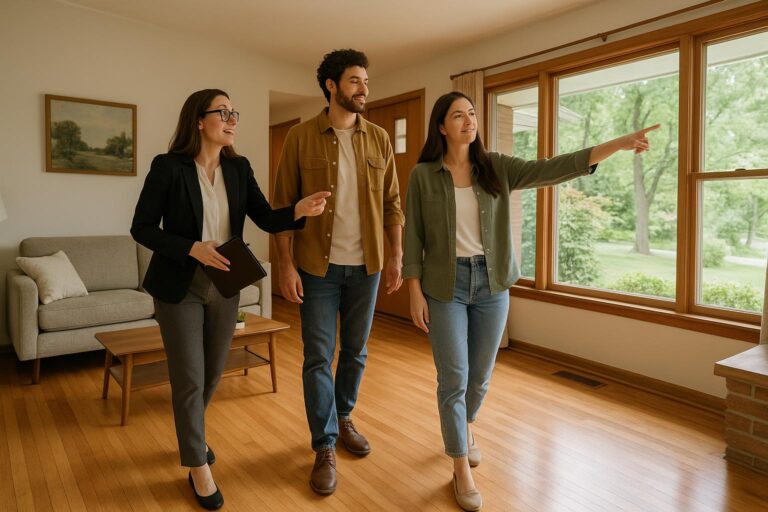
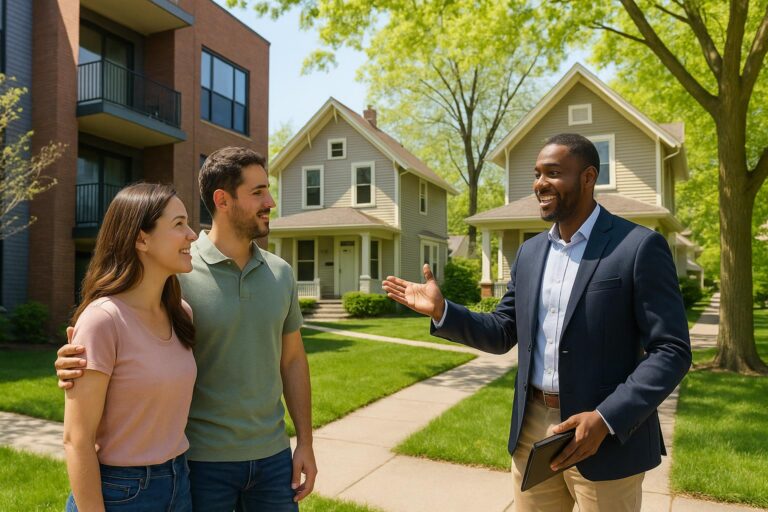
When you’re evaluating a home, take a walk around the block at different times of day. Ask yourself: Is there a grocery store, coffee shop, or park within a reasonable walk? Are sidewalks continuous and well-kept? If you have kids or pets, notice how easy it is to get to parks or schools without driving.
Weighing Commute Times and Transportation Options
Grand Rapids isn’t a huge city, but commute times can add up if you’re headed across town during busy hours. Think about where you’ll be working, which schools you might use, and whether you’ll be commuting by car, bike, bus, or a mix. Some buyers are surprised at how much time they spend in the car when moving from a walkable neighborhood to a more affordable suburb.
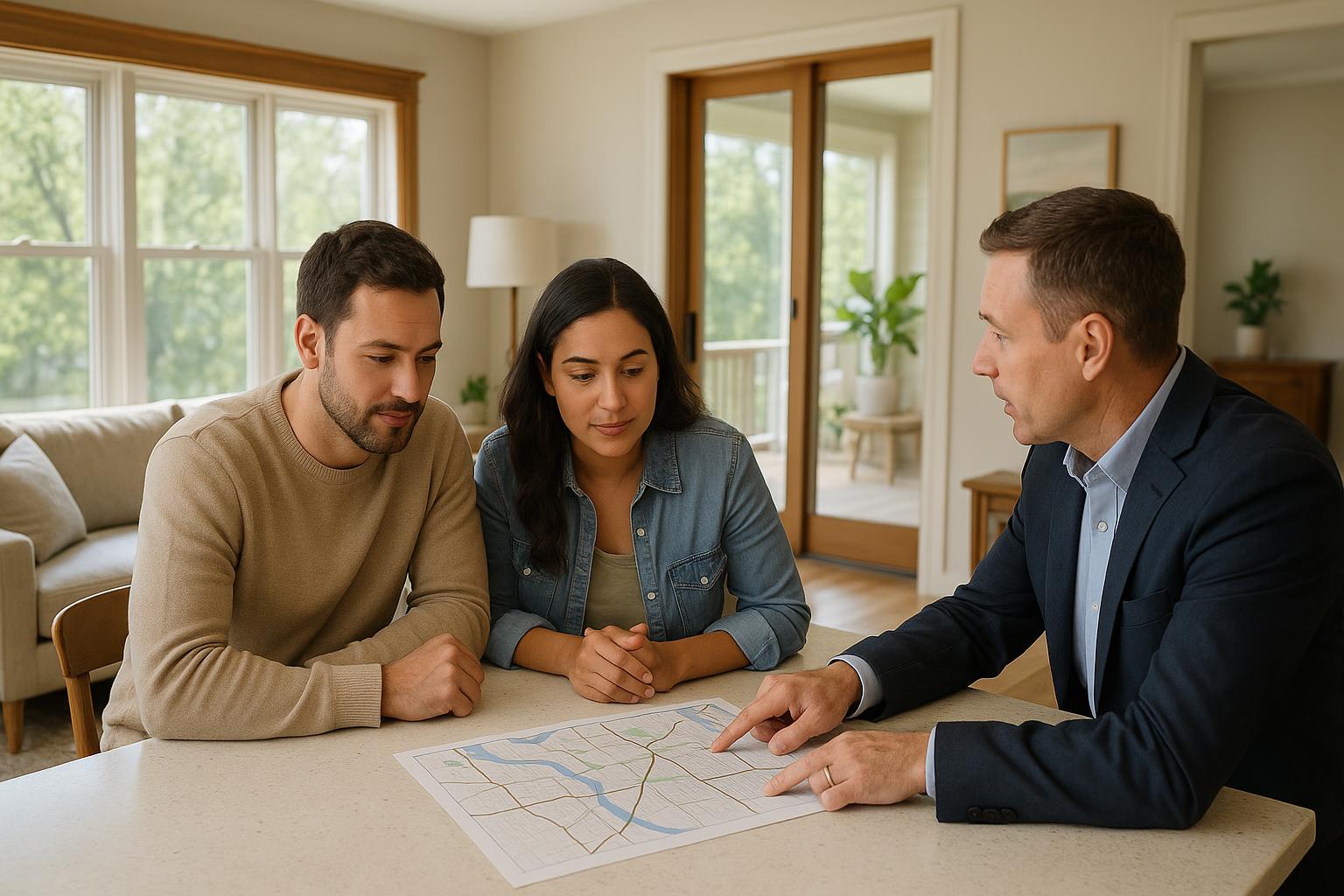
A simple rule of thumb: Test your commute at the time you’d actually be driving. Don’t just trust a map app at 2 p.m.—try it during morning or evening rush hour. This gives you a real sense of what your daily routine might look like.
Want to Talk Through Your Situation?
Every buyer’s priorities are different when it comes to walkability and commute. If you want to compare neighborhoods or figure out what fits your lifestyle, I’m glad to help you sort through your options.
Schedule a Buyer Consultation or call/text 616-916-9770.
Balancing Lifestyle Priorities: Space, Budget, and Convenience
Choosing between a walkable area and a longer commute usually comes down to your lifestyle and what you value most. Walkable neighborhoods in Grand Rapids may have higher prices per square foot, less yard space, or older homes. If you want a larger lot, quieter streets, or newer construction, you may be looking at a less walkable location and a longer drive to work, shopping, or entertainment.
Think about your daily habits: Do you want to walk to a coffee shop every morning, or is more space and privacy worth a 20-minute drive? There’s no right answer—it’s about tradeoffs that fit your routine and budget.
Jason’s take: In my experience, buyers who are honest about their real routines—like school drop-offs, work shifts, or weekend plans—end up happier with their choice. It’s easy to imagine walking everywhere, but if you don’t actually do it, the commute might matter more.
How to Research Walkability and Commute Before You Buy
Before making an offer, do your homework on the neighborhood. Online walkability scores can be a starting point, but walking the area yourself is even better. Check for sidewalks, lighting, and how busy the roads feel. If you’re relying on public transit, see how frequent and convenient the routes are, especially in winter months.
For commutes, map out your top destinations and drive the routes at the times you’ll use them. Ask about parking rules, snow removal, and road conditions. If you’re moving from out of town, try to schedule a few visits to get a real feel for traffic patterns. The Consumer Financial Protection Bureau also has a helpful guide on what to look for in a neighborhood that covers these topics in more detail.
Grand Rapids Buyer Example
For example, imagine a Grand Rapids buyer who loves the idea of walking to restaurants and events but also wants a little more space and a quieter street. They look at homes in Eastown and a few just outside the city. After testing the commute and walking the neighborhoods, they realize that while Eastown offers great walkability, the slightly longer drive from a nearby suburb is manageable—and the extra space is worth it for their lifestyle.
Grand Rapids Buyer Market Insight
One thing to keep in mind about Grand Rapids is that weather can affect how walkable an area feels, especially in winter. Sidewalks and roads can get icy, and snow removal varies by neighborhood and municipality. If walkability is important to you year-round, check how well the neighborhood is maintained during the colder months.
Another factor is the age and style of homes. Some walkable neighborhoods have older homes with unique charm, while less walkable areas may have newer construction with more modern layouts. Buyers may want to discuss maintenance considerations, utility costs, and how the property fits their long-term needs. If you have specific questions about neighborhood features, it can be helpful to talk with your inspector or use resources like the HUD guide to buying a home.
Frequently Asked Questions About Buying in Grand Rapids
Which Grand Rapids neighborhoods are considered walkable?
Some popular walkable areas include downtown, Eastown, Heritage Hill, and parts of East Grand Rapids. Always check the neighborhood for yourself to see if it fits your needs.
How can I test my commute before buying?
Drive your route at the actual times you’ll be commuting, not just in the middle of the day. This gives you a realistic idea of travel time and traffic flow.
Is walkability worth paying a higher price for a home?
It depends on your lifestyle and what you value—some buyers are willing to pay more for the convenience, while others prefer space and don’t mind a drive.
Are there public transportation options in Grand Rapids?
The Rapid bus system serves many neighborhoods, but coverage and frequency vary. Check routes and schedules for the areas you’re considering.
Related Grand Rapids Buyer Resources
- Grand Rapids Weekly Market Report
- East Grand Rapids Weekly Market Report
- Forest Hills Weekly Market Report

Industry Recognition
Jason is recognized by platforms and industry organizations including Zillow, Grand Rapids Magazine Real Estate All-Stars, and Real Producers for his work serving West Michigan buyers and sellers.
Jason also supports One More Moment, a nonprofit that grants wishes to adults with cancer, by donating $100 from every successful closing.
Professional Disclosure
Jason Pohlonski
Michigan Licensed Real Estate Salesperson
Verify Michigan License #6501386166
Brokerage: Keller Williams Grand Rapids East
Brokerage Office: 1555 Arboretum Dr. SE, Grand Rapids, MI 49546
Call or text: 616-916-9770
Schedule a 30-minute consultation
Email: jpohlonski@kw.com
This article reflects Jason’s experience working with buyers and sellers and market conditions in Grand Rapids and surrounding communities at the time of publication. Real estate outcomes can vary depending on market conditions, property characteristics, buyer demand, financing terms, inspection results, appraisal results, and lender requirements.
This article is for general informational purposes only and is not legal, tax, financial, insurance, engineering, inspection, or floodplain determination advice. Buyers and sellers should consult qualified professionals before making decisions involving financing, insurance, inspections, taxes, legal issues, or property risk.