What Happens at Closing for My First Home in Grand Rapids?
Wondering what actually happens at closing when you buy your first home in Grand Rapids? You might have heard about “signing the papers” or “getting the keys,” but the closing process involves several important steps and decisions that matter for first-time buyers. Understanding what to expect can help you feel confident and prepared as you move toward homeownership.
Quick Answer
At closing, you’ll meet with your real estate agent, possibly the seller, and professionals like the closing agent or escrow officer to review and sign the final documents that transfer ownership of the home to you. You’ll also pay your remaining funds, receive an explanation of key documents, and—if everything is complete—get the keys to your new home.
If you’re buying your first home and dealing with this question, I’m happy to walk through it with you.
Who’s at the Closing Table and What Happens?
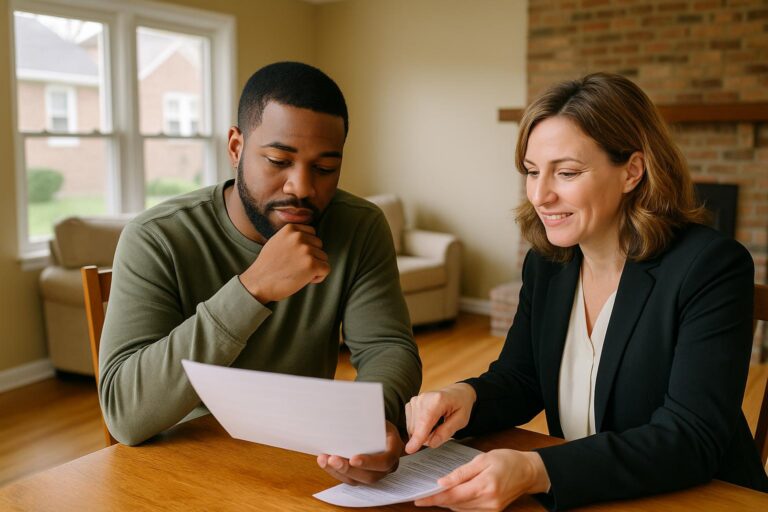
Closing is the final step in the homebuying process. In Grand Rapids, the closing usually takes place at a title company, attorney’s office, or sometimes a real estate office. People present may include you (the buyer), your real estate agent, a closing agent or escrow officer (a neutral third party who handles the documents and funds), and sometimes the seller and their agent.
During closing, you’ll review a stack of documents—these include your loan paperwork (if you’re financing), the settlement statement (which breaks down all costs and credits), the deed (which transfers ownership), and other disclosures. The closing agent will explain what each document means before you sign. If you’re unsure about anything, ask for clarification before signing. This is your opportunity to confirm all the details are correct.
Understanding the Money: Cash to Close, Escrow, and Prorations
“Cash to close” means the total amount you need to pay at closing, including your down payment, closing costs, and any adjustments for things like property taxes or prepaid expenses. Your lender or the closing agent will provide you with a document called a Closing Disclosure before closing, outlining all these numbers. Review this carefully so there are no surprises.
Escrow refers to a neutral account where your earnest money deposit (the good-faith money you put down when your offer was accepted) and other funds are held until closing. The closing agent manages this account to ensure all money is properly distributed. Tax prorations are adjustments for property taxes so that you and the seller each pay your fair share based on the closing date. If you have questions about how these numbers are calculated, your agent or the closing agent can walk you through the math.
Have a First-Time Buyer Question?
Not sure what documents or funds you’ll need to bring to your Grand Rapids closing?
Schedule a Buyer Consultation or call/text 616-916-9770.
What You Need to Bring and Check Before Closing
Before closing day, make sure you have:
- A valid government-issued photo ID
- Any funds needed for closing (ask the closing agent how to provide these—sometimes a wire transfer or cashier’s check is required)
- Proof of homeowners insurance (your lender will require this if you’re financing)
- Any additional documents requested by your lender or closing agent
It’s also important to complete a final walkthrough—this is your chance to walk through the home, usually within 24 hours before closing, to confirm it’s in the agreed-upon condition. If you notice any issues, let your agent know right away so they can address them before you sign the final papers.
What Happens After You Sign: Keys, Possession, and Next Steps
After you sign the documents and the funds are processed, the home is officially yours—though the timing of possession (when you get the keys and can move in) depends on your purchase agreement. Sometimes possession happens immediately after closing; in other cases, there may be a short delay if the seller needs time to move out.
If you’re financing, the closing agent will send the signed documents to your lender for final review, known as underwriting. Once the lender gives the green light and the transaction is officially recorded with the county, you’ll receive your keys. Your agent can clarify when you can move in, so you can plan accordingly.
Jason’s take: In my experience, a smooth closing is all about preparation. One thing I want first-time buyers to understand is that asking questions before and during closing is never a bother—your confidence matters.
A First-Time Buyer Example
For example, imagine a first-time buyer in Grand Rapids who is about to close on their new home. They double-check their Closing Disclosure, confirm the amount needed for closing, and schedule their final walkthrough with their agent. On closing day, they bring their ID and a cashier’s check as instructed. When the closing agent explains a document they don’t recognize, they ask for clarification before signing. By being prepared and asking questions, this buyer feels more confident throughout the process, making the transition to homeownership less stressful and more understandable.
What This Looks Like in Grand Rapids
In Grand Rapids, the closing process is usually handled by a local title company familiar with Michigan property transfer practices. Each property and transaction can have its own unique details—such as possession timing, tax prorations, or HOA fees—so it’s important to review your purchase agreement and Closing Disclosure carefully.
If you’re buying in a neighborhood with a homeowners association, be sure to verify what fees and rules apply before closing. For homes in the city of Grand Rapids or surrounding areas, property tax adjustments at closing may reflect local millage rates and the timing of the sale. If you have questions about how these details affect your transaction, your real estate agent and the closing agent are valuable resources.
Frequently Asked Questions for First-Time Homebuyers
Do I need to attend the closing in person?
In many cases, buyers attend closing in person, but remote or mail-away closings may be possible depending on the title company and lender requirements.
What happens if something is wrong during my final walkthrough?
If the home is not in the agreed-upon condition, let your agent know immediately. They can help address the issue before you sign closing documents.
Can I get the keys to my new home right after closing?
Possession timing depends on your purchase agreement. Sometimes keys are given at closing, but a delay is possible if the seller needs time to move out.
How do I know how much money to bring to closing?
Your Closing Disclosure lists the exact amount needed for closing. Confirm payment instructions with your closing agent to avoid last-minute surprises.
Related First-Time Homebuyer Resources
- What Should I Know About Escrow Accounts When Buying a Home in Grand Rapids?
- Grand Rapids First-Time Homebuyer Guide
Start With the Grand Rapids First-Time Homebuyer Guide
If you want a clear overview of every step in the process, check out the Grand Rapids First-Time Homebuyer Guide for more resources and answers.
Have questions about closing or any other part of buying your first home? Schedule a no-pressure call here if you’d like to talk it through.

Industry Recognition
Jason is recognized by platforms and industry organizations including Zillow, Grand Rapids Magazine Real Estate All-Stars, and Real Producers for his work serving West Michigan buyers and sellers.
Jason also supports One More Moment, a nonprofit that grants wishes to adults with cancer, by donating $100 from every successful closing.
Professional Disclosure
Jason Pohlonski
Michigan Licensed Real Estate Salesperson
Verify Michigan License #6501386166
Brokerage: Keller Williams Grand Rapids East
Brokerage Office: 1555 Arboretum Dr. SE, Grand Rapids, MI 49546
Call or text: 616-916-9770
Schedule a 30-minute consultation
Email: jpohlonski@kw.com
This article reflects Jason’s experience working with first-time homebuyers, buyers, and sellers in Grand Rapids and surrounding communities at the time of publication. Real estate outcomes can vary depending on market conditions, property characteristics, financing terms, inspection results, appraisal results, insurance, taxes, and lender requirements.
This article is for general informational purposes only and is not legal, tax, financial, insurance, engineering, inspection, or appraisal advice. First-time homebuyers should confirm financing, insurance, tax, inspection, legal, and property-specific questions with the appropriate qualified professionals.