Should You Worry About Foundation Issues in Grand Rapids?
When buying a home in Grand Rapids, foundation issues are a real concern—especially in older homes or those in certain neighborhoods. The best approach is to proactively assess foundation risk during your due diligence phase, rather than shying away from potential problems or letting fear drive your decision. In Grand Rapids, some foundation concerns are common, but with the right strategy, buyers can make smart, informed offers and avoid major surprises after closing.
If you’re considering a property here, your key strategy is to get a thorough inspection and understand what’s typical for the area. Some issues are minor and easily resolved, while others might signal more serious structural problems. Working with a local agent and qualified inspector is the fastest way to get clarity—before you’re locked into a purchase.
Quick Answer
Yes, you should pay attention to potential foundation issues when buying a home in Grand Rapids, but most concerns can be managed with the right process. Many homes—especially those built before the 1980s—may show small cracks or evidence of settling, which are not always deal-breakers.
The key is to have a qualified inspector evaluate the foundation and, if needed, get a structural engineer’s opinion before moving forward. If you’re dealing with this situation, I’m happy to walk through it with you and help you understand your options.
Know the Most Common Foundation Issues in Grand Rapids
Foundation concerns in Grand Rapids are often tied to our climate and soil. Many homes here have poured concrete or block foundations, and it’s not unusual to see some minor settling cracks, especially in homes built prior to the 1980s. Water intrusion is another common concern, particularly in basements, due to seasonal freeze-thaw cycles and clay-heavy soils in many neighborhoods.
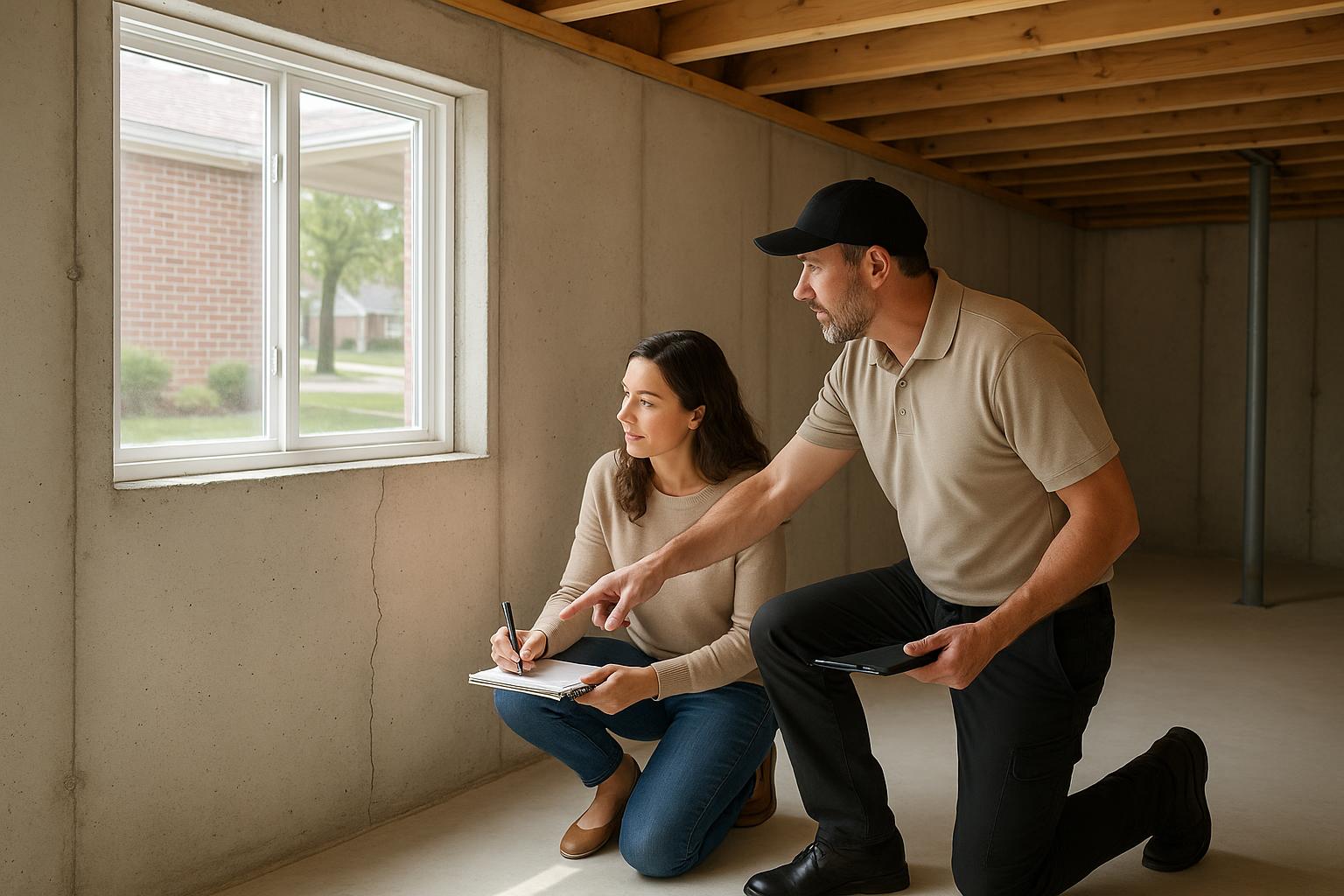
Buyers should look for horizontal cracks, stair-step cracks in block walls, signs of moisture, and doors or windows that stick. While not all cracks mean disaster, wide horizontal cracks or bowing walls can signal larger problems. According to HUD inspection guidelines, these types of issues warrant further evaluation by a specialist.
Jason’s take: In northeast Grand Rapids and some older city neighborhoods, it’s almost expected to see a few hairline foundation cracks. I always advise buyers to focus on the size, direction, and recent movement of any cracks rather than panicking over every imperfection.
How to Evaluate Foundation Issues During Your Inspection
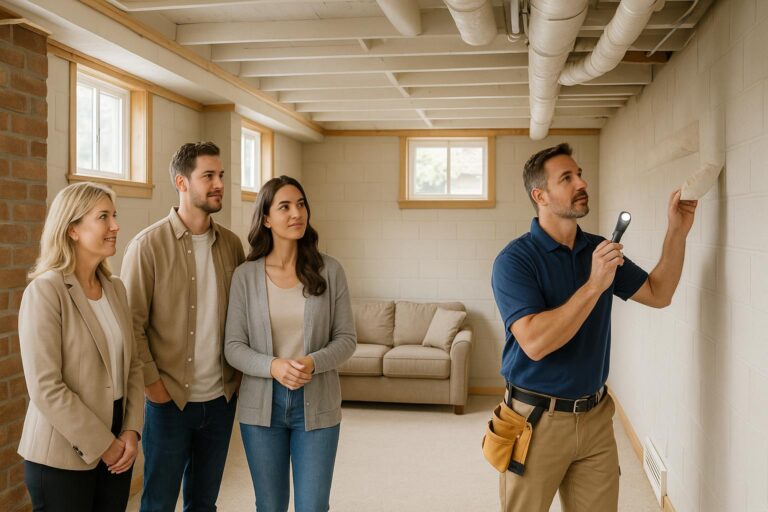
The home inspection is your best line of defense. In Grand Rapids, it’s standard for buyers to hire a licensed inspector who will walk the basement, crawl space, and exterior foundation. Expect your inspector to note any visible cracks, moisture, or shifting, and to flag anything that looks out of the ordinary.
For issues beyond a typical inspector’s expertise, you may need a structural engineer. Their assessment can clarify whether a concern is minor or needs immediate repair. The Consumer Financial Protection Bureau emphasizes the value of getting specialized inspections when structural questions arise.
Jason’s take: If the inspector says, “This is common for homes of this age in Grand Rapids,” I always ask for photos, measurements, and a recommendation about next steps. Don’t accept vague answers—get specifics so you can negotiate with confidence.
Decision-Making Framework: When Should You Walk Away?
Here’s a practical rule of thumb for buyers: If a foundation issue requires repairs that cost more than 1–2% of the purchase price, or if a structural engineer can’t assure you of long-term stability, it’s time to pause and reassess. For example, if a $300,000 home needs $10,000+ in immediate foundation work, most buyers should negotiate for repairs or walk away unless they’re comfortable with the risk and cost.
Less severe issues—such as minor, stable cracks or evidence of past repairs—can often be managed with maintenance and good drainage. Always factor in repair estimates and consult your lender, since some loan types (like FHA or VA) may require foundation repairs before closing. For more on how this plays out in the local market, see my article on earnest money in Grand Rapids transactions.
Negotiating Repairs and Protecting Your Interests
After your inspection, you have a window to negotiate repairs or credits with the seller. In Grand Rapids, it’s common for buyers to request that foundation issues be professionally evaluated and repaired before closing, or to ask for a seller credit so you can handle the work post-closing. Be sure to get all agreements in writing and specify the type of contractor required (such as a licensed foundation specialist).
If you’re in a competitive multiple-offer scenario, you may need to be more strategic. Sometimes buyers choose to accept minor issues or cap their repair requests to avoid losing the home. Make sure you’re not skipping critical repairs just to win an offer—serious structural problems can be a long-term headache. For tips on standing out in showings and negotiations, see my post on making your offer stand out in Grand Rapids.
Jason’s take: I’ve helped buyers successfully negotiate $2,500–$15,000 in seller-paid foundation repairs, but it’s only possible when you have thorough documentation and a clear repair plan from a reputable contractor.
Real Buyer Case Study
Last year, I worked with a relocation client buying a $325,000 home in the Alger Heights area. During inspection, the buyer’s inspector noted horizontal cracks and slight bowing in one basement wall. We immediately brought in a local structural engineer, who estimated the repair cost at $8,500. With this documentation, we negotiated a seller credit to cover the full repair. The buyer closed on time and completed the work within two months, with no further issues reported by their insurance company.
Grand Rapids Buyer Market Insight
In the $250,000–$400,000 range, I’m seeing buyers remain assertive with inspection requests even in multiple-offer situations. Most buyers are willing to walk from deals where foundation issues are serious or not fully understood. In neighborhoods with older housing stock, like Eastown or Heritage Hill, it’s common for buyers to bring in a structural engineer even when competing—especially if they plan to stay long-term or use FHA financing.
Frequently Asked Questions About Buying in Grand Rapids
- Are small foundation cracks normal in Grand Rapids homes?
Yes, hairline cracks or minor settling are common, especially in older homes. Always have an inspector evaluate them to determine if further action is needed. - Can foundation issues affect my ability to get a mortgage?
Yes, lenders (especially FHA, VA, and RD) may require repairs before closing if significant problems are found. Ask your lender about specific requirements for your loan type. - Should I buy a house with a history of foundation repair?
If repairs were professionally completed and documented, and there’s a transferable warranty, many buyers feel comfortable moving forward. Always review repair records and warranties. - How much do foundation repairs typically cost in Grand Rapids?
Minor crack repairs can be a few hundred dollars, but major structural work can run $5,000–$20,000+. Get quotes from reputable local contractors before making a decision.
Related Grand Rapids Buyer Resources
- What to Know About Earnest Money When Buying in Grand Rapids
- What to Know About Grand Rapids School Districts
- How Can I Make My Grand Rapids Home Stand Out to Buyers During Showings?
About the Author
Jason Pohlonski
is a Michigan licensed real estate salesperson with Keller Williams Grand Rapids East. He helps buyers and sellers throughout Grand Rapids, East Grand Rapids, Forest Hills, Ada, Byron Center, Jenison, Cascade, and surrounding West Michigan communities.
Jason began his real estate career in Chicago in 2004, later expanding his experience in Ann Arbor from 2014 to 2019, and has been serving clients in the Grand Rapids area since 2019.
With over 20 years of combined real estate experience across multiple markets, Jason focuses on helping clients make clear real estate decisions involving pricing, offer terms, inspections, appraisals, relocation timing, and buy-sell planning.
Industry Recognition
Jason is recognized by platforms and industry organizations including Zillow, Grand Rapids Magazine Real Estate All-Stars, and Real Producers for his work serving West Michigan buyers and sellers.
Jason also supports One More Moment, a nonprofit that grants wishes to late-stage cancer patients, by donating $100 for every successful closing.
Professional Disclosure
Jason Pohlonski
Michigan Licensed Real Estate Salesperson
License Verification: Verify Michigan License #6501386166
Brokerage: Keller Williams Grand Rapids East
Brokerage Office: 1555 Arboretum Dr. SE, Grand Rapids, MI 49546
📱 Call or text: 616-916-9770
📅 Schedule consultation:
https://calendly.com/pohlonskirealestate/30min
📧 Email: jpohlonski@kw.com
This article reflects real client experiences and market conditions in Grand Rapids and surrounding communities at the time of publication. Real estate outcomes can vary depending on market conditions, property characteristics, buyer demand, financing terms, inspection results, appraisal results, and lender requirements.
This article is for general informational purposes only and is not legal, tax, financial, insurance, engineering, inspection, or floodplain determination advice. Buyers and sellers should consult qualified professionals before making decisions involving financing, insurance, inspections, taxes, legal issues, or property risk.