How to Manage a Simultaneous Sale and Purchase in Grand Rapids
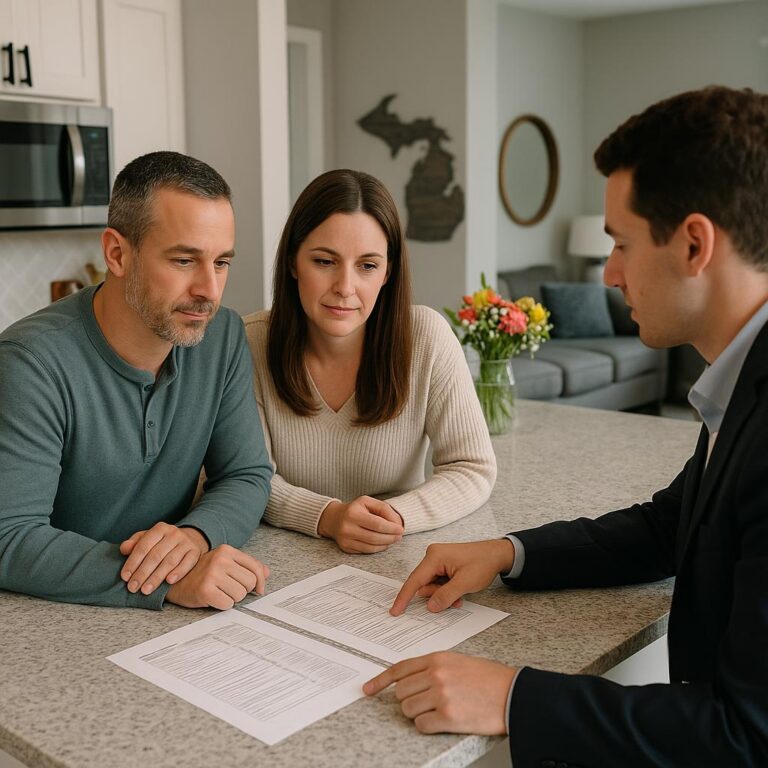
If you’re thinking about selling your Grand Rapids home and buying another one at the same time, you’re not alone. Managing both sides of the move—selling your current home and purchasing your next—can feel complicated. The timing, the financial details, and the logistics all matter, and getting them wrong can cause unnecessary stress or cost. Knowing what to expect and which decisions matter most can help you prepare for a smoother transition.
This is a situation that affects your living arrangements, your finances, and your peace of mind. Should you sell first, buy first, or try to close both deals on the same day? What if one side runs into a delay or a hiccup? Here’s what Grand Rapids sellers need to consider about handling a simultaneous sale and purchase.
Quick Answer
Selling and buying at the same time in Grand Rapids means juggling two transactions that may not move at the same pace. Careful planning around timing, offer terms, and possession is key to avoiding unwanted surprises.
You’ll want to consider your financial comfort, how flexible you can be with moving dates, and what options you have if there’s a gap between closings. If you’re dealing with this, I’m happy to walk through it with you.
Evaluating Timing: Sell First, Buy First, or Both Together?
One of the first decisions you’ll face is whether to sell your current Grand Rapids home before buying, buy your new home before selling, or try to arrange both closings on the same day. Each option has tradeoffs.
Selling first can give you clarity on your available funds and avoid carrying two mortgages. However, you may need temporary housing if you haven’t yet purchased your next home. Buying first might mean you don’t have to move twice, but it can add financial pressure if your current home doesn’t sell quickly. Attempting to close both on the same day can be efficient but requires both transactions to stay on track, which isn’t always in your control. Discuss your risk tolerance, moving flexibility, and financial situation with your agent to decide which approach works best for you.
Understanding Offer Terms and Contingencies
When selling and buying simultaneously, the offer terms on both sides can play a big role in your flexibility. If you’re selling, you might receive offers with buyer contingencies—such as a buyer needing to sell their own home first. On the purchase side, you might want to make your own offer contingent on your sale closing.
Contingencies can protect you, but they also add complexity and may affect how your offer or listing performs compared to others. Consider what contingencies you can accept, how strong your position is, and what your backup plan would be if either side is delayed or falls through. Your agent can help you weigh the pros and cons of each option and draft terms that protect your interests.
Want to Talk Through Your Situation?
If you’re thinking about selling and buying at the same time, let’s review your timing, options, and what to expect before you make any big decisions.
Schedule a Seller Consultation or call/text 616-916-9770.
Possession and Moving Day Logistics
The timing of when you have to move out of your current home—and when you can move into your new one—can be tricky to coordinate. Sometimes, the buyer of your home will agree to a short post-closing occupancy, giving you extra time to move out after closing. In other cases, you may need to move out right at closing, which can mean storing your belongings or finding short-term housing if your purchase hasn’t closed yet.
Discuss your preferred timeline for possession with your agent early in the process. Be clear about any flexibility you have, and consider how moving twice or storing your belongings would affect your budget and comfort. The right possession terms can help reduce stress and avoid last-minute surprises on moving day.
Financing and Cash Flow Considerations
Managing the finances of a simultaneous sale and purchase can be one of the most stressful parts of the process. If you need the proceeds from your sale to fund your purchase, timing is especially important. Some sellers explore options like bridge loans, home equity lines of credit, or delayed possession to help cover gaps between transactions.
It’s important to speak with your lender early about what’s possible in your situation. Ask about options for temporary financing, how your debt-to-income ratio may be affected, and what documentation you’ll need. Being prepared can help you avoid surprises and keep both transactions on track. For more on financing and closing details, you can review this resource from the Consumer Financial Protection Bureau.
Jason’s take: In my experience, the most important thing a seller can do when managing a simultaneous sale and purchase is to build in as much flexibility as possible—both with timing and with your plan for moving. One issue worth considering is how a small delay on one side can ripple through the whole process. Planning for possible timing gaps and being clear about your priorities up front can reduce stress if things don’t go exactly as hoped.
Grand Rapids Seller Example
For example, imagine a Grand Rapids homeowner who finds their next home before their current home is listed. They’re eager to buy, but the sale of their existing property isn’t complete yet. They review their options: making an offer contingent on their sale, arranging a bridge loan with their lender, or requesting post-closing possession from the buyer of their current home. The seller discusses these choices with their agent, weighs the pros and cons, and ultimately feels better prepared to evaluate what makes sense for their situation as the timing becomes clear.
Grand Rapids Seller Market Insight
Selling and buying at the same time in Grand Rapids can be affected by the season, the condition of both homes, and the flexibility of everyone involved. In my experience, sellers who start planning early and keep communication open with their agent and lender are better able to adapt if either side of the transaction changes. One issue worth discussing is that local inventory, interest rates, and seasonal weather can all affect how quickly new listings come available and when closing dates are possible. The effect can depend on your specific property, timing, and the type of home you’re moving into. Sellers may want to consider having a backup plan for temporary housing or storage, just in case there’s a gap between closing dates.
Frequently Asked Questions About Selling in Grand Rapids
What if my sale and purchase can’t close on the same day?
If your two transactions don’t close on the same day, you may need temporary housing, storage, or a short-term rental. Some sellers request post-closing occupancy or delayed possession; discuss your options with your agent.
Can I make an offer on a new home before selling my current one?
It’s possible, but whether you can do so comfortably depends on your finances and your lender’s requirements. Some sellers use a sale contingency, while others explore bridge loans or home equity financing. Review your options with your lender and agent.
What happens if there’s a delay on one side of the transaction?
Delays can happen on either the sale or purchase side due to financing, inspections, or other factors. It’s important to build flexibility into your moving plan and discuss possible timing scenarios with your agent in advance.
Are there risks to accepting or making contingent offers?
Contingent offers can protect you but also add uncertainty. The other party may back out if their sale or purchase falls through. Your agent can help you weigh the risks and structure your offer or acceptance accordingly.
Related Grand Rapids Seller Resources
- Selling Your Grand Rapids Home: Managing Overlapping Mortgage Payments
- How to Choose a Closing Date When Selling Your Grand Rapids Home
- Handling Offer Terms When Selling Your Grand Rapids Home
Wondering What Your Grand Rapids Home Could Sell For?
Get a quick estimate of your home’s current value and a starting point for understanding where your property may fit in the market.

Industry Recognition
Jason is recognized by platforms and industry organizations including Zillow, Grand Rapids Magazine Real Estate All-Stars, and Real Producers for his work serving West Michigan buyers and sellers.
Jason also supports One More Moment, a nonprofit that grants wishes to adults with cancer, by donating $100 from every successful closing.
Professional Disclosure
Jason Pohlonski
Michigan Licensed Real Estate Salesperson
Verify Michigan License #6501386166
Brokerage: Keller Williams Grand Rapids East
Brokerage Office: 1555 Arboretum Dr. SE, Grand Rapids, MI 49546
Call or text: 616-916-9770
Schedule a 30-minute consultation
Email: jpohlonski@kw.com
This article reflects Jason’s experience working with homeowners, buyers, and sellers in Grand Rapids and surrounding communities at the time of publication. Real estate outcomes can vary depending on market conditions, property characteristics, pricing, buyer demand, financing terms, inspection results, appraisal results, and contract terms.
This article is for general informational purposes only and is not legal, tax, financial, insurance, engineering, inspection, appraisal, or property-condition advice. Sellers should confirm legal, tax, inspection, appraisal, title, disclosure, and property-specific questions with the appropriate qualified professionals.