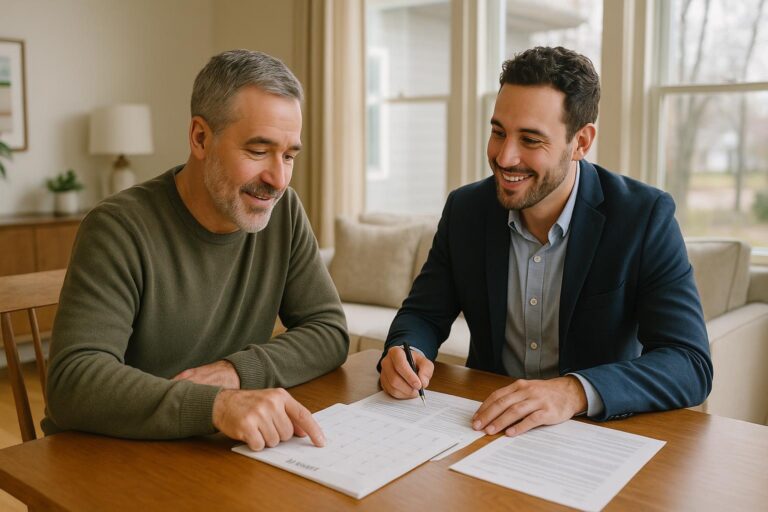
How to Choose a Closing Date When Selling Your Grand Rapids Home
When selling your Grand Rapids home, one of the most important decisions you’ll face is choosing a closing date. This single detail affects your move-out schedule, your next living arrangement, and the overall stress level of your sale. The right date can help everything line up smoothly, while a poorly chosen date can lead to last-minute scrambling or unexpected costs.
There isn’t a one-size-fits-all answer. Your closing date should fit your needs, work with your buyer’s requirements, and take into account all the moving parts of your sale and move. Here’s what to consider as you decide when your Grand Rapids home should close.
Quick Answer
Choosing a closing date when selling your Grand Rapids home means balancing your timeline, the buyer’s needs, and any outside factors like your next move or repairs. The right date should allow you enough time to pack, move, and handle any final details, while also fitting the buyer’s financing and inspection schedule.
Be prepared for some negotiation, and remember that flexibility can help, but you don’t have to accept a date that creates unnecessary problems for you. If you’re dealing with this, I’m happy to walk through it with you.
Start with Your Own Timing and Move-Out Needs
Before you agree to a closing date, consider your own move-out schedule. If you’re buying another home, you’ll want to coordinate both transactions so you’re not left without a place to stay or juggling two properties. If you’re renting, relocating for work, or moving in with family, think about how much time you’ll need to pack, clean, and move out comfortably.
It’s wise to build in some buffer time. Surprises can pop up during inspections, appraisals, or the buyer’s loan process. Having a little flexibility in your timeline helps reduce stress if something takes longer than expected. If you need to close by a certain date for a new job or school schedule, make that clear from the start so it’s reflected in the purchase agreement.
Understand Buyer and Lender Requirements
Once you’re under contract, your buyer’s needs may affect the closing date as well. Buyers using a mortgage will need enough time for inspections, appraisal, and final loan approval. Cash buyers may be able to close sooner, but some may still request time for inspections or other contingencies.
It’s important to understand any lender or title company timeframes that might impact your date. For example, some loan programs or title processes require a certain number of days for review. If the buyer is requesting a very quick or distant closing date, ask questions so you understand their reasoning and whether it creates any risk or inconvenience for you.
Factor In Repairs, Inspections, and Appraisal Timing
If your purchase agreement includes inspection or appraisal contingencies, allow time for these steps to play out. Inspections may uncover issues that need to be addressed before closing. Some repairs can be completed quickly, while others may take longer due to contractor availability or weather conditions.
Appraisals are another timing factor, especially for financed buyers. If the appraisal identifies issues or the value comes in lower than expected, you may need extra time to resolve things. For more on how appraisals can affect your sale, see the Consumer Financial Protection Bureau’s guide to appraisals.
Want to Talk Through Your Situation?
If you’re weighing different closing date options or have a complicated move, let’s discuss what works best for you.
Schedule a Seller Consultation or call/text 616-916-9770.
Negotiate Possession and Temporary Occupancy
Sometimes, the closing date and the actual move-out date don’t match. If you need extra time after closing to move out, or if the buyer wants to move in immediately, you may need to negotiate a separate possession or occupancy agreement. This is especially useful if you’re waiting to close on your next home or need to coordinate movers, cleaners, or other services.
Discuss these details early so everyone knows what to expect. Terms like post-closing occupancy or early buyer possession should be clearly written in the agreement. Ask your real estate professional to explain your options and what risks or extra paperwork might be involved.
Review the Purchase Agreement Details Carefully
The closing date written in the purchase agreement is binding unless both sides agree to change it later. Make sure the date in the contract truly works for you before signing. If you’re concerned about needing more time, discuss this up front rather than hoping for flexibility later.
If something unexpected arises—like a repair delay, financing issue, or title problem—closing can sometimes be delayed by mutual agreement. However, it’s far less stressful to have a date that works for your situation from the start. Talk through possible timing scenarios with your agent to avoid last-minute surprises.
Jason’s take: In my experience, this can be one of the trickiest parts of the sale for Grand Rapids homeowners, especially if you’re buying and selling at the same time. One issue worth considering is how unexpected inspection findings or lender requirements can shift your timeline. I always recommend building in as much flexibility as possible, while still protecting your own move-out needs.
Grand Rapids Seller Example
For example, imagine a Grand Rapids homeowner who is preparing to sell while also buying a new house across town. They hope to close both transactions close together to avoid paying for two homes at once. However, inspection findings on their current home require a few repairs, and their buyer’s lender requests extra documentation. By allowing a little flexibility in the closing date, the seller is able to coordinate both moves with less stress. As a result, the seller feels more prepared to evaluate their options and adjust plans as needed if something changes before closing.
Grand Rapids Seller Market Insight
In my experience, Grand Rapids sellers face a wide range of closing date scenarios. The timing can depend on factors like season, the condition of the home, and whether major repairs or updates are needed. Sellers may want to consider how weather, school schedules, or contractor availability could affect their move-out plans. In some situations, the buyer’s loan type or the time needed for inspections and appraisals can also play a big role. The effect can depend on the specific property and timing, so planning ahead—and having backup options—can help avoid surprises. For more information about inspections and what to expect, see the CFPB’s home inspection guide.
Frequently Asked Questions About Selling in Grand Rapids
What if I need more time to move out after closing?
You may be able to negotiate a post-closing occupancy agreement, which lets you stay in the home for a set period after closing. Discuss this with your agent and be sure the agreement is written into the contract.
Can the closing date be changed after it’s set?
The closing date in the contract is binding unless both parties agree to an amendment. If issues arise, talk to your agent about your options and whether a change is possible.
What if my buyer requests a very quick closing?
If you’re not ready or a quick closing creates problems for your move, you can counter with a more practical date. Discuss your needs up front and make sure you’re comfortable with the timeline.
How do repairs or appraisal issues affect the closing date?
If repairs take longer than expected or the appraisal uncovers issues, the closing date may need to be adjusted by mutual agreement. Planning extra time can help reduce last-minute stress.
Related Grand Rapids Seller Resources
- Selling Your Grand Rapids Home: Managing Overlapping Mortgage Payments
- Selling Your Grand Rapids Home: How to Handle Buyer Possession Requests
- What to Know About Timing Your Grand Rapids Home Sale for the Best Price
Wondering What Your Grand Rapids Home Could Sell For?
Get a quick estimate of your home’s current value and a starting point for understanding where your property may fit in the market.

Industry Recognition
Jason is recognized by platforms and industry organizations including Zillow, Grand Rapids Magazine Real Estate All-Stars, and Real Producers for his work serving West Michigan buyers and sellers.
Jason also supports One More Moment, a nonprofit that grants wishes to adults with cancer, by donating $100 from every successful closing.
Professional Disclosure
Jason Pohlonski
Michigan Licensed Real Estate Salesperson
Verify Michigan License #6501386166
Brokerage: Keller Williams Grand Rapids East
Brokerage Office: 1555 Arboretum Dr. SE, Grand Rapids, MI 49546
Call or text: 616-916-9770
Schedule a 30-minute consultation
Email: jpohlonski@kw.com
This article reflects Jason’s experience working with homeowners, buyers, and sellers in Grand Rapids and surrounding communities at the time of publication. Real estate outcomes can vary depending on market conditions, property characteristics, pricing, buyer demand, financing terms, inspection results, appraisal results, and contract terms.
This article is for general informational purposes only and is not legal, tax, financial, insurance, engineering, inspection, appraisal, or property-condition advice. Sellers should confirm legal, tax, inspection, appraisal, title, disclosure, and property-specific questions with the appropriate qualified professionals.