How Should Grand Rapids Buyers Evaluate School Proximity When House Hunting?
If you’re house hunting in Grand Rapids and have kids—or might in the future—school proximity is probably high on your list. But how close is “close enough,” and what should you really be thinking about beyond just distance to the nearest school?
Quick Answer
When buying a home in Grand Rapids, evaluating school proximity means looking at more than just miles on a map. Consider walkability, bus routes, traffic patterns, and how school boundaries impact your address.
In practice, being near a sought-after school can affect everything from daily routines to resale potential. If you’re dealing with this situation, I’m happy to walk through it with you.
Know What “Proximity” Really Means for Your Family
Start by thinking about how your family would use the nearby school. Are you picturing your kids walking to class, riding the bus, or will you be doing daily drop-offs? Each scenario has a different impact on what “close” actually means for your lifestyle. For some, being within a half-mile and on a safe walking route is ideal. For others, a short drive or reliable bus service is perfectly fine.
Also, consider how school boundaries are drawn in Grand Rapids. Sometimes a home just a block away from one school is actually zoned for another. It’s important to verify the specific address with the local district before making an offer, since boundaries can shift. The school district’s website or a quick call to their office can help you confirm current assignments.
Weigh Trade-Offs: Price, Noise, and Daily Life
Homes closest to desirable schools in Grand Rapids may come with higher price tags or increased competition. That’s not always the case, but it’s something to keep in mind when balancing your budget with your location wish list. Proximity to a school can also mean more street activity, especially during drop-off and pick-up times.
Think about your tolerance for extra traffic, noise, and parking limitations during the school year. For some families, the convenience outweighs the hassles. For others, being a few blocks farther away offers a quieter environment without sacrificing too much convenience.
Want to Talk Through Your Situation?
Every family’s needs are different when it comes to school proximity in Grand Rapids. If you want to discuss your specific school or neighborhood questions, I’m happy to help you sort through the details.
Schedule a Buyer Consultation or call/text 616-916-9770.
Check Walkability and Transportation Options
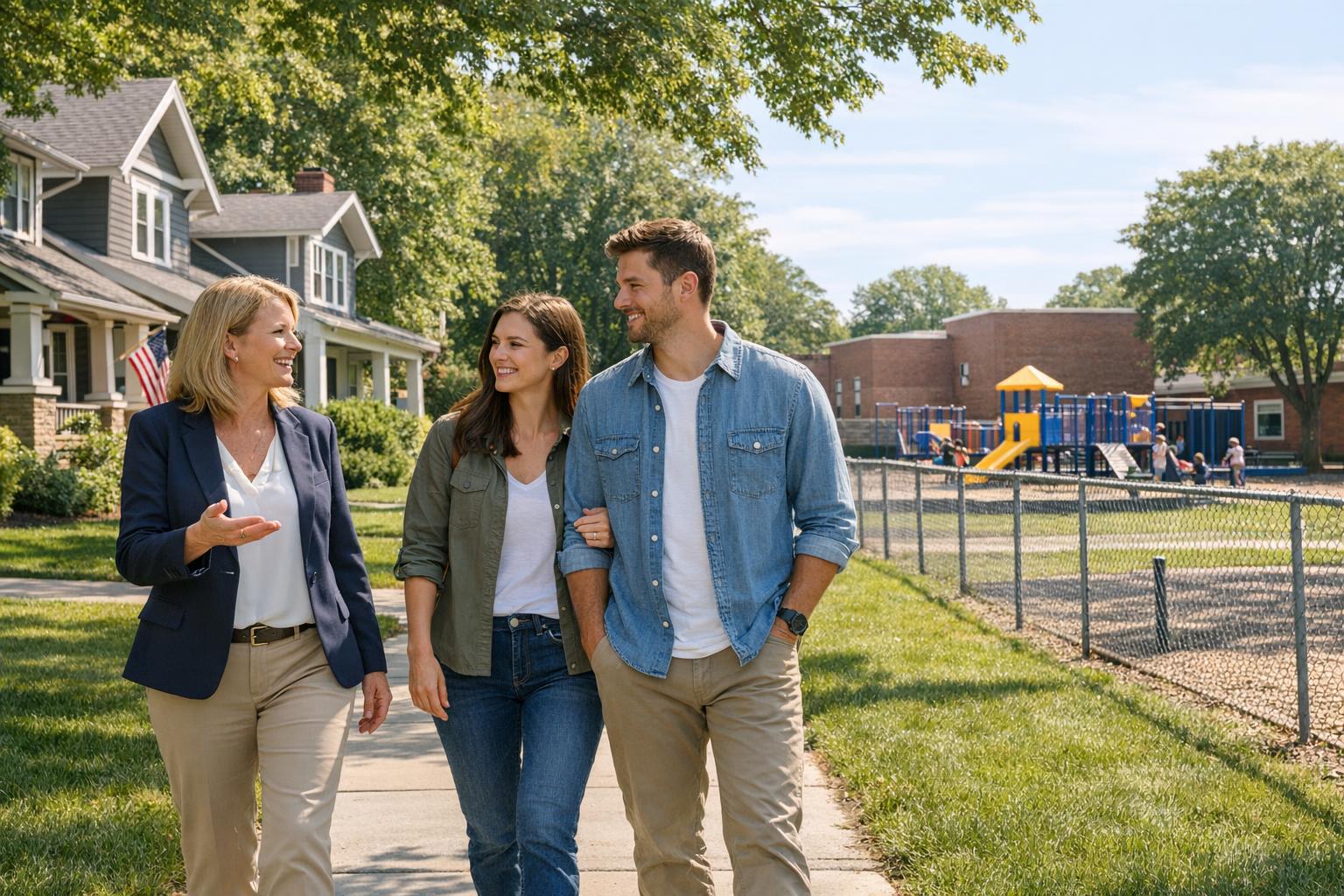
Even if a school is close by, safe and practical walking or biking routes matter. Some Grand Rapids neighborhoods have sidewalks and crosswalks that make walking realistic, while others may have busy roads or limited pedestrian paths. It’s worth driving or walking the route yourself—preferably at the same time of day your kids would be traveling—to see what the experience is really like.
Also, check with the school district about bus service. Some schools have strict distance requirements for bus eligibility, and not every address is included. If you’ll be relying on bus transportation, make sure your potential home is covered. A quick call to the transportation office can clear up any questions.
Jason’s take: In my experience, it’s worth double-checking school boundaries and transportation policies before making an offer—surprises here can cause headaches down the road.
Consider Long-Term Resale and Community Factors
Proximity to well-regarded schools is something many future buyers will also care about. While there’s no guarantee it will mean a higher resale value, it can potentially help your home appeal to a wider pool of buyers down the road. Think about whether the school is stable, has a good reputation, and if there have been recent or planned changes to boundaries or ratings.
Also, take a look at the community around the school. Are there parks, playgrounds, and after-school activities nearby? Does the neighborhood feel safe and welcoming? These factors can make day-to-day living more enjoyable and may matter just as much as the school’s actual distance from your front door.
Grand Rapids Buyer Example
For example, imagine a Grand Rapids buyer who finds two homes they like—one is right next to a popular elementary school, the other is about a mile away but still within the same district. The closer home means a quick walk to school but also has busier morning traffic and less privacy. The home farther away is quieter and a bit less expensive, but would require a short drive or bus ride for the kids. This buyer might weigh their priorities: convenience and walkability versus price and daily noise level, before deciding which trade-off fits their lifestyle best.
Grand Rapids Buyer Market Insight
In Grand Rapids, school boundaries can change, and different neighborhoods can have very different traffic patterns, even within the same district. I tend to see buyers ask about both current school assignments and whether any changes are on the horizon, especially when considering homes near district borders. If you’re relocating, it’s a good idea to check with both the school district and city about future development or road projects that could affect the area.
Weather is another practical factor. For families who want kids to walk or bike, remember that West Michigan winters can make some routes less practical. Having a backup plan for snowy or icy days—like bus options or carpooling—can make a big difference in your decision.
Frequently Asked Questions About Buying in Grand Rapids
How do I verify which school my address is assigned to?
Check the local school district’s website or call their office directly. They can confirm which schools are assigned to a specific address and update you on any pending boundary changes.
Does being closer to a school always mean higher resale value?
Not always, but being near a well-regarded school can increase appeal for some buyers. Resale potential depends on many factors, including the school’s reputation and neighborhood trends.
What if my preferred school is at capacity?
Some Grand Rapids schools have enrollment caps or lottery systems. It’s important to ask about current policies if you’re targeting a specific building or program, and to have a backup plan in case your child is waitlisted.
Are there resources to help evaluate schools in Grand Rapids?
Besides visiting schools in person, you can look at the district’s website for academic performance data. For more on what to consider when buying a home, see the Consumer Financial Protection Bureau’s home buying guide.
Related Grand Rapids Buyer Resources
- When to Contact a Buyer’s Agent for Your First Home in Grand Rapids
- What Should Grand Rapids Buyers Know About Down Payment Options?
- Maximizing Virtual Tours for Selling Your Grand Rapids Home

Industry Recognition
Jason is recognized by platforms and industry organizations including Zillow, Grand Rapids Magazine Real Estate All-Stars, and Real Producers for his work serving West Michigan buyers and sellers.
Jason also supports One More Moment, a nonprofit that grants wishes to adults with cancer, by donating $100 from every successful closing.
Professional Disclosure
Jason Pohlonski
Michigan Licensed Real Estate Salesperson
Verify Michigan License #6501386166
Brokerage: Keller Williams Grand Rapids East
Brokerage Office: 1555 Arboretum Dr. SE, Grand Rapids, MI 49546
Call or text: 616-916-9770
Schedule a 30-minute consultation
Email: jpohlonski@kw.com
This article reflects Jason’s experience working with buyers and sellers and market conditions in Grand Rapids and surrounding communities at the time of publication. Real estate outcomes can vary depending on market conditions, property characteristics, buyer demand, financing terms, inspection results, appraisal results, and lender requirements.
This article is for general informational purposes only and is not legal, tax, financial, insurance, engineering, inspection, or floodplain determination advice. Buyers and sellers should consult qualified professionals before making decisions involving financing, insurance, inspections, taxes, legal issues, or property risk.