How do I handle leaving furniture behind when selling my Grand Rapids home?
If you’re selling your Grand Rapids home and wondering what to do with furniture you don’t want to take with you, you’re not alone. Sometimes it’s not practical or cost-effective to move everything, and the question of what to leave behind can create real uncertainty. This decision can affect your closing, your moving process, and even the terms of your sale.
It’s important to think through your options before assuming you can simply leave furniture for the next owner. There are practical, contractual, and logistical factors to weigh—especially if you want to avoid last-minute surprises or disputes.
Quick Answer
If you want to leave furniture behind when selling your Grand Rapids home, you’ll need to make sure it’s clearly agreed upon with the buyer and included in your purchase agreement. Unwanted items left without consent can cause headaches at closing or even legal issues later.
If you’re dealing with this, I’m happy to walk through it with you.
Deciding Which Furniture (If Any) to Leave
Start by making a list of the items you’re considering leaving behind. Ask yourself whether these pieces are valuable, in good condition, or still useful—or if you simply want to avoid the hassle and cost of moving them. Be honest about whether they add appeal to the home or are more likely to be considered clutter.
If you’re thinking about leaving larger items, such as sofas or bedroom sets, consider how they affect the home’s appearance for showings and photos. Sometimes, staged or lightly furnished homes present better, but worn or outdated furniture can detract from your listing. If you aren’t sure, ask your real estate professional for feedback on what helps or hurts the home’s presentation.
Jason’s take: In my experience, when a seller is unsure about certain items, it’s better to clarify those decisions before listing. This can avoid confusion with buyers and help keep your move organized.
What Needs to Be in Writing?
If you want to leave furniture for the buyer, it must be specifically included in the purchase agreement. This isn’t just a handshake deal or a conversation at closing. Written agreements protect both you and the buyer from misunderstandings about what stays and what goes.
Make sure to list each item clearly. General language like “all furniture stays” can lead to confusion. Instead, specify “living room sofa,” “dining table and four chairs,” or whatever you plan to leave. If the buyer hasn’t agreed in writing, you’ll be expected to remove all personal property before closing.
Jason’s take: One issue worth considering is that leaving furniture behind without buyer agreement can delay closing. I’ve seen last-minute cleanouts become stressful and costly. Clear communication up front can prevent this.
What If the Buyer Doesn’t Want the Furniture?
If the buyer doesn’t want the furniture, you’ll need to remove it before closing. This means planning ahead for hauling, donation, or disposal. Some buyers may be open to negotiating for certain pieces, especially if they’re high quality or fit the home well, but others may see it as a hassle to get rid of items they didn’t choose.
If you’re unable to remove the furniture yourself, local donation centers, junk removal services, or charitable organizations may be options. Costs and pickup times can vary, so start the process early to avoid last-minute stress. It’s better to have a plan than to scramble just before closing.
Want to Talk Through Your Situation?
If you’re not sure how to handle furniture when selling your Grand Rapids home, let’s discuss what works for your timeline and goals.
Schedule a Seller Consultation or call/text 616-916-9770.
Coordinating Furniture Removal and Possession Timing
Possession timing can be a key factor. If you’re moving out before closing, you’ll need to coordinate when the home will be empty, cleaned, and ready for the buyer. If there’s early possession, make sure any furniture left behind is clearly agreed upon so there are no disputes about personal property.
Ask your real estate professional to review your move-out checklist and confirm what needs to be done before closing. This can help you avoid delays or last-minute negotiations. If you need extra time to remove furniture, discuss possible solutions before accepting an offer—sometimes a short post-closing occupancy or negotiated time frame can help.
Grand Rapids Seller Example
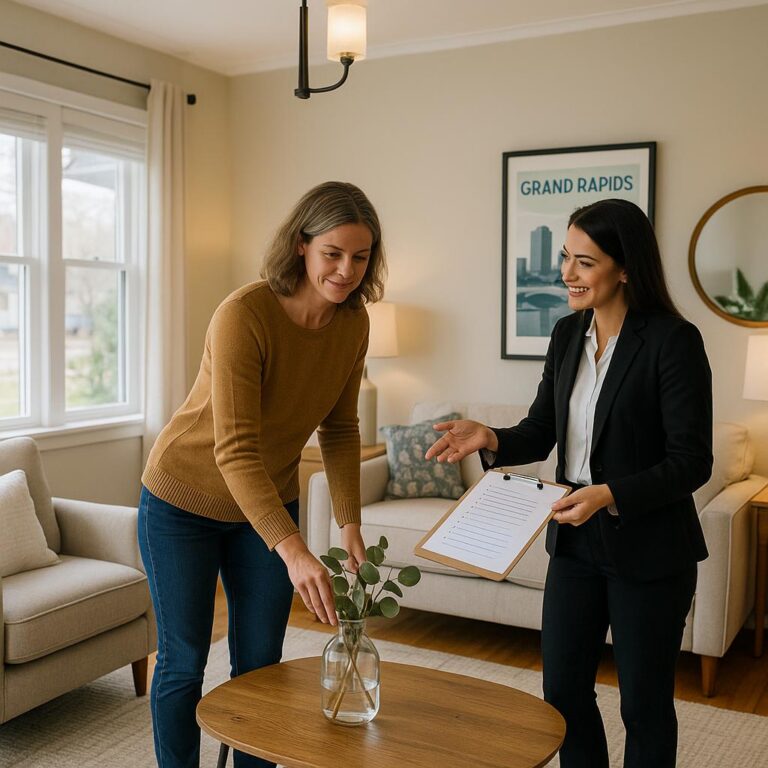
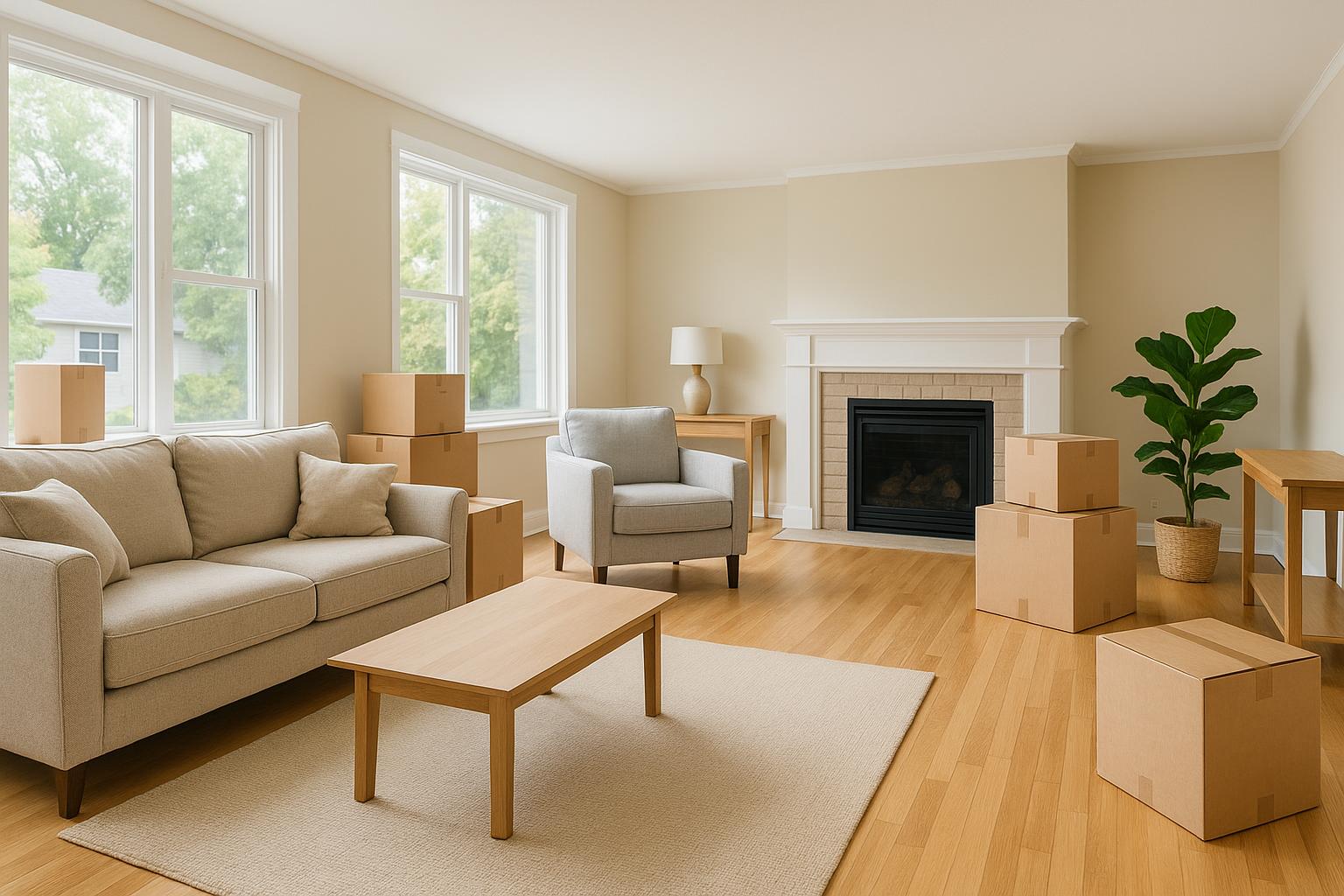
For example, imagine a Grand Rapids homeowner who is downsizing and doesn’t want to move a large sectional sofa and dining set. The seller asks their real estate professional if it’s possible to leave these items for the next owner. Together, they review whether these pieces enhance the home’s presentation or could be a burden. After discussing with a potential buyer, it turns out the buyer only wants the dining set. The seller and buyer agree in writing to leave the dining set and arrange for the sofa to be removed before closing. By sorting out the details early, the seller is prepared for a smoother move and avoids last-minute surprises.
Grand Rapids Seller Market Insight
In my experience, the decision to leave furniture behind in a Grand Rapids home sale can depend on several factors—such as the style and condition of the property, the seller’s moving schedule, and the buyer’s own plans. Sellers may want to consider how leaving furniture could affect the home’s presentation, the timing of possession, and any post-closing obligations. The effect can depend on the specific transaction and property type. Open communication and clear agreements are especially important, since possession timing and included items can affect the seller’s timeline and the buyer’s expectations. If you’re facing a unique situation, it’s smart to plan ahead and discuss your options with a local real estate professional.
Frequently Asked Questions About Selling in Grand Rapids
Can I just leave unwanted furniture in my Grand Rapids home after selling?
Unless the buyer agrees in writing to keep specific items, you’ll usually be expected to remove all personal property before closing. If you’re unsure, check with your real estate professional or attorney before leaving anything behind.
How should I list furniture to be included in the sale?
List each item clearly in the purchase agreement—such as “living room sofa” or “bedroom dresser.” Vague descriptions can create confusion at closing.
What if my buyer changes their mind about furniture after we’ve agreed?
If the buyer changes their mind before closing, you may need to adjust the agreement or arrange for removal. Confirm any changes in writing and consult your real estate professional if issues arise.
Are there services in Grand Rapids to help remove or donate furniture?
Yes, there are donation centers, junk removal, and local charities that may assist with furniture removal. Costs, pickup times, and availability can vary, so plan ahead to fit your moving schedule.
Related Grand Rapids Seller Resources
- How can I prepare my Grand Rapids home to minimize moving stress before selling?
- How do I handle possession and moving out after selling my Grand Rapids home if the buyer requests early occupancy?
- How can I prepare my Grand Rapids home for sale if I’m planning to downsize?
Wondering What Your Grand Rapids Home Could Sell For?
Get a quick estimate of your home’s current value and a starting point for understanding where your property may fit in the market.
About the Author
Jason Pohlonski is a Michigan licensed real estate salesperson with Keller Williams Grand Rapids East. He helps buyers and sellers throughout Grand Rapids, East Grand Rapids, Forest Hills, Ada, Byron Center, Jenison, Cascade, and surrounding West Michigan communities.
Jason began his real estate career in Chicago in 2004, later expanding his experience in Ann Arbor from 2014 to 2019, and has been serving clients in the Grand Rapids area since 2019.
With over 20 years of combined real estate experience across multiple markets, Jason focuses on helping clients make clear real estate decisions involving pricing, offer terms, inspections, appraisals, relocation timing, and buy-sell planning.
Industry Recognition
Jason is recognized by platforms and industry organizations including Zillow, Grand Rapids Magazine Real Estate All-Stars, and Real Producers for his work serving West Michigan buyers and sellers.
Jason also supports One More Moment, a nonprofit that grants wishes to late-stage cancer patients, by donating $100 for every successful closing.
Professional Disclosure
Jason Pohlonski
Michigan Licensed Real Estate Salesperson
License Verification: Verify Michigan License #6501386166
Brokerage: Keller Williams Grand Rapids East
Brokerage Office: 1555 Arboretum Dr. SE, Grand Rapids, MI 49546
📱 Call or text: 616-916-9770
📅 Schedule consultation:
https://calendly.com/pohlonskirealestate/30min
📧 Email: jpohlonski@kw.com
This article reflects Jason’s experience working with buyers and sellers and market conditions in Grand Rapids and surrounding communities at the time of publication. Real estate outcomes can vary depending on market conditions, property characteristics, buyer demand, financing terms, inspection results, appraisal results, and lender requirements.
This article is for general informational purposes only and is not legal, tax, financial, insurance, engineering, inspection, or floodplain determination advice. Buyers and sellers should consult qualified professionals before making decisions involving financing, insurance, inspections, taxes, legal issues, or property risk.