How Do I Handle Contract Contingencies When Buying a Grand Rapids Home?
When you buy a home in Grand Rapids, contract contingencies can make or break your deal—and how you handle them affects your risk, your negotiating power, and your shot at winning the house you want. If you’re wondering what contingencies actually mean for your offer, or how to use them wisely (without missing out on the home), here’s what you need to know for the Grand Rapids market.
Quick Answer
In Grand Rapids, contract contingencies—like inspection, appraisal, and financing—are legal “escape hatches” that protect you if something goes wrong before closing. You need to balance protecting yourself with making your offer attractive to sellers, especially in a competitive market.
The best approach is to understand which contingencies are standard, how to use them strategically, and when (and how) you might safely waive or modify them. If you’re dealing with this situation, I’m happy to walk through it with you.
Understanding the Inspection Contingency
The inspection contingency is the most common and important one for Grand Rapids buyers. It lets you back out or renegotiate if the home inspection uncovers serious problems—think roof leaks, foundation cracks, or unsafe electrical. In most cases, you’ll have 7–10 days after the offer is accepted to complete inspections and make requests.
Jason’s take: In Grand Rapids’ $250k–$400k price range, sellers expect buyers to ask for minor repairs but rarely agree to large dollar concessions unless the issue is major or uninsurable. If you’re buying in a hot neighborhood like Alger Heights or Forest Hills, keeping your inspection timeline tight (5–7 days) shows you’re serious but still protects you.
Appraisal and Financing Contingencies: Managing Risk
Most Grand Rapids buyers use conventional, FHA, or VA loans, which come with both appraisal and financing contingencies. The appraisal contingency protects you if the home’s appraised value comes in lower than your offer, while the financing contingency covers you if your loan falls through for reasons outside your control. If the home doesn’t appraise, you can try to renegotiate the price, pay the difference, or walk away without penalty. Learn more about appraisals from the Consumer Financial Protection Bureau.
Jason’s take: In multiple-offer situations, some Grand Rapids buyers waive the appraisal gap (agreeing upfront to cover a shortfall out of pocket) to compete. Only do this if you’re certain you have the extra funds—otherwise, you’re putting your earnest money at risk.
Contingency Timing: How Fast Should You Move?
In Grand Rapids, the speed of your contingency deadlines can affect whether your offer is accepted. Sellers prefer quick, clean timelines. As a rule of thumb: keep your inspection period to 5–7 days if you’re comfortable, and match your financing and appraisal deadlines to your lender’s standard (usually 21–30 days).
If you’re relocating or need more time, communicate that upfront. A clear, specific timeline in your offer reassures sellers you’re organized and ready to close. For detailed timing tips, check out Fannie Mae’s appraisal process guide.
Waiving or Modifying Contingencies: What’s Safe in Grand Rapids?
Some buyers consider waiving contingencies to win bidding wars—especially inspection or appraisal gaps. In Grand Rapids, this can help in hot price ranges ($250k–$400k), but it’s not always wise. Waiving the inspection contingency completely is risky unless you’re buying a newer home or have already reviewed a pre-listing inspection.
The smarter play is often to limit your inspection to “major items only” or cap repair requests at a certain dollar amount. This tells sellers you’re not going to nickel-and-dime minor issues, but you’re still protected from big surprises. If you’re unsure, ask your agent (or me) to walk through the pros and cons for your specific situation.
Real Buyer Case Study
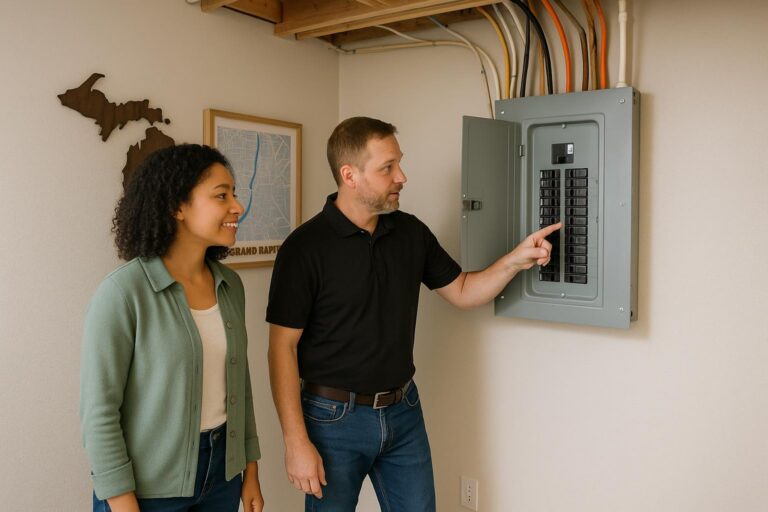
Last spring, I helped a first-time buyer in the Eastown area (mid-$300k range) compete with five other offers. We kept the inspection contingency but limited requests to “health and safety only,” set a 5-day inspection window, and included a small appraisal gap guarantee. This made our offer stand out as serious but not reckless. The inspection found a small electrical panel issue, which we negotiated a $1,000 seller credit for. The deal closed on time—and my client avoided both overpaying and taking on hidden repairs.
Grand Rapids Buyer Market Insight
In the $250k–$400k price range, multiple offers are common in walkable neighborhoods and top school districts like Forest Hills, East Grand Rapids, and Byron Center. Buyers often shorten inspection timelines or modify contingencies to be competitive, but very few truly waive all protections. Sellers still expect most buyers to keep at least inspection and financing contingencies in place, though the specifics are often negotiated.
Frequently Asked Questions About Buying in Grand Rapids
What’s the most important contingency to keep?
The inspection contingency is usually the most important for Grand Rapids buyers—it protects you from expensive surprises and unsafe conditions.
Can I get my earnest money back if I use a contingency?
Yes, if you follow the contract deadlines and give proper notice, your earnest money is typically refunded if you exit due to a valid contingency.
Should I ever waive the inspection contingency?
Waiving it is risky. In Grand Rapids, you might shorten or limit it (for competitiveness), but rarely is it wise to waive it completely unless you have strong reasons.
How do contingencies affect my offer’s strength?
Fewer or shorter contingencies can make your offer more attractive to sellers, but you need to balance that with protecting yourself from costly risks.
Related Grand Rapids Buyer Resources
- Should I Buy a Grand Rapids Home With a Finished or Unfinished Basement?
- Should You Sell Your Grand Rapids Home Before Buying Up?
- Jenison Weekly Market Report: September 6, 2026
About the Author
Jason Pohlonski
is a Michigan licensed real estate salesperson with Keller Williams Grand Rapids East. He helps buyers and sellers throughout Grand Rapids, East Grand Rapids, Forest Hills, Ada, Byron Center, Jenison, Cascade, and surrounding West Michigan communities.
Jason began his real estate career in Chicago in 2004, later expanding his experience in Ann Arbor from 2014 to 2019, and has been serving clients in the Grand Rapids area since 2019.
With over 20 years of combined real estate experience across multiple markets, Jason focuses on helping clients make clear real estate decisions involving pricing, offer terms, inspections, appraisals, relocation timing, and buy-sell planning.
Industry Recognition
Jason is recognized by platforms and industry organizations including Zillow, Grand Rapids Magazine Real Estate All-Stars, and Real Producers for his work serving West Michigan buyers and sellers.
Jason also supports One More Moment, a nonprofit that grants wishes to late-stage cancer patients, by donating $100 for every successful closing.
Professional Disclosure
Jason Pohlonski
Michigan Licensed Real Estate Salesperson
License Verification: Verify Michigan License #6501386166
Brokerage: Keller Williams Grand Rapids East
Brokerage Office: 1555 Arboretum Dr. SE, Grand Rapids, MI 49546
📱 Call or text: 616-916-9770
📅 Schedule consultation:
https://calendly.com/pohlonskirealestate/30min
📧 Email: jpohlonski@kw.com
This article reflects real client experiences and market conditions in Grand Rapids and surrounding communities at the time of publication. Real estate outcomes can vary depending on market conditions, property characteristics, buyer demand, financing terms, inspection results, appraisal results, and lender requirements.
This article is for general informational purposes only and is not legal, tax, financial, insurance, engineering, inspection, or floodplain determination advice. Buyers and sellers should consult qualified professionals before making decisions involving financing, insurance, inspections, taxes, legal issues, or property risk.