How Do I Choose Between Two Homes in Grand Rapids?
If you’re torn between two homes in Grand Rapids, you’re not alone. Buyers here often find themselves weighing the pros and cons of two great options—especially in popular neighborhoods or when inventory is tight. The best way to choose is to break down each home’s features, location, condition, and financial factors, then look at which fits your needs, lifestyle, and offer strategy best.
Quick Answer
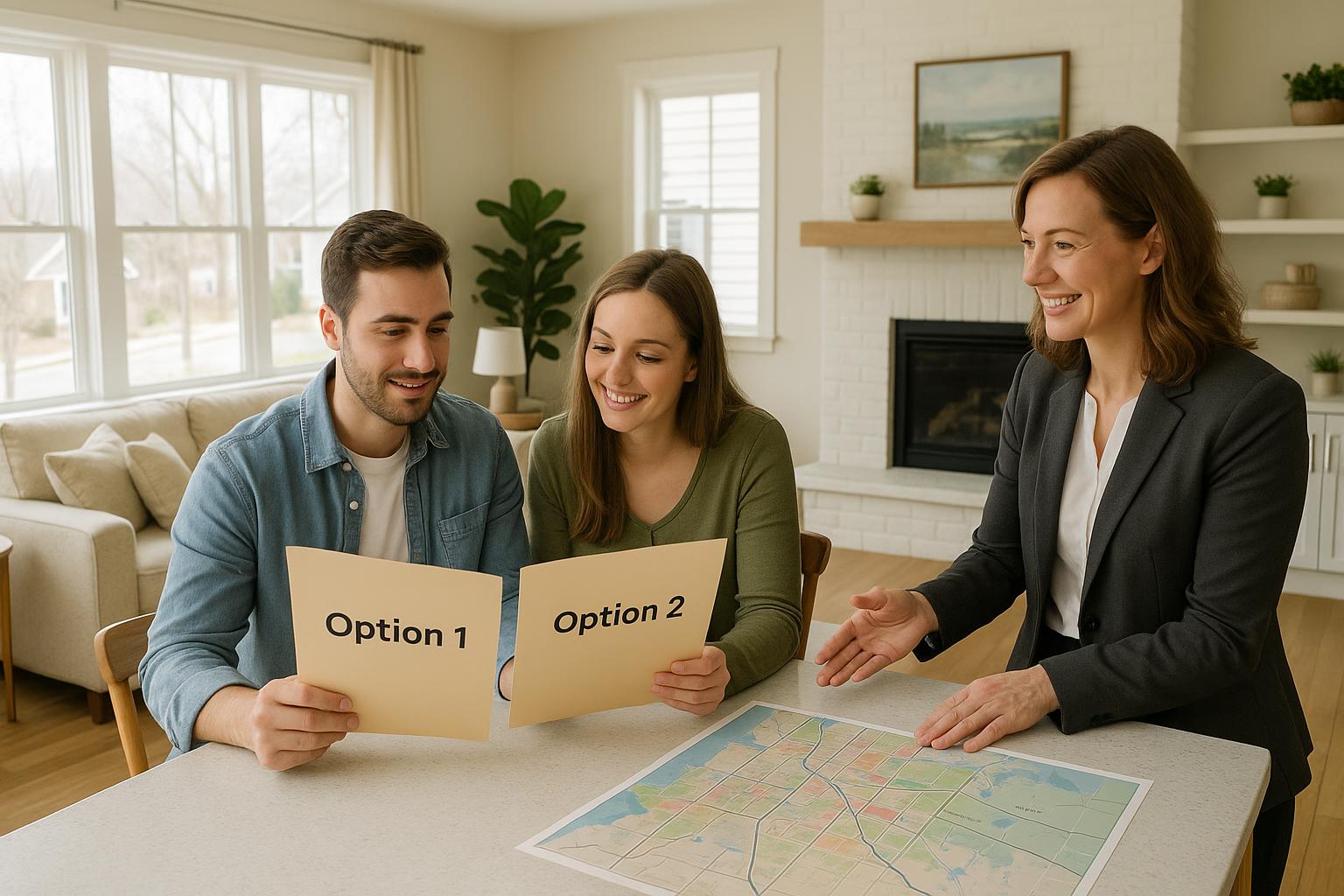
Start by making a side-by-side comparison of what matters most to you: location, features, condition, and resale potential. In Grand Rapids, buyers usually pick the home that fits their lifestyle and long-term plans, but the strength of your offer and timing can also tip the scales—especially if you’re competing with other buyers.
When two homes seem equally good, I recommend walking each one again, talking through “what if” scenarios, and considering how each fits your day-to-day. If you’re dealing with this situation, I’m happy to walk through it with you.
1. Location and Neighborhood Fit
Location is the first thing I ask buyers to compare when choosing between two homes in Grand Rapids. Think about your daily commute, school preferences, access to parks, and even which side of the river you prefer. For example, if one home is in Eastown and the other in Alger Heights, your commute, walkability, and neighborhood vibe will be different.
Jason’s take: In my experience, buyers who prioritize location over features are usually happier long-term. You can update a kitchen, but you can’t move the house. Grand Rapids neighborhoods vary a lot in price and feel, so take the time to walk or drive the area at different times of day.
2. Features, Layout, and Future Needs
Next, compare the must-have features and the layout of each home. Is the kitchen flow right for how you live? Do you need a fenced yard, home office, or finished basement? In Grand Rapids, older homes might have more character but less storage, while newer builds might offer open layouts and energy efficiency.
Make a quick list of your non-negotiables and “nice-to-haves.” It can help to use a simple scoring sheet or checklist. For a practical framework, I suggest rating each home on a scale of 1–5 for categories like kitchen, yard, bedrooms, and bonus spaces, then tally up the totals. This keeps emotions in check and helps clarify which home really fits your needs.
3. Condition, Maintenance, and Inspection Risk
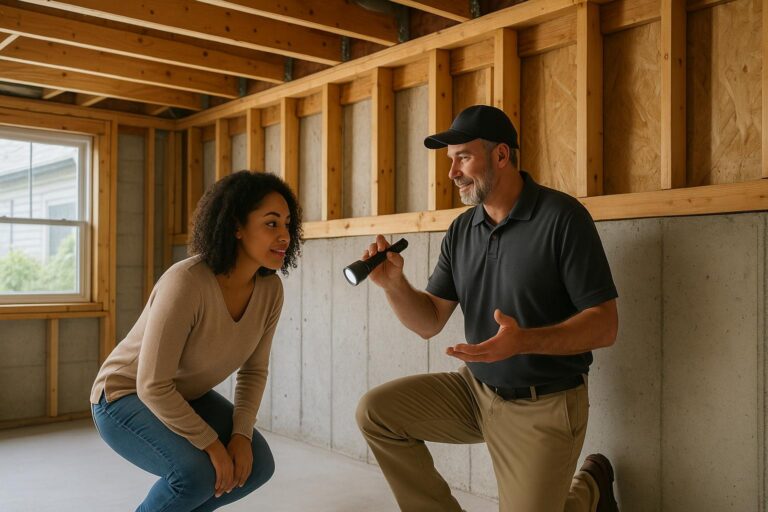
Condition can be a major tiebreaker. Review the ages of the roof, furnace, AC, and windows. In Grand Rapids, some homes look great on the surface but may have older mechanicals or signs of deferred maintenance. Be sure to factor in the likely costs of upcoming repairs or updates. For more on how inspections impact buyer decisions, see this recent post on timing Grand Rapids listings.
Jason’s take: I’ve seen buyers fall in love with a “move-in ready” home, only to discover after inspection that it needs more work than they thought. Always get detailed disclosures and plan to have a thorough inspection. If you’re comparing two homes, the one with fewer surprises is often the smarter pick—especially if you’re stretching your budget.
For more on what to look for in home condition and inspections, check out the CFPB’s home inspection guide.
4. Offer Strategy, Competition, and Financing
Finally, compare your odds of getting each home based on offer strength and competition. In some Grand Rapids neighborhoods—especially under $400,000—homes may receive multiple offers. If one home has been on the market longer, you may have more room to negotiate. If both have fresh listings, timing and offer terms can make a big difference.
Consider your financing and down payment. Stronger financing (conventional over FHA, for example) or a larger earnest money deposit can give you an edge. For more on how your offer terms affect your chances, see this post on Grand Rapids offer timing and the Fannie Mae first-time buyer guide.
Rule of thumb: If you’d be equally happy in both homes, lean toward the one where you can make the strongest, most competitive offer—or where you have less risk of losing out to another buyer.
Real Buyer Case Study
Last spring, I worked with a young couple relocating to Grand Rapids. They narrowed their search to two homes: a classic 1920s two-story in Heritage Hill ($375K) and a newer ranch in Forest Hills ($395K). Heritage Hill offered walkability and historic charm, but needed roof and window updates. The Forest Hills ranch was move-in ready, with a finished basement and newer mechanicals, but was further from downtown and had a longer commute. Both homes had multiple offers, but the Forest Hills seller was willing to negotiate on price and include a home warranty after inspection. The buyers chose Forest Hills, valuing move-in readiness and lower maintenance risk. They closed at $390K with peace of mind about upfront costs.
Grand Rapids Buyer Market Insight
In today’s Grand Rapids market, homes under $450,000 in popular school districts like Forest Hills, East Grand Rapids, and Rockford often see multiple offers within the first week. Buyers who know their priorities and can move quickly usually have an advantage. I’ve seen buyers use pre-inspections or escalation clauses to win out, but sometimes a strong, straightforward offer is still the best approach.
Frequently Asked Questions About Buying in Grand Rapids
What if both homes are in multiple-offer situations?
Compare the likely competition for each. Sometimes, one seller is more open to terms like flexible closing or inspection waivers. I’ll help you tailor your offer to each situation.
How do I weigh future resale value between two homes?
Focus on location, school district, and overall condition. Homes in high-demand neighborhoods or with updated systems tend to have stronger resale potential in Grand Rapids.
Should I pick the house that needs work if the location is better?
If you’re comfortable with renovations and have budget flexibility, it can pay off. But be realistic about costs and timelines—especially with older Grand Rapids homes.
How much should I budget for repairs if both homes need updates?
Get estimates for big-ticket items (roof, windows, mechanicals) before you decide. Inspections and contractor walk-throughs can help—budget at least $5K–$15K for typical updates.
Related Grand Rapids Buyer Resources
- How Much Should I Save for a Down Payment in Grand Rapids?
- How Proximity to Medical Mile Impacts Home Prices for Physicians
- Should I Wait for More Offers Before Accepting One on My Grand Rapids Home?
About the Author
Jason Pohlonski
is a Michigan licensed real estate salesperson with Keller Williams Grand Rapids East. He helps buyers and sellers throughout Grand Rapids, East Grand Rapids, Forest Hills, Ada, Byron Center, Jenison, Cascade, and surrounding West Michigan communities.
Jason began his real estate career in Chicago in 2004, later expanding his experience in Ann Arbor from 2014 to 2019, and has been serving clients in the Grand Rapids area since 2019.
With over 20 years of combined real estate experience across multiple markets, Jason focuses on helping clients make clear real estate decisions involving pricing, offer terms, inspections, appraisals, relocation timing, and buy-sell planning.
Industry Recognition
Jason is recognized by platforms and industry organizations including Zillow, Grand Rapids Magazine Real Estate All-Stars, and Real Producers for his work serving West Michigan buyers and sellers.
Jason also supports One More Moment, a nonprofit that grants wishes to late-stage cancer patients, by donating $100 for every successful closing.
Professional Disclosure
Jason Pohlonski
Michigan Licensed Real Estate Salesperson
License Verification: Verify Michigan License #6501386166
Brokerage: Keller Williams Grand Rapids East
Brokerage Office: 1555 Arboretum Dr. SE, Grand Rapids, MI 49546
📱 Call or text: 616-916-9770
📅 Schedule consultation:
https://calendly.com/pohlonskirealestate/30min
📧 Email: jpohlonski@kw.com
This article reflects real client experiences and market conditions in Grand Rapids and surrounding communities at the time of publication. Real estate outcomes can vary depending on market conditions, property characteristics, buyer demand, financing terms, inspection results, appraisal results, and lender requirements.
This article is for general informational purposes only and is not legal, tax, financial, insurance, engineering, inspection, or floodplain determination advice. Buyers and sellers should consult qualified professionals before making decisions involving financing, insurance, inspections, taxes, legal issues, or property risk.