How do I handle old plumbing when buying in Grand Rapids?
Old plumbing is one of the most common red flags buyers face in Grand Rapids, especially in homes built before 1960. If you’re considering a house with older pipes—like galvanized steel, cast iron, or even original copper—you need a clear plan. Old plumbing can mean higher repair costs, insurance issues, or future headaches, but it doesn’t have to be a deal breaker if you know what to expect and how to negotiate.
Quick Answer
If you’re buying a Grand Rapids home with old plumbing, start by having a licensed home inspector thoroughly evaluate the system—especially any visible galvanized or cast iron pipes, signs of leaks, or low water pressure. Ask for a plumber’s assessment if anything looks questionable, and get repair or replacement quotes before you finalize your offer or inspection contingency.
You can negotiate credits, repairs, or price adjustments based on what you find. Some buyers accept older plumbing if it’s functional, but factor in future replacement costs. If you’re dealing with this situation, I’m happy to walk through it with you.
Strategy 1: Know What Types of Old Plumbing Matter Most
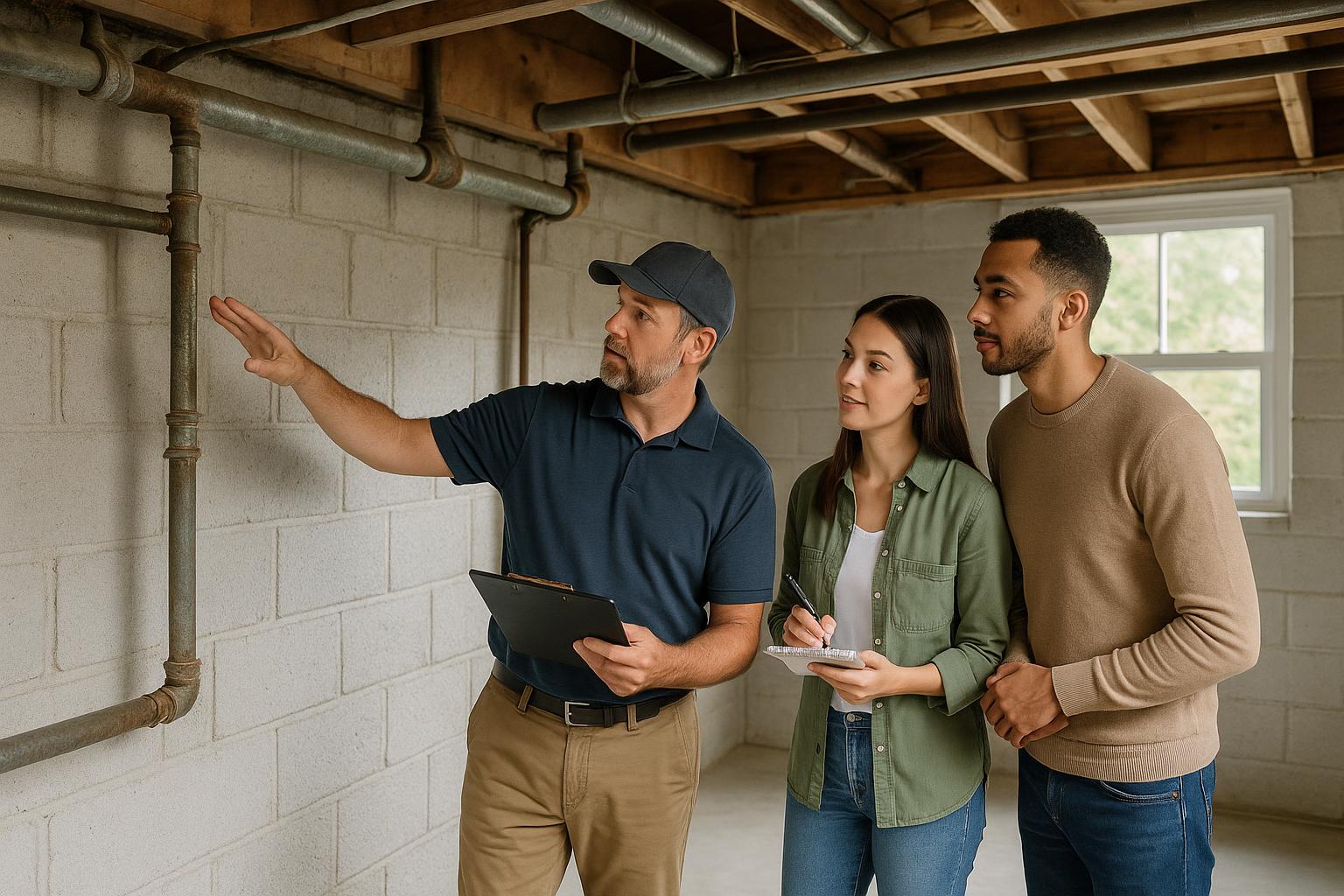
In Grand Rapids, you’ll often see three types of old plumbing: galvanized steel, cast iron, and early copper. Galvanized pipes—common until the 1960s—are prone to corrosion and internal buildup, which can cause low water pressure or even leaks. Cast iron, used for drain lines, can crack or develop pinhole leaks as it ages. Even copper, while usually more durable, can develop leaks at joints if it’s decades old or improperly installed.
Jason’s take: I always recommend buyers focus first on supply lines (the pipes carrying water into the house) and main drain stacks. Hidden leaks or slow drainage are bigger warning signs than just “old pipes.” Don’t assume everything needs replacement—target the riskiest sections first.
Strategy 2: Use Your Inspection and Contingency Period Wisely
Your home inspection is your best chance to uncover plumbing issues before you’re committed to the purchase. A thorough inspector in Grand Rapids will check visible pipes, test water pressure, run all faucets, and look for stains or corrosion. If the house is older and has a finished basement, ask if there are ways to inspect behind walls or in crawlspaces where plumbing is often hidden.
If the inspection reveals concerns, don’t be afraid to bring in a licensed plumber for a second opinion. Many buyers assume the seller will fix everything, but in Grand Rapids, it’s common for sellers to offer credits or partial repairs instead. Plan your requests based on actual quotes—not just inspection notes. For more on what to do after an inspection, see handling repair requests after the inspection.
Strategy 3: Calculate Replacement Costs and Insurance Impact
Replacing all plumbing in a typical Grand Rapids home can run $8,000–$20,000, depending on size, access, and whether walls need to be opened. But it’s rare that a full replacement is required right away—most buyers prioritize main supply lines or problem areas first. Always get quotes from local plumbers so you’re negotiating with real numbers.
Old plumbing can also affect your homeowner’s insurance. Some insurers will charge higher premiums or decline coverage on homes with galvanized pipes. Check with your insurance agent early, and ask if they’ll require updates before issuing a policy. The Consumer Reports guide on home insurance offers more detail on how insurers handle plumbing risks.
Jason’s take: I’ve seen buyers use insurance requirements as leverage in negotiations—if your carrier won’t cover the home without updates, that’s a strong case for a seller credit.
Strategy 4: Decide When to Walk Away (and When Not To)
Not every old plumbing system is a deal breaker, but there are times when it’s best to move on. If the house has visible leaks, widespread corrosion, or evidence of past water damage, the risk may outweigh the reward—especially if you’re stretching your budget. On the other hand, many older homes in Grand Rapids have had partial updates over time. If the main supply lines have been replaced and only a few branch lines remain old, you might decide to move forward and budget for future upgrades.
Rule of thumb: If repairs exceed 10% of the purchase price or the plumbing issues would prevent you from getting insurance, it’s usually time to reconsider your offer. But if you love the house and the issues are isolated, negotiate a fair credit and plan upgrades over time.
Real Buyer Case Study
Last year, I worked with buyers on a $280,000 home in Eastown with mostly original galvanized supply lines. The inspection found low water pressure and minor leaks. We brought in a plumber, who quoted $6,500 to replace the main lines and a few branch pipes. We negotiated a $5,000 seller credit, and the buyers completed the upgrade after closing. The key was getting real repair quotes during the inspection window and using those numbers in our negotiations.
Grand Rapids Buyer Market Insight
In the $200,000–$350,000 price range, homes with visible plumbing updates often attract more offers and sell faster—especially if they’re in desirable neighborhoods like Alger Heights or Creston. Buyers are more willing to overlook old plumbing if the rest of the home is move-in ready, but expect to compete less aggressively if major updates are needed. In multiple-offer situations, some buyers skip minor plumbing repairs to win the deal, but most still ask for credits if the issues are significant.
Frequently Asked Questions About Buying in Grand Rapids
Can I get a mortgage on a Grand Rapids home with old plumbing?
Yes, most lenders allow loans on homes with old plumbing as long as there are no active leaks or major safety issues. However, certain loan types (like FHA or VA) may require repairs if plumbing defects are noted during the appraisal. Always check with your lender for their specific requirements.
Will insurance companies cover homes with galvanized pipes?
Some insurance companies in Michigan will write policies on homes with galvanized pipes, but they may charge higher premiums or exclude certain types of water damage. It’s smart to get quotes before you finalize your purchase. The National Association of Insurance Commissioners has more on coverage questions.
Should I ask the seller to replace all old plumbing before closing?
In Grand Rapids, it’s more common for buyers to request a credit or partial repair than to require full replacement before closing. Sellers are often willing to negotiate, but full system replacements are rare unless the house is uninsurable or has major leaks.
How can I tell if plumbing is really a problem before I make an offer?
Look for signs like low water pressure, rusty water, visible corrosion, or stains on ceilings and walls. During showings, run all faucets and check the basement or crawlspace for leaks. A thorough inspection will give you a clearer picture.
Related Grand Rapids Buyer Resources
- What Should I Do If My Grand Rapids Home Has an Old Roof?
- What Should I Know About Flood Risk When Buying in Grand Rapids?
- How Do I Handle a Buyer’s Request for Repairs After the Inspection?
About the Author
Jason Pohlonski
is a Michigan licensed real estate salesperson with Keller Williams Grand Rapids East. He helps buyers and sellers throughout Grand Rapids, East Grand Rapids, Forest Hills, Ada, Byron Center, Jenison, Cascade, and surrounding West Michigan communities.
Jason began his real estate career in Chicago in 2004, later expanding his experience in Ann Arbor from 2014 to 2019, and has been serving clients in the Grand Rapids area since 2019.
With over 20 years of combined real estate experience across multiple markets, Jason focuses on helping clients make clear real estate decisions involving pricing, offer terms, inspections, appraisals, relocation timing, and buy-sell planning.
Industry Recognition
Jason is recognized by platforms and industry organizations including Zillow, Grand Rapids Magazine Real Estate All-Stars, and Real Producers for his work serving West Michigan buyers and sellers.
Jason also supports One More Moment, a nonprofit that grants wishes to late-stage cancer patients, by donating $100 for every successful closing.
Professional Disclosure
Jason Pohlonski
Michigan Licensed Real Estate Salesperson
License Verification: Verify Michigan License #6501386166
Brokerage: Keller Williams Grand Rapids East
Brokerage Office: 1555 Arboretum Dr. SE, Grand Rapids, MI 49546
📱 Call or text: 616-916-9770
📅 Schedule consultation:
https://calendly.com/pohlonskirealestate/30min
📧 Email: jpohlonski@kw.com
This article reflects real client experiences and market conditions in Grand Rapids and surrounding communities at the time of publication. Real estate outcomes can vary depending on market conditions, property characteristics, buyer demand, financing terms, inspection results, appraisal results, and lender requirements.
This article is for general informational purposes only and is not legal, tax, financial, insurance, engineering, inspection, or floodplain determination advice. Buyers and sellers should consult qualified professionals before making decisions involving financing, insurance, inspections, taxes, legal issues, or property risk.