What Home Condition Factors Should Grand Rapids Buyers Look For?
If you’re buying in Grand Rapids, you’re probably wondering: What home condition factors should I actually pay attention to? With every property looking different and older homes all over West Michigan, it’s easy to get overwhelmed. Here’s what matters most and how to approach it so you don’t end up with expensive surprises after closing.
Quick Answer
When evaluating home condition in Grand Rapids, focus on big-ticket items like the roof, foundation, mechanical systems (furnace, AC, electrical, plumbing), and signs of water issues. These areas can have the biggest impact on your budget and peace of mind.
Other factors—like cosmetic updates or older finishes—are less urgent unless they affect functionality or safety. A thorough inspection and asking the right questions will go a long way. If you’re dealing with this situation, I’m happy to walk through it with you.
1. Start With the Big Systems: Roof, Foundation, and Mechanical Components
The roof, foundation, furnace, air conditioning, electrical, and plumbing systems are the backbone of any home. In Grand Rapids, we see everything from 100-year-old houses to brand new builds, so the age and condition of these components can vary a lot. If any of these systems are near the end of their expected life or show signs of trouble, it can mean major costs down the road.
Look for clear signs of leaks, cracks, or patchwork repairs. Ask when the furnace or water heater was last replaced and whether the electrical has been updated. If you’re not sure, your home inspector is your best resource—they can spot problems that aren’t obvious during a showing. Here’s a helpful guide on what a home inspection covers.
2. Watch for Water Issues and Drainage Concerns
Water is one of the biggest enemies of homes in West Michigan, especially with our freeze-thaw cycles and heavy spring rains. Look for water stains on ceilings and walls, musty smells, or any sign of standing water in the basement or crawl space. Check gutters, downspouts, and grading around the house to see if water is being directed away from the foundation.
Mold and moisture can cause long-term damage and health concerns. If you notice anything suspicious, ask your inspector to take a closer look and consider consulting resources like the EPA’s guide on mold and moisture in homes.
Want to Talk Through Your Situation?
Every Grand Rapids home has its quirks. If you want to discuss what’s normal, what’s concerning, or how to prioritize repairs, let’s talk it through together.
Schedule a Buyer Consultation or call/text 616-916-9770.
3. Understand Cosmetic vs. Functional Concerns
It’s easy to get distracted by dated kitchens or worn carpet, but not all cosmetic issues are deal-breakers. Paint, flooring, and even kitchen updates are changes you can tackle over time. Focus your attention (and budget) on the things that affect the home’s structure, safety, and livability first.
A simple rule of thumb: If it impacts the way the house works, keeps you safe, or could lead to bigger problems if ignored, it deserves your attention right away. Cosmetic fixes can usually wait, unless they’re hiding deeper issues.
Jason’s take: In my experience, buyers who focus on structural and mechanical issues first usually end up with fewer regrets—cosmetic stuff is easier to change later on.
4. Don’t Overlook the Age and Type of the Home
Grand Rapids is known for its mix of historic homes, mid-century builds, and newer construction. The age and style of the home you’re considering will affect what you need to watch for. Older homes may have unique charm, but they can also come with things like knob-and-tube wiring, older plumbing materials, or settled foundations. Newer homes might be more energy-efficient but could have builder-grade materials that wear out faster.
Ask about any updates or renovations, and don’t hesitate to dig deeper into the permits and work history if something seems unclear. Your inspector can help flag potential concerns related to the home’s age and construction type.
Grand Rapids Buyer Example
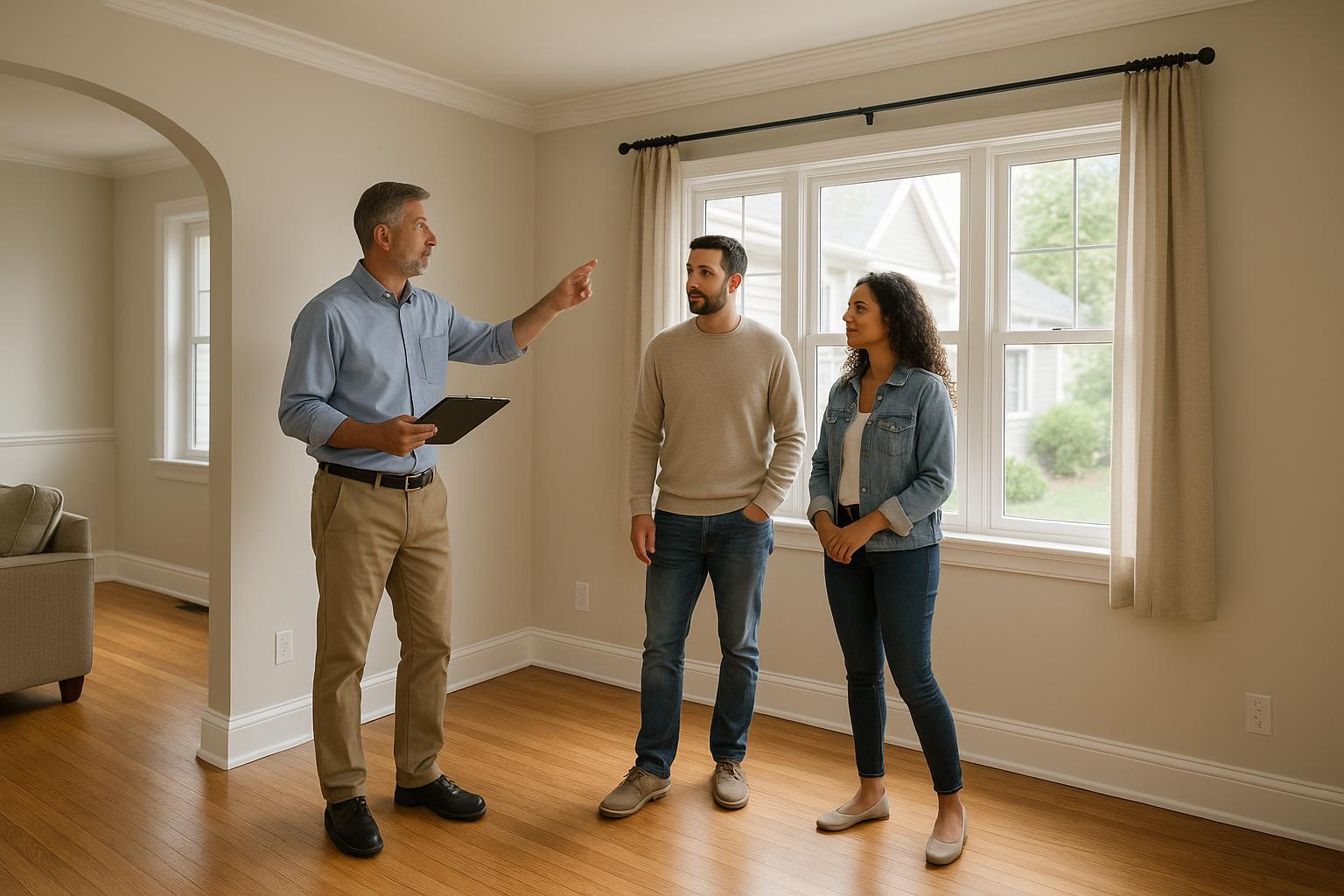
For example, imagine a Grand Rapids buyer who falls in love with a charming older home. During the inspection, the inspector points out an aging roof and some dampness in the basement. The buyer asks for more details and gets estimates for both issues. Depending on the seller’s flexibility, possible options may include negotiating repairs, discussing a credit, or deciding whether to move forward. This approach helps the buyer make an informed decision about whether the home’s overall condition fits their comfort level and budget.
Grand Rapids Buyer Market Insight
In Grand Rapids, homes can sit through some tough Michigan winters, so it’s smart to pay attention to how properties handle water and temperature swings. I find that buyers who ask about previous water issues, age of major systems, and any recent repairs or updates get a clearer picture of what they’re walking into. Weather can affect what’s visible during an inspection—for example, snow may hide roof or exterior problems—so ask your inspector if there’s anything seasonal you should follow up on once conditions change. Buyers may also want to discuss with their lender or insurance agent how certain condition factors could affect financing or coverage, especially with older homes.
Frequently Asked Questions About Buying in Grand Rapids
Should I skip the inspection if the home looks updated?
No—an updated appearance doesn’t guarantee the systems or structure are in good shape. An inspection is still important for spotting hidden issues.
What if I find a problem during inspection?
Depending on your purchase agreement, lender requirements, and the seller’s willingness, you may be able to request repairs, discuss a credit, arrange a follow-up inspection, or decide whether to proceed. Always clarify options with your agent and lender.
How can I tell if water issues are serious?
Look for visible stains, musty odors, or signs of repairs in basements and around windows. Your inspector can help you assess the severity and possible next steps.
Do older homes in Grand Rapids have special insurance or financing needs?
Some older homes may require additional review by insurance or lenders, especially if they have original wiring or plumbing. Check with your insurance agent and lender early in the process.
Related Grand Rapids Buyer Resources
- Should Grand Rapids Buyers Choose an FHA or VA Loan?
- Handling Buyer Financing Challenges When Selling Your Grand Rapids Home
- What Should Grand Rapids Condo Buyers Know About HOA Fees?

Industry Recognition
Jason is recognized by platforms and industry organizations including Zillow, Grand Rapids Magazine Real Estate All-Stars, and Real Producers for his work serving West Michigan buyers and sellers.
Jason also supports One More Moment, a nonprofit that grants wishes to adults with cancer, by donating $100 from every successful closing.
Professional Disclosure
Jason Pohlonski
Michigan Licensed Real Estate Salesperson
Verify Michigan License #6501386166
Brokerage: Keller Williams Grand Rapids East
Brokerage Office: 1555 Arboretum Dr. SE, Grand Rapids, MI 49546
Call or text: 616-916-9770
Schedule a 30-minute consultation
Email: jpohlonski@kw.com
This article reflects Jason’s experience working with buyers and sellers and market conditions in Grand Rapids and surrounding communities at the time of publication. Real estate outcomes can vary depending on market conditions, property characteristics, buyer demand, financing terms, inspection results, appraisal results, and lender requirements.
This article is for general informational purposes only and is not legal, tax, financial, insurance, engineering, inspection, or floodplain determination advice. Buyers and sellers should consult qualified professionals before making decisions involving financing, insurance, inspections, taxes, legal issues, or property risk.