What Key Issues Should Buyers Watch For During Grand Rapids Home Inspections?
When you’re buying a home in Grand Rapids, the inspection can feel like a big hurdle. You want to know what issues truly matter—and which ones are normal or fixable. Let’s break down what buyers should actually focus on during a local home inspection, so you can make a confident decision without getting bogged down in minor details.
Quick Answer
During a Grand Rapids home inspection, the main issues to watch for are major structural problems, roofing and water intrusion, electrical safety, plumbing leaks, and heating system condition. These can affect your safety, comfort, and potential repair costs.
Cosmetic flaws and minor repairs are common in most homes. Focus your attention on anything that could impact how the home functions or your ability to insure or finance it. If you’re dealing with this situation, I’m happy to walk through it with you.
Focus on the Big Stuff: Structure, Roof, and Water
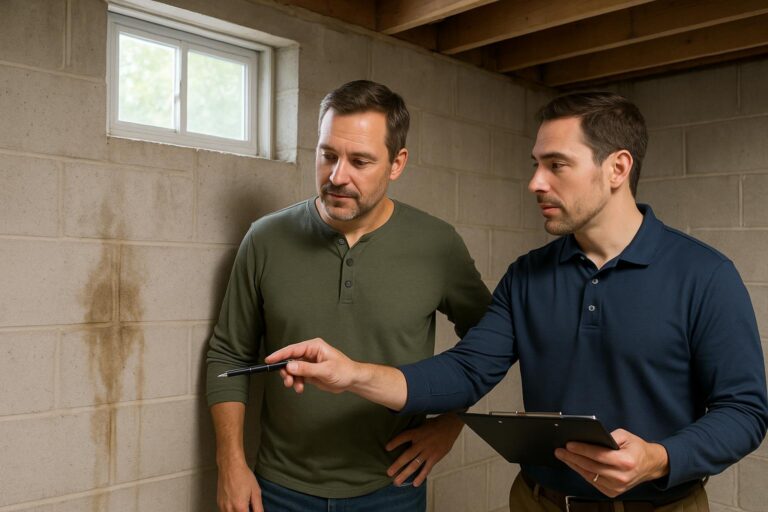
The most important things to watch during a Grand Rapids inspection are the major systems: foundation, roof, and any signs of water issues. Foundation cracks, sloping floors, or water in the basement aren’t always deal-breakers, but they are worth a closer look. These issues can be expensive to address, and they may affect your insurance or ability to get financing.
Roof condition matters, especially with our Michigan weather. Ask about the age and visible wear. Missing shingles, soft spots, or signs of leaking inside the attic should be taken seriously. Water intrusion—whether from the roof, windows, or foundation—can lead to bigger headaches like mold or rot if not handled properly. If your inspector finds high moisture or stains, it’s smart to get more information before moving forward.
Don’t Overlook Electrical, Plumbing, and HVAC
Older homes around Grand Rapids can have dated electrical panels, ungrounded outlets, or non-GFCI circuits in kitchens and baths. These aren’t always immediate hazards, but they can be expensive to upgrade and may be required for safety or insurance reasons. If you see knob-and-tube wiring or fuses instead of breakers, talk with your inspector about what it means for your plans.
Plumbing leaks under sinks, slow drains, or signs of corrosion on pipes can signal the need for repairs or replacement. Heating systems—especially older boilers or furnaces—should be checked for age and maintenance history. If the system looks past its prime or hasn’t been serviced, it’s worth a conversation about possible replacement costs and efficiency.
Want to Talk Through Your Situation?
Every inspection brings up questions unique to the house and your plans. If you’d like to talk through what matters most for your Grand Rapids purchase, I’m here to help you sort through the details.
Schedule a Buyer Consultation or call/text 616-916-9770.
What’s Normal—and What’s a Red Flag?
No home is perfect, and it’s easy to get overwhelmed by a long inspection report. Small cracks, minor drywall flaws, or sticky doors are common and usually not worth stressing over. What you really want to focus on are “red flag” items: anything that could affect safety, long-term value, or your ability to get insurance or a mortgage.
A simple rule of thumb: If a problem could cost more than you’re prepared to deal with, or it could impact your ability to use the home safely, flag it for further review. For example, a missing handrail is minor; active water leaking into the basement or an outdated electrical panel deserves more attention. Always ask your inspector to clarify what’s urgent versus what’s a maintenance item.
Jason’s take: In my experience, buyers get the best results when they focus on issues that affect the structure, safety, or livability of the home—not cosmetic fixes.
Next Steps: Negotiating and Deciding What Matters
After your inspection, review the findings with your agent and inspector. Decide which issues you want to address with the seller. Depending on your purchase agreement and the seller’s flexibility, you may be able to request repairs, a price reduction, a credit at closing, or—in some cases—decide to walk away if the issues are serious enough.
If you’re using financing, your lender may require certain repairs before closing, especially if they affect safety or the property’s value. Talk to your lender about any concerns raised in the inspection report. For a helpful overview of what to expect during this stage, check out the CFPB’s guide to home inspections.
Grand Rapids Buyer Example
For example, imagine a Grand Rapids buyer who schedules an inspection and learns there’s evidence of past water in the basement and an outdated electrical panel. The buyer discusses these concerns with their inspector and agent, then asks the seller for more information and considers getting quotes from local contractors. Depending on the seller’s response and the buyer’s comfort with the repairs, they decide whether to move forward, negotiate for repairs or credits, or walk away if it feels like too much risk.
What Grand Rapids Buyers Should Know About Inspections
One thing to keep in mind for Grand Rapids buyers: our weather and older housing stock can mean basements and roofs deserve extra attention. Depending on the season, snow or rain might hide or reveal certain issues, so timing can play a role in what’s visible during the inspection. If you’re buying in winter, for instance, some exterior or roof conditions may not be as easy to check.
It’s also a good idea to ask your inspector about the specific risks of mold or moisture in Michigan homes. For more information, the EPA provides a helpful guide on mold and moisture in homes. If you’re considering a condo or a property with an HOA, you’ll want to understand how common area maintenance is handled—this can impact what’s covered by your inspection and what’s not. For more on this, see What Should Buyers Know About Condo Rules and HOA Fees in Grand Rapids?.
Frequently Asked Questions About Buying in Grand Rapids
Should I be worried if the inspection report is long?
Not necessarily. Most inspection reports are detailed and include small issues. Focus on major findings that affect safety, structure, or systems.
Can I ask the seller to fix problems found in the inspection?
Depending on your contract and the seller’s willingness, you may be able to request repairs, a credit, or a price adjustment for significant issues.
What happens if the inspector finds mold or water damage?
If mold or water issues are found, discuss next steps with your inspector and agent. You may want to get further evaluation or estimates from a specialist.
Do I need a separate inspection for radon or pests?
Radon or pest inspections are not always included in a standard home inspection. Ask your inspector about add-on services and whether they are recommended for your property.
Related Grand Rapids Buyer Resources
- What Should Buyers Know About Condo Rules and HOA Fees in Grand Rapids?
- Understanding Buyer Financing Options When Selling Your Grand Rapids Home
- How Do I Handle Appraisal Risk When Buying in Grand Rapids?

Industry Recognition
Jason is recognized by platforms and industry organizations including Zillow, Grand Rapids Magazine Real Estate All-Stars, and Real Producers for his work serving West Michigan buyers and sellers.
Jason also supports One More Moment, a nonprofit that grants wishes to adults with cancer, by donating $100 from every successful closing.
Professional Disclosure
Jason Pohlonski
Michigan Licensed Real Estate Salesperson
Verify Michigan License #6501386166
Brokerage: Keller Williams Grand Rapids East
Brokerage Office: 1555 Arboretum Dr. SE, Grand Rapids, MI 49546
Call or text: 616-916-9770
Schedule a 30-minute consultation
Email: jpohlonski@kw.com
This article reflects Jason’s experience working with buyers and sellers and market conditions in Grand Rapids and surrounding communities at the time of publication. Real estate outcomes can vary depending on market conditions, property characteristics, buyer demand, financing terms, inspection results, appraisal results, and lender requirements.
This article is for general informational purposes only and is not legal, tax, financial, insurance, engineering, inspection, or floodplain determination advice. Buyers and sellers should consult qualified professionals before making decisions involving financing, insurance, inspections, taxes, legal issues, or property risk.