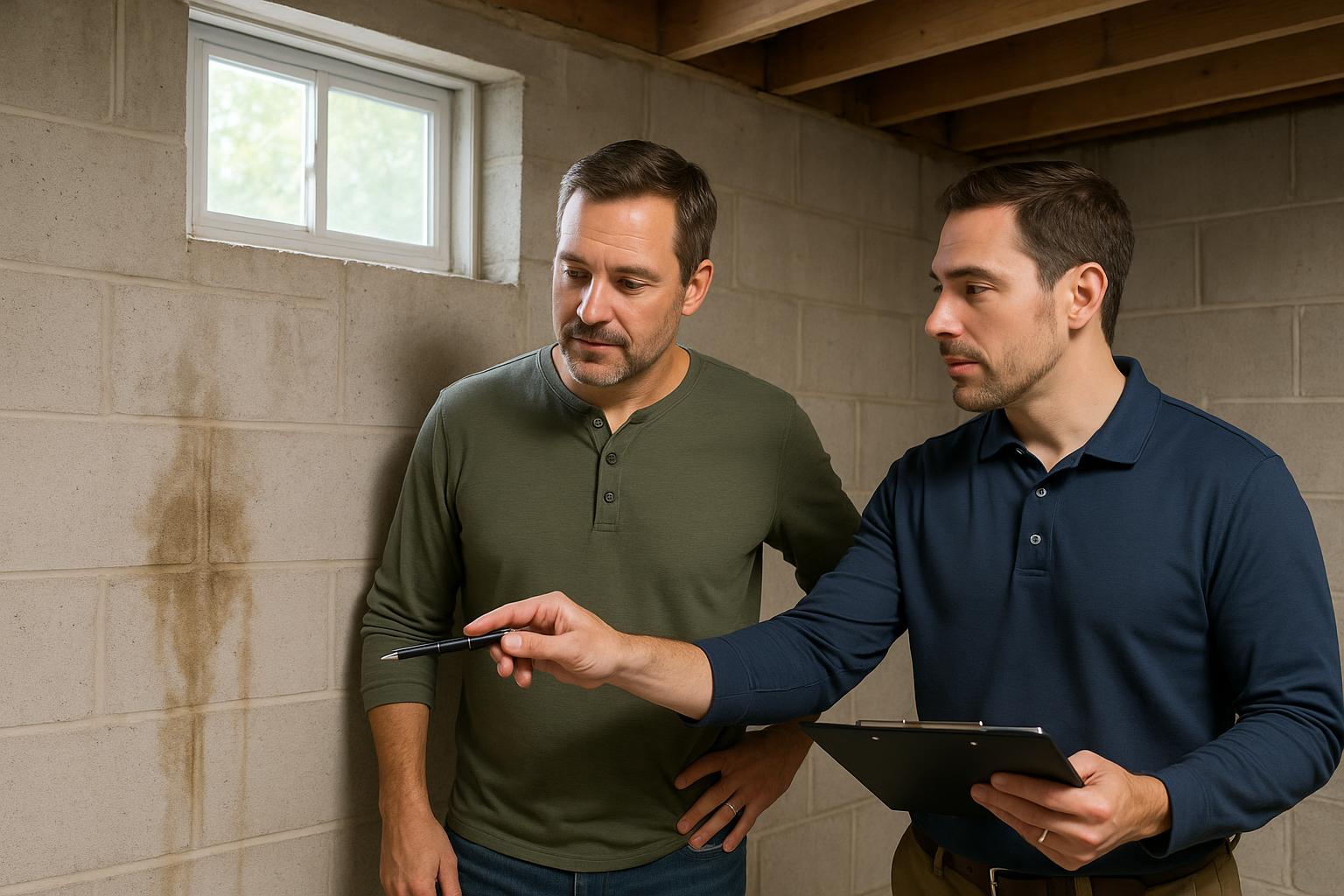
What should I do if my Grand Rapids home has basement moisture issues before selling?
If you’re thinking about selling your Grand Rapids home and you’ve noticed moisture, dampness, or water stains in your basement, you’re not alone. Basement moisture is a concern for many local sellers, especially with Michigan’s changing seasons and older housing stock. It can be stressful to decide what to do next—should you fix it, disclose it, or wait? How much will it affect your sale?
Addressing basement moisture before listing can help you avoid surprises later. If ignored, it may come up during the buyer’s inspection, become part of negotiation, or even affect the terms you receive. Here’s what to consider so you can make informed decisions about your sale.
Quick Answer
If your Grand Rapids home has basement moisture issues before selling, start by evaluating the source and extent of the problem. Consider getting a professional assessment and estimate for repairs, then decide if you want to fix the issue, adjust your price, or disclose and sell as-is.
This situation can affect your sale preparation, inspection results, and negotiation options. If you’re dealing with this, I’m happy to walk through it with you.
Assessing the Scope of Basement Moisture
The first step is to identify how serious the moisture problem is. Look for signs such as damp spots, peeling paint, musty odors, or visible water stains on walls or floors. Sometimes the issue is limited to minor condensation, while other times it might involve leaks or standing water after heavy rain.
If you aren’t sure about the cause or extent, it’s a good idea to bring in a qualified home inspector or basement specialist. They can help determine if the problem is due to poor grading, clogged gutters, foundation cracks, or something else. Understanding the root cause helps you decide on the right solution and prepares you for questions during the selling process.
Repair, Mitigate, or Sell As-Is?
Once you know what you’re dealing with, you have a few choices. You can invest in repairs—like sealing cracks, improving drainage, or installing a sump pump—or you may decide to address only the source of moisture and leave cosmetic work to the next owner. In some cases, a seller may choose to sell the home as-is, especially if the repair costs are high or time is limited.
Repairing basement moisture can improve how your home presents in showings and in the inspection report. However, it’s important to weigh the cost and timeline of repairs against your overall selling goals. If you decide not to fix the issue, be prepared to discuss it honestly with potential buyers and adjust your price or terms as needed.
Disclosure, Inspection, and Negotiation Considerations
If you’re aware of basement moisture or past water issues, disclosure obligations can depend on your property and circumstances. Ask your real estate professional or attorney what disclosures or documentation may apply to your situation. Being upfront can help reduce surprises during the buyer’s inspection and avoid potential conflicts after an offer is accepted.
During the inspection process, basement moisture is likely to be flagged if present. This can lead to repair requests, price negotiations, or even requests for credits at closing. Having documentation of any repairs, maintenance, or professional assessments you’ve completed can help you respond to these concerns. For more on home inspections, the Consumer Financial Protection Bureau offers a helpful guide.
Want to Talk Through Your Situation?
If you’re unsure how to handle basement moisture before selling, let’s discuss your options and what to expect.
Schedule a Seller Consultation or call/text 616-916-9770.
Preparing for Showings and Addressing Buyer Concerns
Whether you repair the basement or not, make sure the area is clean, well-lit, and as dry as possible before showings. Remove personal items from the floor, use a dehumidifier if needed, and address any musty odors. This helps reduce distractions and allows buyers to focus on the space itself.
If you’ve addressed the moisture, consider sharing receipts or contractor reports to show the work was done professionally. If repairs are still underway, be prepared to explain the timeline and provide updates as needed. Transparency can help manage expectations and make the selling process smoother. For more about moisture and mold, you can review the EPA’s guide to mold and moisture in the home.
Jason’s take: In my experience, basement moisture issues can feel overwhelming at first, but breaking the process into clear steps—assessment, decision, preparation, and documentation—makes it more manageable. One issue worth considering is how transparent communication and documentation can help reduce surprises during the transaction and support your position if concerns come up during the inspection or negotiation phase.
Grand Rapids Seller Example
For example, imagine a Grand Rapids homeowner who notices dampness along a basement wall after spring rains. Unsure about the cause, the seller brings in a local basement contractor, who finds a gutter drainage issue and recommends repairs. The seller weighs the cost and timing of fixing the drainage versus listing the home as-is. After reviewing options, the seller decides to have the work completed but leaves some cosmetic touch-ups for the next owner. The seller prepares documentation of the repair and is ready to discuss the situation with buyers and inspectors. By evaluating the options and preparing in advance, the seller is better equipped to decide how to approach pricing, disclosure, and negotiation when listing the home.
Grand Rapids Seller Market Insight
One issue worth discussing is how basement moisture can affect a Grand Rapids home sale, especially with our region’s weather patterns and older homes. Moisture in the basement can show up in inspections, influence repair negotiations, or impact a buyer’s willingness to move forward. The effect can depend on the property’s location, condition, and how the issue is presented and addressed. Sellers may want to consider the season, the scope of any needed repairs, and the timing of their sale. Proactive preparation and honest communication can help make the process smoother and reduce the risk of last-minute surprises.
Frequently Asked Questions About Selling in Grand Rapids
What if I can’t afford to repair basement moisture before selling?
You can still sell your home, but you may need to adjust your price or offer a credit to the buyer. Discuss your situation with your real estate professional to understand your options and how they might affect your sale.
Do I have to tell buyers about past basement water issues?
Disclosure obligations can depend on your property and situation. If you are unsure about what to disclose, ask your real estate professional or attorney for guidance specific to your home.
Will basement moisture always come up during the inspection?
If there are visible signs or odors, an inspector may flag the issue. Even if the basement appears dry, past repairs or water marks could prompt further questions. Be prepared to discuss any known history or repairs.
How should I prepare my basement for showings if there’s a moisture problem?
Clean and declutter the space, run a dehumidifier if needed, and address any odors. If repairs have been made, provide documentation to help answer buyer questions during showings or inspections.
Related Grand Rapids Seller Resources
- What should I know about disclosing previous water damage when selling my Grand Rapids home?
- How can I prepare for moving out when selling my Grand Rapids home?
- How can I prepare my Grand Rapids home for sale to minimize inspection risks?
Wondering What Your Grand Rapids Home Could Sell For?
Get a quick estimate of your home’s current value and a starting point for understanding where your property may fit in the market.

Industry Recognition
Jason is recognized by platforms and industry organizations including Zillow, Grand Rapids Magazine Real Estate All-Stars, and Real Producers for his work serving West Michigan buyers and sellers.
Jason also supports One More Moment, a nonprofit that grants wishes to adults with cancer, by donating $100 from every successful closing.
Professional Disclosure
Jason Pohlonski
Michigan Licensed Real Estate Salesperson
Verify Michigan License #6501386166
Brokerage: Keller Williams Grand Rapids East
Brokerage Office: 1555 Arboretum Dr. SE, Grand Rapids, MI 49546
Call or text: 616-916-9770
Schedule a 30-minute consultation
Email: jpohlonski@kw.com
This article reflects Jason’s experience working with homeowners, buyers, and sellers in Grand Rapids and surrounding communities at the time of publication. Real estate outcomes can vary depending on market conditions, property characteristics, pricing, buyer demand, financing terms, inspection results, appraisal results, and contract terms.
This article is for general informational purposes only and is not legal, tax, financial, insurance, engineering, inspection, appraisal, or property-condition advice. Sellers should confirm legal, tax, inspection, appraisal, title, disclosure, and property-specific questions with the appropriate qualified professionals.