How do I handle foundation issues when buying in Grand Rapids?
If you’re thinking about buying a home in Grand Rapids and you discover foundation issues—either during showings or after an inspection—your next steps matter. Foundation problems can range from minor settling cracks to major structural concerns, and how you handle them can affect your finances, your negotiation power, and even your financing options.
Quick Answer
When you find foundation issues in a Grand Rapids home you want to buy, get a qualified foundation specialist to assess the problem and provide a repair estimate before moving forward. Use that information to negotiate repairs, ask for credits, or decide if you’re comfortable proceeding, knowing that major foundation issues can impact financing, insurance, and resale value.
Don’t ignore red flags or assume a general home inspection is enough—foundations are serious business in West Michigan. If you’re dealing with this situation, I’m happy to walk through it with you.
Get a Professional Foundation Assessment
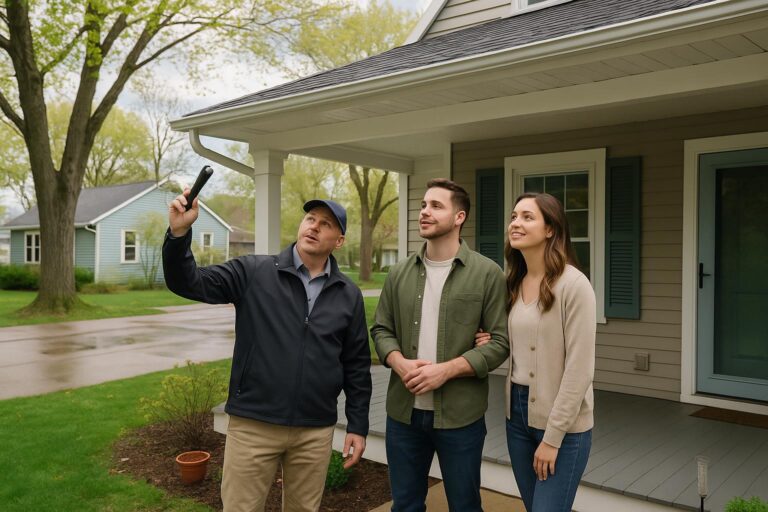
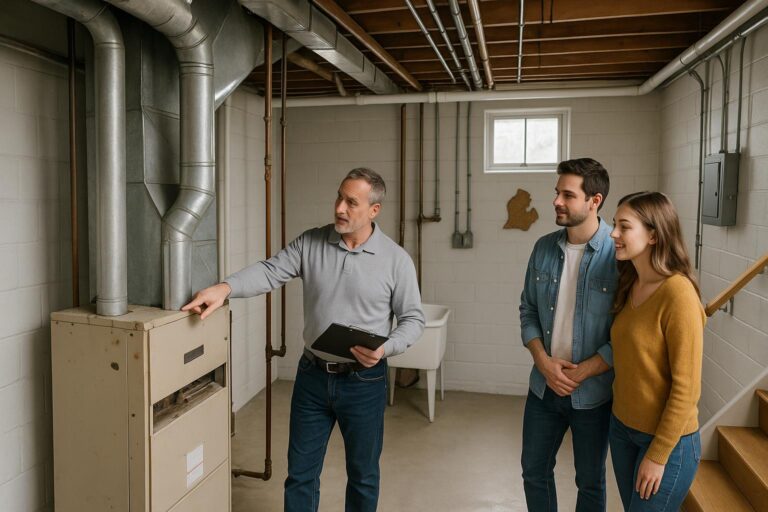
The first step is to bring in a licensed structural engineer or reputable foundation contractor to evaluate the issue. General home inspectors in Grand Rapids can point out concerns, but only a foundation expert can tell you if a crack is cosmetic or a sign of something serious. Most specialists will provide a written report and a repair estimate, which is crucial for negotiations and your own peace of mind.
Jason’s take: I’ve seen buyers save thousands—or walk away confidently—just by getting a second opinion from a foundation pro. Don’t rely on guesswork, especially if you’re new to Michigan’s soil and water table quirks. Always ask for a detailed, written assessment before making any big decisions.
Understand How Foundation Issues Affect Financing
Major foundation problems can be a dealbreaker for some lenders, especially if you’re using FHA, VA, or certain conventional loan programs. Lenders may require repairs before closing or even refuse to finance the property until the issues are resolved. That means you need to know not just the cost, but also the timeline and scope of work. For more on how lenders handle property condition, check resources like the Consumer Financial Protection Bureau.
If you’re paying cash, you have more flexibility—but you’re also taking on the risk. Talk with your lender early if you’re using financing, so you don’t run into surprises at appraisal or underwriting.
Negotiate Repairs, Credits, or Price Adjustments
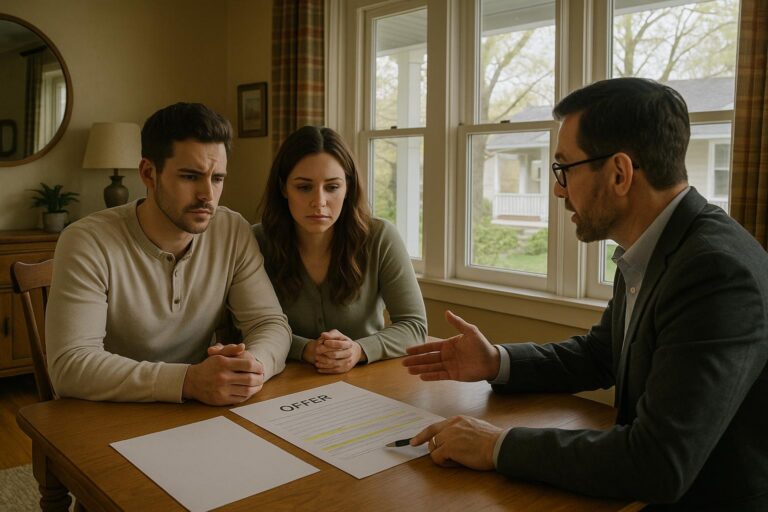
Once you know the repair scope and cost, you have leverage to negotiate. In Grand Rapids, it’s common for buyers to request that sellers fix foundation issues before closing or provide a credit at closing to cover repairs. Some sellers may prefer to adjust the price instead, especially if they want a quick sale.
Jason’s take: In the $250K–$400K range, I often see sellers agree to partial credits rather than full repairs, especially in a competitive market. The key is having a clear, written estimate and being realistic about timing—foundation work can delay closing, so build in extra time if needed.
Decide If the Risk Is Worth It—Rule of Thumb
Here’s a practical decision-making framework: If the cost of repair is less than 2–3% of the purchase price, and you have reliable bids and a clear repair plan, many buyers in Grand Rapids will proceed—especially if they can get credits or repairs done before moving in. If the foundation issue is severe, the repair cost is high, or you can’t get clear answers, it’s usually best to walk away and keep looking.
Remember that even after repairs, you must disclose foundation work if you resell later. Check local Grand Rapids disclosure rules and consult the Michigan Department of Licensing and Regulatory Affairs for up-to-date requirements.
Real Buyer Case Study
Last year, I worked with a first-time buyer looking in the Alger Heights area in the $275K range. The home had a noticeable horizontal crack in the basement wall. We brought in a structural engineer, who recommended a $6,000 repair. Using that report, we negotiated a $7,000 seller credit at closing, which covered the repair and some finishing costs. The buyer closed with confidence, and the lender was satisfied with the repair plan and funds in escrow.
Grand Rapids Buyer Market Insight
In the $200K–$350K price range, most Grand Rapids buyers are still requesting inspections and negotiating repairs—even in multiple-offer situations. Foundation issues aren’t usually waived, and a professional inspection is expected. In higher-demand neighborhoods, you might have to move faster or accept minor cracks, but big problems are almost always addressed before closing.
Frequently Asked Questions About Buying in Grand Rapids
How common are foundation issues in Grand Rapids homes?
Older homes in Grand Rapids, especially those built before the 1960s, are more likely to have some foundation settlement or cracking due to age and local soil conditions.
Can I still get a mortgage if a home has foundation problems?
It depends on the severity. Minor cracks usually aren’t a problem, but significant issues can require repairs before a lender will approve the loan.
Should I ever waive the inspection if I suspect foundation concerns?
No—never waive an inspection if there are visible foundation issues. You need a professional assessment to understand your risk and options.
Are foundation repairs covered by homeowners insurance?
Most standard policies in Michigan don’t cover existing foundation problems. Always check with your insurance agent for specifics before buying.
Related Grand Rapids Buyer Resources
- How Do I Handle Mold Concerns When Buying a Home in Grand Rapids?
- How Do I Handle Boundary Line Issues When Buying in Grand Rapids?
- What Should I Do If a Buyer Backs Out of My Grand Rapids Home Sale?
About the Author
Jason Pohlonski
is a Michigan licensed real estate salesperson with Keller Williams Grand Rapids East. He helps buyers and sellers throughout Grand Rapids, East Grand Rapids, Forest Hills, Ada, Byron Center, Jenison, Cascade, and surrounding West Michigan communities.
Jason began his real estate career in Chicago in 2004, later expanding his experience in Ann Arbor from 2014 to 2019, and has been serving clients in the Grand Rapids area since 2019.
With over 20 years of combined real estate experience across multiple markets, Jason focuses on helping clients make clear real estate decisions involving pricing, offer terms, inspections, appraisals, relocation timing, and buy-sell planning.
Industry Recognition
Jason is recognized by platforms and industry organizations including Zillow, Grand Rapids Magazine Real Estate All-Stars, and Real Producers for his work serving West Michigan buyers and sellers.
Jason also supports One More Moment, a nonprofit that grants wishes to late-stage cancer patients, by donating $100 for every successful closing.
Professional Disclosure
Jason Pohlonski
Michigan Licensed Real Estate Salesperson
License Verification: Verify Michigan License #6501386166
Brokerage: Keller Williams Grand Rapids East
Brokerage Office: 1555 Arboretum Dr. SE, Grand Rapids, MI 49546
📱 Call or text: 616-916-9770
📅 Schedule consultation:
https://calendly.com/pohlonskirealestate/30min
📧 Email: jpohlonski@kw.com
This article reflects real client experiences and market conditions in Grand Rapids and surrounding communities at the time of publication. Real estate outcomes can vary depending on market conditions, property characteristics, buyer demand, financing terms, inspection results, appraisal results, and lender requirements.
This article is for general informational purposes only and is not legal, tax, financial, insurance, engineering, inspection, or floodplain determination advice. Buyers and sellers should consult qualified professionals before making decisions involving financing, insurance, inspections, taxes, legal issues, or property risk.