Should You Consider Off-Market Interest Before Listing in Forest Hills?
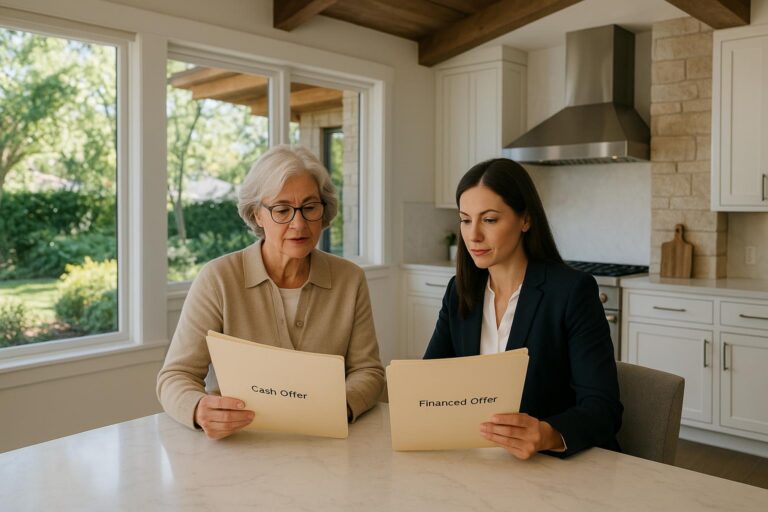
If you’re preparing to sell your Forest Hills home, you may already have heard from buyers or agents asking if you’d consider an off-market offer before listing publicly. This can be tempting—especially in the $400K to $1.5M price range, where serious buyers often watch for new opportunities. But should you consider these inquiries, or will you risk leaving money on the table by not going live on the MLS?
Quick Answer
While off-market interest can lead to a quick, private sale, most Forest Hills sellers achieve stronger results by listing publicly, exposing the home to the full pool of motivated buyers. However, off-market approaches can be useful in select cases—if you prioritize privacy, flexibility, or a specific timeline, or if you receive a truly premium offer with favorable terms.
1. Weighing Privacy and Convenience vs. Market Exposure
Off-market offers appeal to some Forest Hills sellers because of the privacy, control, and convenience they provide. You may avoid weeks of showings, open houses, and the stress of prepping your home each day. This can be attractive for busy families, those with young children, or anyone who values a low-profile transaction.
However, limiting your home’s exposure means fewer buyers will see it—often reducing competition and ultimately the sale price. In our market, especially in neighborhoods near Forest Hills Central High School and Cascade Township, the best offers typically come when buyers compete. Unless your off-market offer is exceptional, public listing is almost always the better route for maximizing your net proceeds.
2. Understanding Buyer Motivation and Leverage
Serious off-market buyers in Forest Hills are usually highly motivated—perhaps they’ve lost out on other homes or want to secure a specific school district boundary. These buyers may be willing to pay a premium, but more often, they’re hoping to “beat the market” and avoid competing with other buyers.
When you’re approached off-market, ask for details: Is the buyer pre-approved? Are they flexible on possession timing? What terms are they offering? Remember, your leverage is strongest before any details are shared. If you’re considering an off-market offer, set a clear deadline and require a strong earnest deposit to show real commitment.
3. Pricing and the Rule of Market Competition
A practical framework for Forest Hills sellers: If an off-market offer is at or above your target price, with minimal contingencies and flexible possession, it may be worth serious consideration. But if it’s simply “fair” or at the lower end of your range, you’ll almost always do better by listing and letting the market set the price.
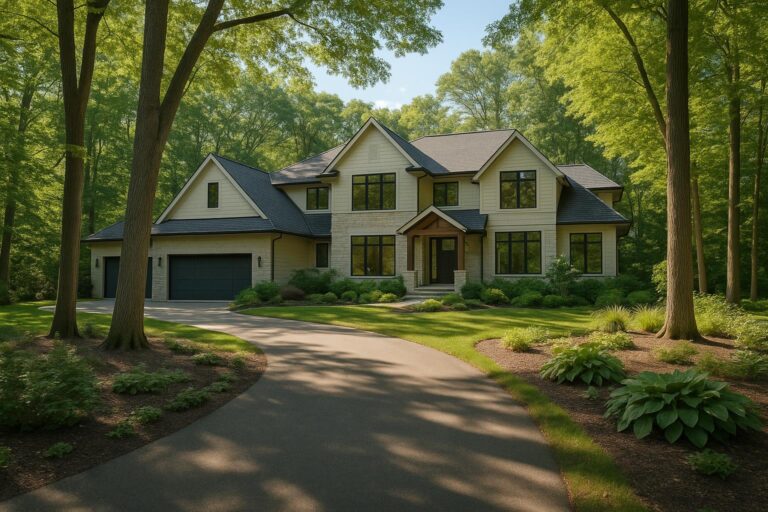
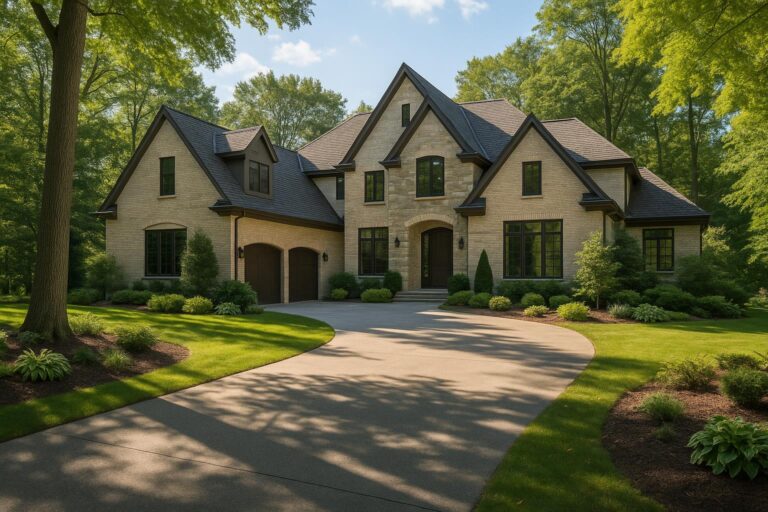
In my experience, homes in Ada Village with wooded lots or updated interiors often receive multiple offers within the first week on market. The open exposure creates urgency and, in many cases, leads to escalation clauses or cash offers. Unless the off-market offer matches these best-case outcomes, going public is your safest bet.
4. Market Data: How Off-Market Sales Stack Up
According to Greater Regional Alliance of Realtors (GRAR) market data, Forest Hills homes listed publicly typically sell faster and at a higher price per square foot than private, off-market transactions. Public listings benefit from the power of the MLS, digital marketing, and the competitive environment created by multiple buyers.
Additionally, relocation buyers—especially those targeting Cascade Township and Forest Hills Northern High School zones—often rely on public listings to find available homes. Limiting exposure means missing out on this critical segment. For most sellers, the numbers make it clear: full market exposure yields the strongest results unless you have a highly unique situation.
Real Seller Case Study
Last spring, I worked with a Forest Hills seller in the $900K range in a neighborhood near Forest Hills Eastern High School. Before listing, they received an unsolicited off-market offer from a local family. The terms were decent but not outstanding—close to their target price, but with several inspection and appraisal contingencies.
After reviewing the offer, the sellers chose to go live on the market instead. Within five days, we had three competing offers—one from a relocation buyer and two from local families. The final sale price was $32,000 above the highest off-market offer, with a flexible possession date and no major contingencies. The sellers were thrilled with their decision to maximize exposure.
Forest Hills Market Insight
One trend I continue to see in Forest Hills is that homes in Cascade Township, especially those with larger wooded lots, attract buyers relocating from out of state—often for jobs in Grand Rapids or to secure a spot at Forest Hills Central or Northern. These buyers are rarely tapped by off-market sales and are willing to compete aggressively, especially for updated properties or newer construction. The difference in demand is noticeable: homes with broad exposure almost always outperform those sold privately.
Frequently Asked Questions About Selling in Forest Hills School District
-
Should I ever accept an off-market offer before listing?
Accepting an off-market offer makes sense only if it’s truly above market value and meets your ideal terms. Otherwise, listing publicly is usually better. -
Will buyers pay more if they know I have other offers?
Yes, competition among buyers—especially in Forest Hills School District—often drives up the final sale price and improves terms for sellers. -
Are there risks to going off-market?
Yes. You risk selling below market value, missing out on motivated buyers, and having less leverage in negotiations. -
How can I safely evaluate an off-market offer?
Require proof of funds or pre-approval, a strong earnest deposit, and consult with your agent to compare the offer to likely outcomes if you listed on the MLS.
Related Forest Hills Seller Resources
- What Happens If a Grand Rapids Home Has Unpermitted Work?
- How Are Property Taxes Handled When I Sell My Grand Rapids Home?
- How Can I Tell If a Buyer’s Financing Is Strong in East Grand Rapids?
About the Author
Jason Pohlonski
is a Michigan licensed real estate salesperson with Keller Williams Grand Rapids East. He helps buyers and sellers throughout East Grand Rapids, Grand Rapids, Forest Hills, Ada, Byron Center, Jenison, Cascade, and surrounding West Michigan communities.
Jason began his real estate career in Chicago in 2004, later expanding his experience in Ann Arbor from 2014 to 2019, and has been serving clients in the Grand Rapids area since 2019.
With over 20 years of combined real estate experience across multiple markets, Jason focuses on helping clients make clear real estate decisions involving pricing, offer terms, inspections, appraisals, relocation timing, and buy-sell planning.
Industry Recognition
Jason is recognized by platforms and industry organizations including Zillow, Grand Rapids Magazine Real Estate All-Stars, and Real Producers for his work serving West Michigan buyers and sellers.
Jason also supports One More Moment, a nonprofit that grants wishes to late-stage cancer patients, by donating $100 for every successful closing.
Professional Disclosure
Jason Pohlonski
Michigan Licensed Real Estate Salesperson
License Verification: Verify Michigan License #6501386166
Brokerage: Keller Williams Grand Rapids East
Brokerage Office: 1555 Arboretum Dr. SE
Grand Rapids, MI 49546
📱 Call or text: 616-916-9770
📅 Schedule consultation:
https://calendly.com/pohlonskirealestate/30min
📧 Email: jpohlonski@kw.com
This article reflects real client experiences and market conditions in East Grand Rapids, Grand Rapids, and surrounding West Michigan communities at the time of publication. Real estate outcomes can vary depending on market conditions, property characteristics, buyer demand, financing terms, inspection results, appraisal results, and lender requirements.
This article is for general informational purposes only and is not legal, tax, financial, insurance, engineering, inspection, or appraisal advice. Buyers and sellers should consult qualified professionals before making decisions involving financing, insurance, inspections, taxes, legal issues, property risk, or valuation.