What should I know about sewer line inspections in Grand Rapids?
Buying a home in Grand Rapids? One of the most overlooked—but potentially expensive—issues buyers face is the condition of the main sewer line. Sewer line repairs can cost thousands and aren’t always visible during a standard home inspection. Here’s what you should know about sewer line inspections so you can avoid surprises after closing.
Quick Answer
Sewer line inspections aren’t automatically included in most Grand Rapids home inspections. If the home was built before the 1980s, has mature trees, or shows any signs of drainage issues, you should seriously consider a sewer scope inspection. This can uncover hidden problems like cracks, root intrusion, or collapsed pipes that could cost $4,000–$10,000 or more to repair.
A sewer scope is a specialized camera inspection of the underground line connecting the house to the city main. It typically costs $175–$350 in Grand Rapids. Skipping this inspection means risking a major repair bill after you move in. If you’re dealing with this situation, I’m happy to walk through it with you.
Why Sewer Line Inspections Matter in Grand Rapids
Many Grand Rapids neighborhoods—especially Heritage Hill, Eastown, Alger Heights, and parts of Wyoming—feature homes built before the 1970s. These properties often have clay or cast iron sewer lines, which are more prone to cracking, root intrusion, or collapse over time. Even if the sinks and toilets appear to drain normally during a showing, hidden problems could be lurking underground.
Unlike visible plumbing, the main sewer line is buried and not accessible without specialized equipment. Standard home inspectors usually run water and check for visible leaks, but they don’t scope the sewer line unless you specifically request it. That’s why buyers in our area frequently add a sewer line camera inspection for older homes or properties with large, established trees near the line.
How and When to Schedule a Sewer Scope Inspection
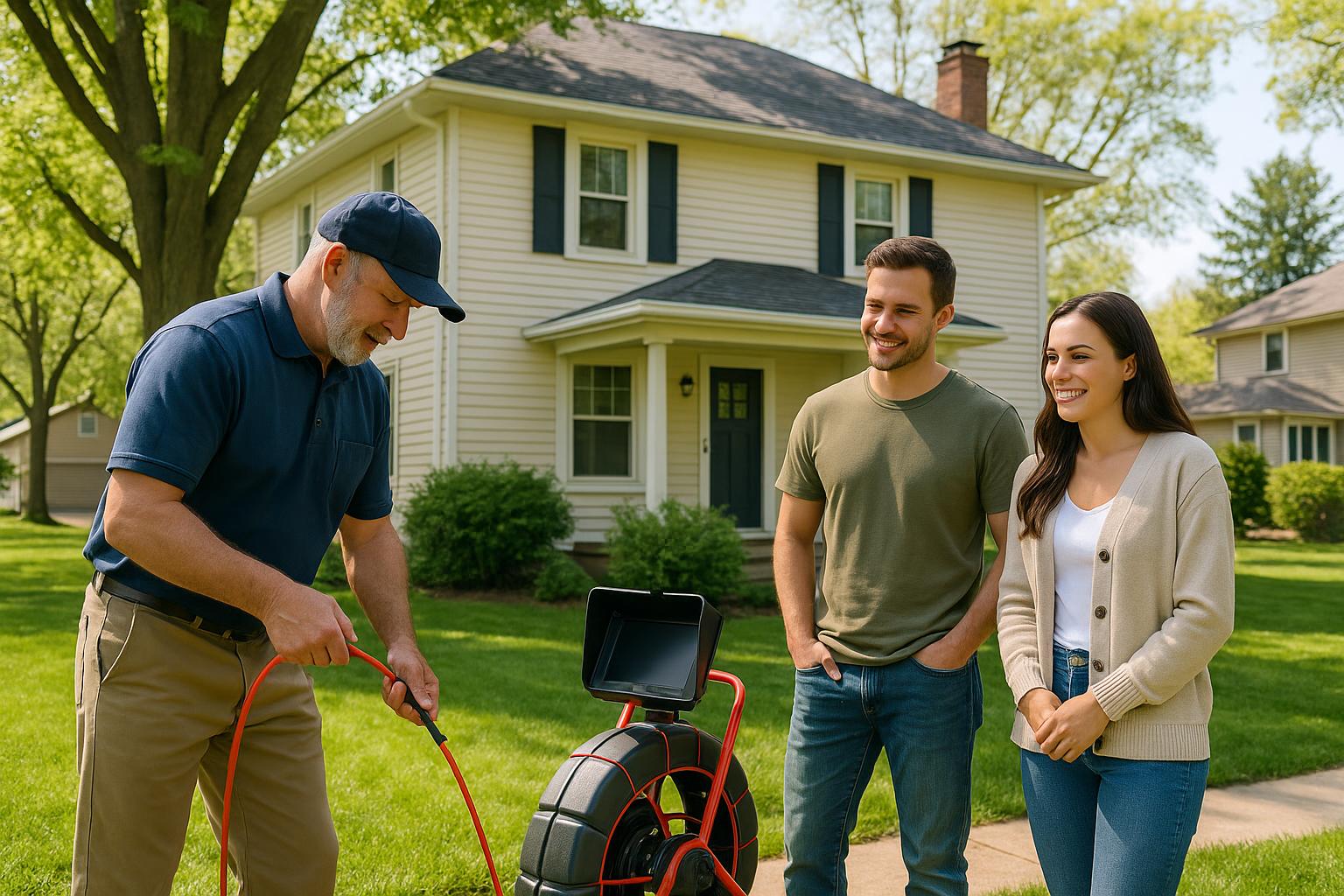
In Grand Rapids, sewer line inspections are most often scheduled right after your offer is accepted—during your general home inspection period. Local inspectors bring a camera attached to a flexible cable, insert it through a cleanout or basement drain, and record video footage as it travels to the city main. You’ll get a report and video summary within a day or two.
Jason’s take: I tell buyers to schedule the sewer scope at the same time as their main inspection. This keeps your due diligence window on track and gives you a negotiating advantage if anything comes up. In competitive situations, getting this done early is especially important if you want to request repairs or credits before your contingency deadline.
What Problems Can a Sewer Line Inspection Find?
A sewer scope can detect a range of issues: root intrusion (from mature trees), cracks or breaks, pipe offsets, sagging (known as “bellies”), and blockages. Some problems require immediate repair, while others can be managed or budgeted for in the future.
If the inspector finds minor roots or buildup, a cleaning might be all you need—usually a few hundred dollars. But if they find a broken or collapsed section, replacement costs in Grand Rapids can range from $4,000 to $10,000 or more, depending on the depth and length of the pipe. The Consumer Financial Protection Bureau recommends budgeting for such “unexpected repairs” as part of your buying process.
Negotiating Repairs or Credits After a Bad Sewer Report
If your sewer scope uncovers a major problem, you have a few options. You can request the seller to make repairs before closing, negotiate a price reduction or credit, or walk away if the cost is too high. In Grand Rapids, sellers are often open to repairs for significant sewer issues, especially if the defect was unknown to them. However, in a hot market, some sellers may push back—so it’s smart to know your leverage and timeline.
Jason’s take: I’ve found that providing the inspection video and a written estimate from a local plumber is the most effective way to get a seller’s attention. It shows you’re serious and helps avoid a last-minute scramble before closing.
Rule of Thumb: When Is a Sewer Scope Worth It?
Here’s a simple framework I share with buyers: If the house is more than 40 years old, has mature trees in the yard, or you notice slow drains, always get a sewer scope. For newer homes (built after 1990) with PVC pipes and no big trees nearby, the risk is much lower, but you can still request an inspection for peace of mind.
According to EPA guidance, aging sewer infrastructure is a leading cause of expensive home repairs—especially in older cities like Grand Rapids. Spending $200 now can save you thousands later.
Local Market Insight: How Sewer Scopes Affect Buyer Decisions
In Grand Rapids, buyers in the $250,000–$400,000 range often waive minor repairs to stay competitive, but sewer line issues are one of the few problems that can kill a deal—even in multiple-offer situations. I’ve seen buyers walk away from accepted offers after a bad sewer report, while others successfully negotiated a $7,000 credit on a Heritage Hill home last year. The key is getting the inspection done early so you have options.
Real Buyer Case Study
Last spring, I worked with a first-time buyer purchasing a 1950s ranch in the Alger Heights area (mid-$300,000s). The general inspection went smoothly, but the sewer scope revealed a partial collapse under the driveway—estimated at $5,800 to repair. We provided the video and estimate to the seller, who agreed to a $6,000 closing credit. My buyer closed on time and used the funds for immediate repair after moving in. Without the sewer scope, this issue would have become a costly surprise.
Grand Rapids Buyer Market Insight
One thing I see regularly: buyers in popular neighborhoods like Eastown and Fulton Heights are more likely to prioritize sewer scopes, especially if the home has mature trees or a historic foundation. In lower-inventory markets, buyers sometimes skip other repairs but rarely skip the sewer scope on older homes. It’s become a “must-do” for many local buyers who want to avoid post-closing headaches.
Frequently Asked Questions About Buying in Grand Rapids
Do all Grand Rapids home inspectors offer sewer line inspections?
No, most standard home inspections do not include a sewer scope. You’ll need to request it separately and may need a specialist if your main inspector doesn’t offer it.
How long does a sewer scope inspection take?
The actual camera inspection usually takes 30–60 minutes. You’ll get a report and video, often the same day or within 24 hours.
Should I skip the sewer scope on a newer Grand Rapids home?
If the house is built after 1990 and has PVC lines with no big trees, the risk is lower—but a scope can still provide peace of mind. For older homes, it’s strongly recommended.
Can I back out of a purchase if a major sewer problem is found?
If you have an inspection contingency in your offer, you can usually negotiate repairs or credits, or withdraw if the cost is too high. Always review your contract terms.
Related Grand Rapids Buyer Resources
- What Should I Know About Buying a Grand Rapids Home With an Old Water Heater?
- How Do I Decide Which Offer to Accept When Selling My Grand Rapids Home?
- What to Expect From the Appraisal Process in Forest Hills
About the Author
Jason Pohlonski
is a Michigan licensed real estate salesperson with Keller Williams Grand Rapids East. He helps buyers and sellers throughout Grand Rapids, East Grand Rapids, Forest Hills, Ada, Byron Center, Jenison, Cascade, and surrounding West Michigan communities.
Jason began his real estate career in Chicago in 2004, later expanding his experience in Ann Arbor from 2014 to 2019, and has been serving clients in the Grand Rapids area since 2019.
With over 20 years of combined real estate experience across multiple markets, Jason focuses on helping clients make clear real estate decisions involving pricing, offer terms, inspections, appraisals, relocation timing, and buy-sell planning.
Industry Recognition
Jason is recognized by platforms and industry organizations including Zillow, Grand Rapids Magazine Real Estate All-Stars, and Real Producers for his work serving West Michigan buyers and sellers.
Jason also supports One More Moment, a nonprofit that grants wishes to late-stage cancer patients, by donating $100 for every successful closing.
Professional Disclosure
Jason Pohlonski
Michigan Licensed Real Estate Salesperson
License Verification: Verify Michigan License #6501386166
Brokerage: Keller Williams Grand Rapids East
Brokerage Office: 1555 Arboretum Dr. SE, Grand Rapids, MI 49546
📱 Call or text: 616-916-9770
📅 Schedule consultation:
https://calendly.com/pohlonskirealestate/30min
📧 Email: jpohlonski@kw.com
This article reflects real client experiences and market conditions in Grand Rapids and surrounding communities at the time of publication. Real estate outcomes can vary depending on market conditions, property characteristics, buyer demand, financing terms, inspection results, appraisal results, and lender requirements.
This article is for general informational purposes only and is not legal, tax, financial, insurance, engineering, inspection, or floodplain determination advice. Buyers and sellers should consult qualified professionals before making decisions involving financing, insurance, inspections, taxes, legal issues, or property risk.