What Should I Know About Easements When Buying in Grand Rapids?
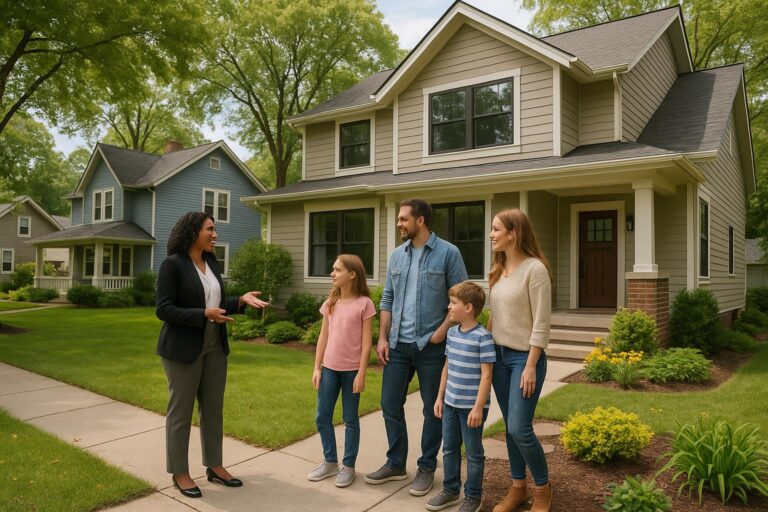
If you’re buying a home in Grand Rapids, easements are something you need to check before you close. Easements are legal rights that allow someone else—like a utility company or a neighbor—to use part of your property for a specific purpose. They can affect where you can build, fence, or even plant trees, so it’s crucial to understand what easements exist before making your purchase.
Quick Answer
Easements are common on Grand Rapids homes, especially in neighborhoods with older infrastructure or shared driveways. You’ll usually find utility easements, drainage easements, or shared access easements on the title work or property survey. These can impact how you use your lot, where you can build, or who can cross your property for access.
Before you buy, review the title commitment and property survey for any easements. If you have questions or spot something unexpected, talk to your real estate agent or a local title company right away. If you’re dealing with this situation, I’m happy to walk through it with you.
Understand the Most Common Types of Easements
The majority of Grand Rapids homes have at least one easement—most often for utilities like electricity, water, sewer, or cable. These are usually found along lot lines, in rear yards, or sometimes through a side yard. You might also see drainage easements, which give the city or township the right to maintain drainage swales or storm sewers. In older neighborhoods, it’s not unusual to find shared driveway easements, allowing two properties to use a single drive or alley for access.
Jason’s take: In Grand Rapids, utility easements are almost always present, but shared driveway easements are where buyers get caught off guard. Always ask your agent for a copy of the current survey if you’re eyeing a home with a shared drive or alley access.
How Easements Can Affect Your Use of the Property
Easements limit what you can do with part of your land. For example, you generally can’t build a permanent structure—like a garage, shed, or addition—over a utility easement. Fences, decks, and landscaping in these zones may also be restricted or removed if utility work is needed. If a neighbor has access through your property (like with a shared driveway), you can’t block their route, even after you own the home.
Rule of thumb: If you see anything unusual in the backyard (utility boxes, manhole covers, or a path that looks like it’s shared), ask your agent to verify what’s recorded on the survey and in the title commitment. The Consumer Financial Protection Bureau explains how easements work and what buyers should know before closing.
How to Spot and Verify Easements Before You Buy
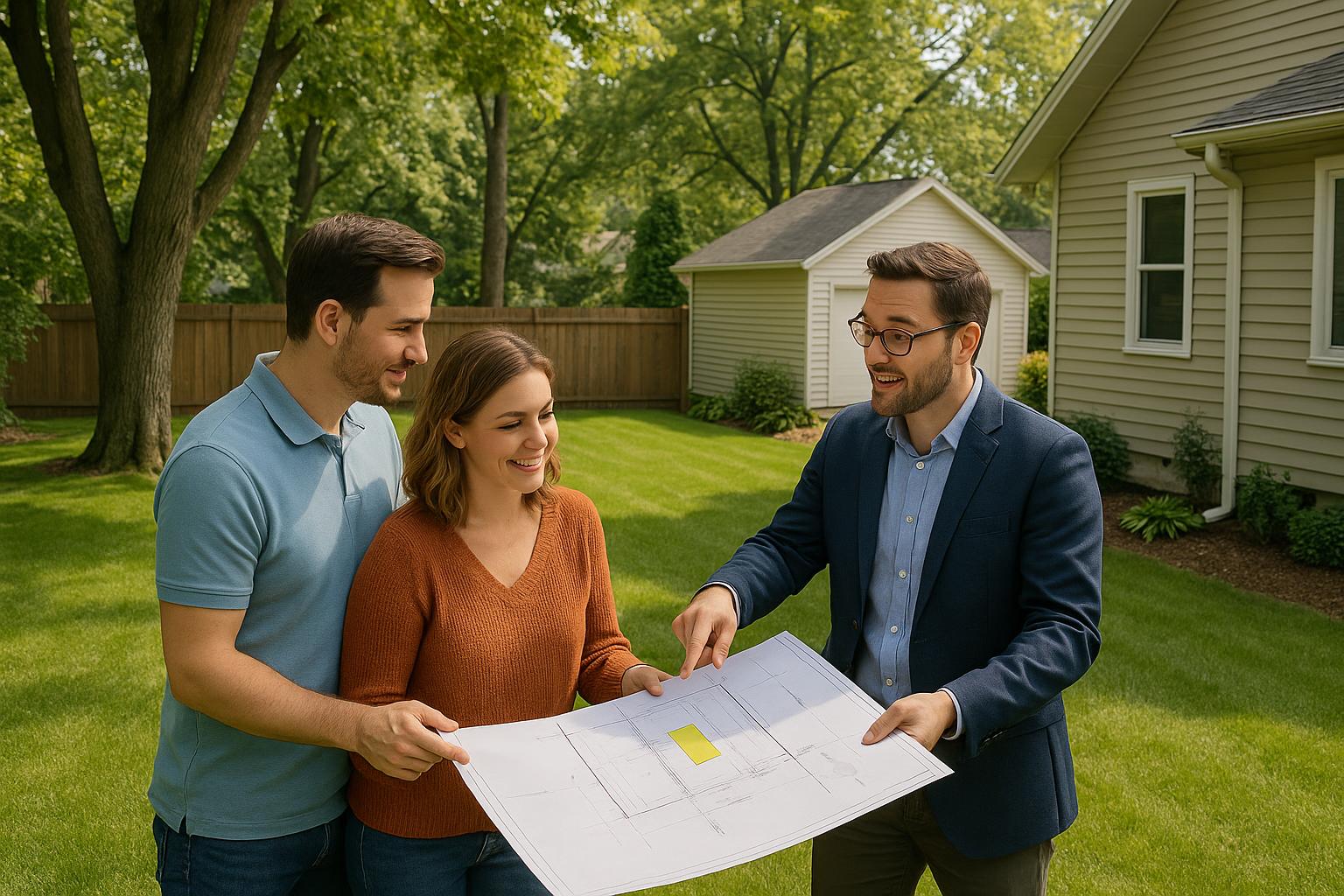
The best way to spot easements is by reviewing the title commitment and the property survey, both of which are usually provided during the purchase process in Grand Rapids. Look for labeled easement areas, usually marked with dashed lines or shading. The title commitment will describe who holds the easement and for what purpose. If you’re unsure, your agent or the title company can help explain what each easement means for your use of the property.
Jason’s take: Don’t skip the survey review, especially if you’re thinking about adding a fence, pool, or detached garage. I’ve seen buyers regret missing a 10-foot utility easement running through the backyard—later learning they couldn’t build what they wanted. It’s always easier to clarify before you close.
What to Do if You Find a Problematic Easement
If an easement looks like it could be a deal-breaker—like an access easement through the middle of your yard or a utility easement that limits future additions—don’t panic. First, clarify exactly where the easement is located and what restrictions apply. Sometimes the impact is less than it appears on paper. If you’re concerned about future building plans, a quick call to the local zoning department or utility company can clarify what’s allowed.
In rare cases, you might be able to negotiate a partial release or relocation of an easement, but this is complex and requires agreement from the easement holder. For most buyers, it’s better to decide if you’re comfortable with the easement as it stands. The Michigan Department of Licensing and Regulatory Affairs provides guidance on property rights and easements for Michigan buyers.
Real Buyer Case Study
In 2023, I worked with a couple buying a classic two-story home in the Alger Heights area (mid-$300s). The house had a shared driveway easement with the neighbor, which wasn’t obvious at first glance. During the title review, we found the legal description required both owners to keep the drive clear for access. The buyers originally wanted to add a fence across the drive for privacy, but we clarified this wasn’t allowed. Instead, we negotiated with the seller to split the cost of new landscaping and a privacy screen that respected the easement, and the buyers moved forward with a clear understanding of their rights and responsibilities.
Grand Rapids Buyer Market Insight
In Grand Rapids, it’s common for buyers to overlook easements during the excitement of making an offer—especially in hot price ranges under $400K where homes move fast. I’ve noticed buyers who slow down and review the survey and title work are less likely to run into surprises at closing or regret their purchase later. In more competitive neighborhoods, even a small easement issue can become a sticking point if you plan to add a garage, pool, or significant landscaping. Taking the time to check before you close will save you headaches (and costs) down the road.
Frequently Asked Questions About Buying in Grand Rapids
What’s the difference between a utility easement and a private easement?
A utility easement allows companies to access your property for services like water, gas, or electric lines. A private easement usually gives a neighbor specific access rights, such as for a shared driveway or path. Both can impact your use of the land, so review your survey and title documents closely.
Can I build a fence or shed over an easement in Grand Rapids?
Usually, you can’t build permanent structures over utility or drainage easements. Fences might be allowed in some cases, but you’re responsible for removing them if utility work is needed. Always check with the city or utility company before building.
How do I find out if a Grand Rapids home has any easements?
Easements are listed in the title commitment and shown on the property survey. Ask your agent or title company to walk you through these documents before closing.
What happens if I ignore an easement after buying?
If you block or build over an easement, the holder (utility company or neighbor) can require you to remove structures or landscaping at your expense. It can also cause title or legal problems if you resell the home.
Related Grand Rapids Buyer Resources
- What Happens If the Title Search Finds a Problem With My Grand Rapids Home?
- Can I Sell My Grand Rapids Home While Buying Another One?
- What Should I Know About Buying a Grand Rapids Home With an Old Furnace?
About the Author
Jason Pohlonski
is a Michigan licensed real estate salesperson with Keller Williams Grand Rapids East. He helps buyers and sellers throughout Grand Rapids, East Grand Rapids, Forest Hills, Ada, Byron Center, Jenison, Cascade, and surrounding West Michigan communities.
Jason began his real estate career in Chicago in 2004, later expanding his experience in Ann Arbor from 2014 to 2019, and has been serving clients in the Grand Rapids area since 2019.
With over 20 years of combined real estate experience across multiple markets, Jason focuses on helping clients make clear real estate decisions involving pricing, offer terms, inspections, appraisals, relocation timing, and buy-sell planning.
Industry Recognition
Jason is recognized by platforms and industry organizations including Zillow, Grand Rapids Magazine Real Estate All-Stars, and Real Producers for his work serving West Michigan buyers and sellers.
Jason also supports One More Moment, a nonprofit that grants wishes to late-stage cancer patients, by donating $100 for every successful closing.
Professional Disclosure
Jason Pohlonski
Michigan Licensed Real Estate Salesperson
License Verification: Verify Michigan License #6501386166
Brokerage: Keller Williams Grand Rapids East
Brokerage Office: 1555 Arboretum Dr. SE, Grand Rapids, MI 49546
📱 Call or text: 616-916-9770
📅 Schedule consultation:
https://calendly.com/pohlonskirealestate/30min
📧 Email: jpohlonski@kw.com
This article reflects real client experiences and market conditions in Grand Rapids and surrounding communities at the time of publication. Real estate outcomes can vary depending on market conditions, property characteristics, buyer demand, financing terms, inspection results, appraisal results, and lender requirements.
This article is for general informational purposes only and is not legal, tax, financial, insurance, engineering, inspection, or floodplain determination advice. Buyers and sellers should consult qualified professionals before making decisions involving financing, insurance, inspections, taxes, legal issues, or property risk.