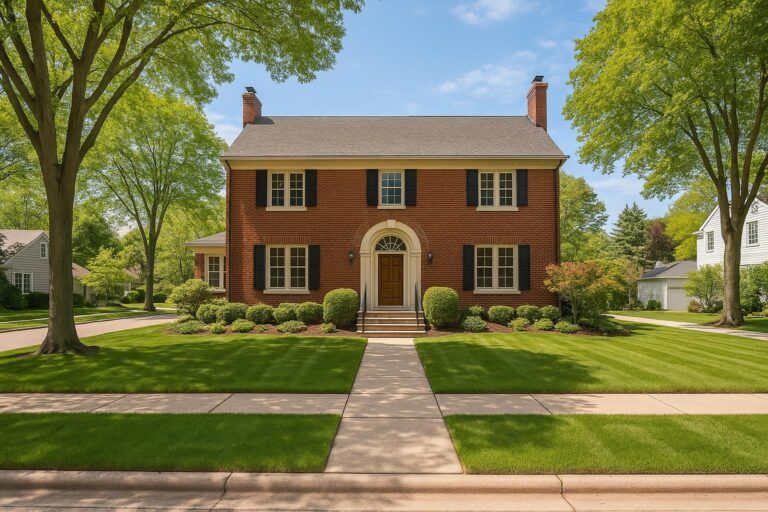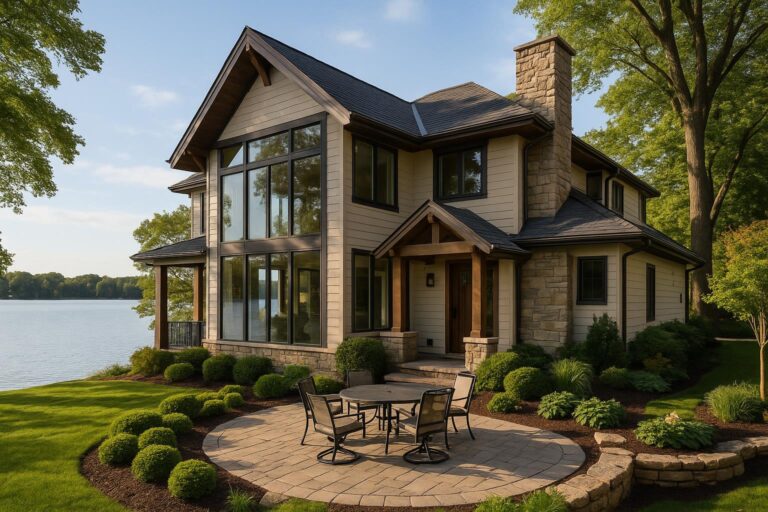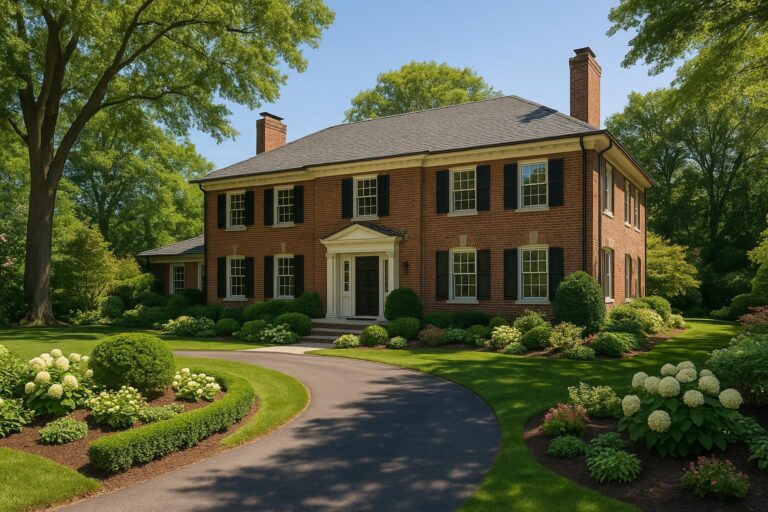
How Should I Handle Inspection Requests Selling My East Grand Rapids Home?
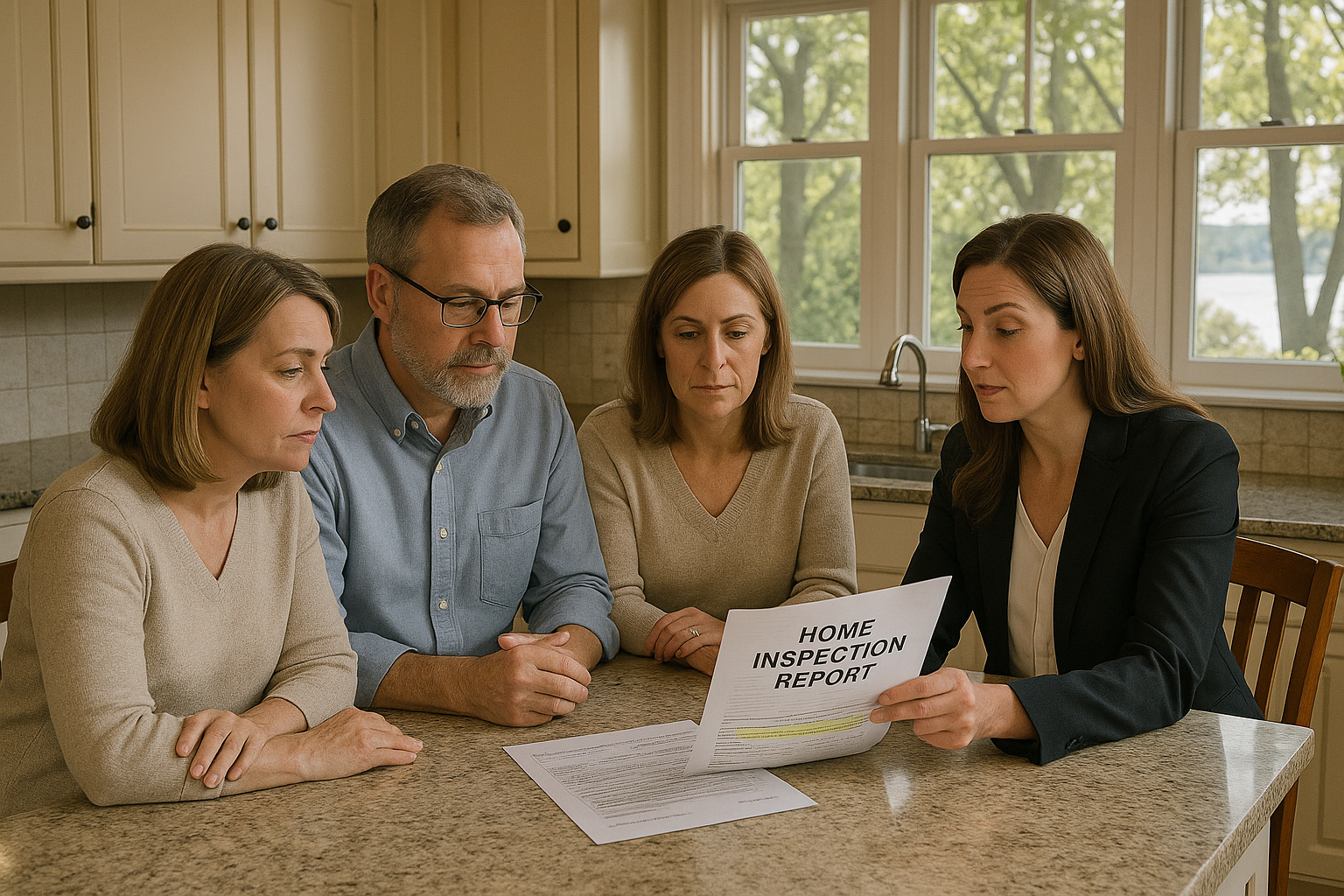
If you’re selling your East Grand Rapids home, inspection requests are one of the most common—and sometimes stressful—parts of the process. Buyers nearly always hire a professional inspector, and their report often leads to repair requests or requests for credits. How you handle these requests can impact whether your deal moves forward, how much you net, and how quickly you get to closing.
Quick Answer
In East Grand Rapids, sellers typically receive a list of requested repairs or credits after the buyer’s inspection. Your options are to agree, negotiate, or decline—each choice has trade-offs. Most sellers negotiate repairs or offer a credit to keep the transaction moving, especially when there’s only one strong offer.
It’s important to evaluate which requests are reasonable, what’s customary in our local market, and how they might affect your bottom line or timeline. If you’re dealing with this situation, I’m happy to walk through it with you.
1. Prioritize Major vs. Minor Repairs
Not every inspection request is created equal. In East Grand Rapids—especially in older homes near Reeds Lake or Gaslight Village—buyers often focus on major issues like roofs, foundations, electrical, plumbing, or HVAC. Minor cosmetic items (think: sticky doors or scuffed trim) rarely kill a deal, but big-ticket items can cause buyers to walk away or renegotiate.
Jason’s take: I recommend addressing health and safety concerns first. For smaller cosmetic issues, you can often negotiate or push back. If your home is in a pocket where buyers expect turnkey condition (like certain renovated areas near Wealthy Street), be prepared for more scrutiny on details.
2. Decide: Repair, Credit, or Say No?
Sellers usually have three main ways to respond: agree to repairs, offer a credit (money off at closing), or decline the request. If the buyer’s lender will require repairs for financing (like safety or code issues), it’s often easier to address those up front. For other repairs, offering a credit can simplify things and let the buyer handle the work after closing.
Rule of thumb: If the repair is under $500 and easy to fix, it’s often worth handling to avoid drama. For bigger items, get quotes before responding. Sometimes, saying “no” is the right move—especially if you have backup offers or strong showing activity.
3. Timing and Leverage: When to Push Back
Your leverage depends on your position in the market. If you had multiple offers or strong showing activity early (common for homes near East Grand Rapids High School or Breton Downs), you may have more room to push back or refuse non-essential requests. If your home has been sitting or is priced at a less-competitive tier, consider negotiating to keep your buyer locked in.
Jason’s take: In my experience, sellers with well-presented homes—especially those recently updated or staged—tend to have stronger negotiating power on inspection requests. But even with leverage, be realistic: buyers expect some give-and-take unless you’re in a true bidding war.
4. Communicate and Document Everything
Respond to inspection requests in writing, ideally with your agent guiding every step. If you agree to repairs, specify exactly what will be done, by whom, and when. If you’re giving a credit, make sure it’s reflected in the purchase agreement addendum. Proper documentation protects you from future disputes and keeps the closing process smooth.
It’s also wise to review what a home inspection covers and HUD’s guidance on inspection issues so you understand both your obligations and the buyer’s expectations. Your agent should handle most of the back-and-forth, but you should always know what you’re agreeing to and why.
Real Seller Case Study
Last summer, I listed a classic painted-siding home just off Wealthy Street in the $800K range. After a busy first weekend and two competing offers, the accepted buyer submitted inspection requests for several items: a minor roof repair, GFCI outlet upgrades, and a small plumbing leak in the basement. The sellers agreed to the electrical and plumbing fixes, but declined the roof repair, offering a $1,200 credit instead. The buyer accepted, and the deal closed on time. By prioritizing safety-related repairs and negotiating a fair credit, the sellers kept the sale on track and avoided last-minute headaches.
East Grand Rapids Market Insight
Homes near Reeds Lake often attract buyers who are willing to pay a premium for location, but these buyers are also quick to notice deferred maintenance or outdated systems. In my experience, a well-maintained exterior and recent updates help reduce the number (and intensity) of inspection requests. On the other hand, older homes near Gaslight Village sometimes lead to longer inspection reports, but buyers there may be more forgiving if the property’s character shines through.
Frequently Asked Questions About Selling in East Grand Rapids
What happens if I refuse a buyer’s inspection request?
The buyer can accept your decision, try to renegotiate, or walk away (depending on their contingency terms). We’ll evaluate your leverage before deciding.
Should I complete repairs myself or give a credit?
If repairs are straightforward and you have trusted contractors, completing them can speed up closing. Otherwise, a credit gives buyers flexibility and reduces your hassle.
How long do I have to respond to inspection requests?
Most East Grand Rapids purchase agreements require a response within 2–5 business days. Your agent will track the timeline and help you avoid missing deadlines.
Can inspection issues affect the buyer’s loan?
Yes. Major safety or code issues may need to be fixed for the buyer’s lender to approve financing, especially for FHA, VA, or RD loans.
Related East Grand Rapids Seller Resources
- What Happens If the Title Search Finds a Problem With My Grand Rapids Home?
- How do I handle showings for my Grand Rapids home if I have a busy schedule?
- How to Price a Unique Forest Hills Home With Few Comparable Sales
About the Author
Jason Pohlonski
is a Michigan licensed real estate salesperson with Keller Williams Grand Rapids East. He helps buyers and sellers throughout East Grand Rapids, Grand Rapids, Forest Hills, Ada, Byron Center, Jenison, Cascade, and surrounding West Michigan communities.
Jason began his real estate career in Chicago in 2004, later expanding his experience in Ann Arbor from 2014 to 2019, and has been serving clients in the Grand Rapids area since 2019.
With over 20 years of combined real estate experience across multiple markets, Jason focuses on helping clients make clear real estate decisions involving pricing, offer terms, inspections, appraisals, relocation timing, and buy-sell planning.
Industry Recognition
Jason is recognized by platforms and industry organizations including Zillow, Grand Rapids Magazine Real Estate All-Stars, and Real Producers for his work serving West Michigan buyers and sellers.
Jason also supports One More Moment, a nonprofit that grants wishes to late-stage cancer patients, by donating $100 for every successful closing.
Professional Disclosure
Jason Pohlonski
Michigan Licensed Real Estate Salesperson
License Verification: Verify Michigan License #6501386166
Brokerage: Keller Williams Grand Rapids East
Brokerage Office: 1555 Arboretum Dr. SE, Grand Rapids, MI 49546
📱 Call or text: 616-916-9770
📅 Schedule consultation:
https://calendly.com/pohlonskirealestate/30min
📧 Email: jpohlonski@kw.com
This article reflects real client experiences and market conditions in East Grand Rapids, Grand Rapids, and surrounding West Michigan communities at the time of publication. Real estate outcomes can vary depending on market conditions, property characteristics, buyer demand, financing terms, inspection results, appraisal results, and lender requirements.
This article is for general informational purposes only and is not legal, tax, financial, insurance, engineering, inspection, or appraisal advice. Buyers and sellers should consult qualified professionals before making decisions involving financing, insurance, inspections, taxes, legal issues, property risk, or valuation.