What Should I Look for in a Grand Rapids Home Inspection?
When you’re buying a home in Grand Rapids, the home inspection report can make or break your decision—and your peace of mind. The key is knowing which issues are “normal” for the area, which ones are red flags, and which items could give you negotiating power or reason to walk away. Here’s what I tell my buyer clients to focus on in a typical Grand Rapids inspection report.
Quick Answer
Focus on the big-ticket items: roof, foundation, electrical, plumbing, and HVAC. These are the systems that can cost the most to repair and are most likely to affect your ability to get financing or insurance.
Don’t get distracted by cosmetic issues or minor repairs that are common in older Grand Rapids homes. The goal is to understand the home’s true condition, your risk, and what you can realistically negotiate. If you’re dealing with this situation, I’m happy to walk through it with you.
1. Prioritize Major Systems and Structural Issues
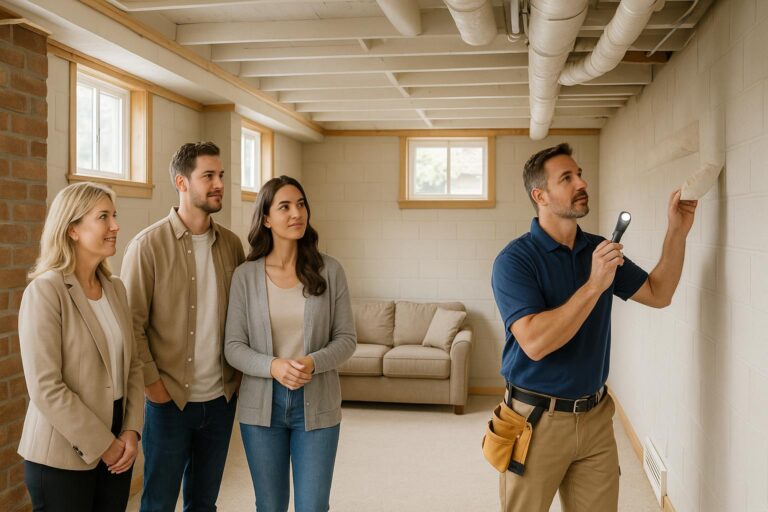
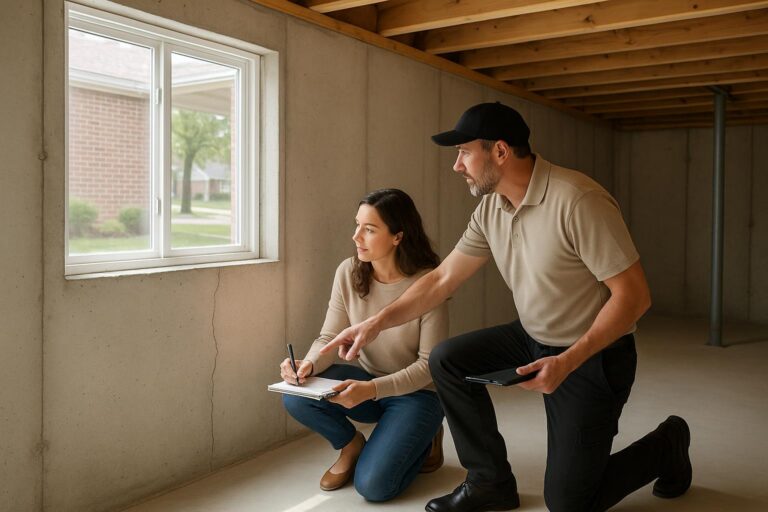
In Grand Rapids, many homes date back to the 1920s–1970s. That means the condition of the roof, foundation, and major systems is especially important. Review the inspection report for any mention of roof leaks, sagging, missing shingles, or evidence of water intrusion in the attic. Foundation cracks, uneven floors, or signs of water in the basement are also common findings that need close attention here.
For mechanical systems, check the age and condition of the furnace, air conditioning, plumbing, and electrical panels. Repairs or replacements can run into the thousands, and older “knob and tube” wiring or galvanized plumbing still shows up in some Grand Rapids neighborhoods. These issues can also impact your ability to get a mortgage or affordable homeowners insurance. For more information on common home systems and risks, see the Consumer Financial Protection Bureau’s inspection guide.
Jason’s take: If you see structural settlement or evidence of water in the basement, get a specialist’s opinion before moving forward. I’ve seen buyers save thousands by catching these issues early.
2. Evaluate Safety and Code Concerns
Local inspectors in Grand Rapids call out safety issues like missing handrails, outdated smoke detectors, or electrical hazards. While some of these are quick fixes, others—like double-tapped breakers or improper GFCI outlets—can be more serious. Lenders and insurance companies may require certain repairs before closing, especially for government-backed loans like FHA or VA. The HUD inspection FAQ covers some of these requirements.
Look for anything labeled “safety hazard” or “not to code.” Even if you’re comfortable with DIY repairs, these items can affect your offer negotiation and your future resale value.
Jason’s take: I always flag “safety” items for my buyers, even if they seem minor. Small electrical or stairway issues can become negotiation points—or deal killers if ignored.
3. Understand What’s “Normal” in Grand Rapids Homes
It’s easy to panic when you see a long list of inspection items, but many issues are typical for West Michigan homes. For example, minor foundation cracks, older windows, or settled concrete walkways are extremely common in Grand Rapids, especially in historic neighborhoods like Eastown, Heritage Hill, or Alger Heights. Sellers rarely agree to fix every little thing, and most buyers accept some normal wear and tear.
Use this rule of thumb: focus on items that affect safety, structure, or your ability to get financing. Don’t sweat normal aging or minor repairs unless they hide a bigger problem. If you’re unsure, I’ll help you compare the report to others in the area so you know what’s standard versus what’s unusual.
Local insight: In the $250k–$400k range, it’s common for buyers to accept some old windows or dated finishes, but major system problems (like a 25-year-old furnace) can still be strong negotiation points.
4. Turning the Report into Negotiation Leverage
After the inspection, you’ll have a short window (usually 5–10 days) to request repairs or credits from the seller. Focus your negotiation on the biggest and most urgent issues. In competitive price ranges—like under $350k in Forest Hills or East Grand Rapids—buyers often accept more minor issues to keep their offer strong, but sellers are more likely to address costly problems that could scare off future buyers.
Here’s a practical framework: group your requests into “must fix,” “would like fixed,” and “can handle myself.” Be realistic—asking for every small repair can backfire in a multiple-offer situation. If you’re not sure what’s fair to request, I’ll show you how similar homes and offers have played out in your target neighborhood.
Real Buyer Case Study
Last year, I worked with first-time buyers on a $325k home in the Creston neighborhood. The inspection revealed an aging roof, an outdated electrical panel, and minor plumbing leaks. With three competing offers on the table, my buyers focused their repair requests on the roof and electrical—items that could affect insurance and safety. The seller agreed to a $4,000 closing credit instead of making repairs. My buyers used that credit to immediately address the most urgent issues after closing, and they were able to move forward without losing the home to another offer.
Grand Rapids Buyer Market Insight
Right now, most Grand Rapids buyers expect to see some inspection items, especially in homes built before 1980. In hotter price ranges (under $350k), buyers are more likely to accept cosmetic or minor issues but still push for seller help with big-ticket concerns. In higher-end or slower-moving segments, buyers have more leverage to negotiate repairs or credits—even for less urgent items. Knowing where your target home falls on that spectrum is key to setting realistic expectations and crafting a winning offer.
Frequently Asked Questions About Buying in Grand Rapids
What’s the biggest red flag in a Grand Rapids inspection report?
Major structural problems (like foundation movement or serious water intrusion) and aging roofs or HVAC systems are the most expensive to fix and should be prioritized. These can also affect your ability to get a mortgage or insurance.
Can I back out if the inspection report is bad?
Yes, as long as your offer included an inspection contingency (which is standard in Grand Rapids). You can negotiate repairs, ask for credits, or walk away if the issues are too costly or risky.
Are sellers in Grand Rapids willing to fix inspection items?
It depends on the market and the severity of the issues. Sellers are more likely to address safety hazards or major system failures than cosmetic or minor repairs, especially if there are multiple offers.
How do inspection decisions affect my offer strength?
Waiving or limiting inspection requests can make your offer more attractive in a competitive market, but it increases your risk. Focus on big-ticket or safety issues in negotiations to balance risk and offer strength.
Related Grand Rapids Buyer Resources
- What Should I Consider About the Condition of My Grand Rapids Home Before Listing It for Sale?
- Should I Buy a Home in Grand Rapids Now or Wait?
- How to Handle Showings When Selling in Forest Hills
About the Author
Jason Pohlonski
is a Michigan licensed real estate salesperson with Keller Williams Grand Rapids East. He helps buyers and sellers throughout Grand Rapids, East Grand Rapids, Forest Hills, Ada, Byron Center, Jenison, Cascade, and surrounding West Michigan communities.
Jason began his real estate career in Chicago in 2004, later expanding his experience in Ann Arbor from 2014 to 2019, and has been serving clients in the Grand Rapids area since 2019.
With over 20 years of combined real estate experience across multiple markets, Jason focuses on helping clients make clear real estate decisions involving pricing, offer terms, inspections, appraisals, relocation timing, and buy-sell planning.
Industry Recognition
Jason is recognized by platforms and industry organizations including Zillow, Grand Rapids Magazine Real Estate All-Stars, and Real Producers for his work serving West Michigan buyers and sellers.
Jason also supports One More Moment, a nonprofit that grants wishes to late-stage cancer patients, by donating $100 for every successful closing.
Professional Disclosure
Jason Pohlonski
Michigan Licensed Real Estate Salesperson
License Verification: Verify Michigan License #6501386166
Brokerage: Keller Williams Grand Rapids East
Brokerage Office: 1555 Arboretum Dr. SE, Grand Rapids, MI 49546
📱 Call or text: 616-916-9770
📅 Schedule consultation:
https://calendly.com/pohlonskirealestate/30min
📧 Email: jpohlonski@kw.com
This article reflects real client experiences and market conditions in Grand Rapids and surrounding communities at the time of publication. Real estate outcomes can vary depending on market conditions, property characteristics, buyer demand, financing terms, inspection results, appraisal results, and lender requirements.
This article is for general informational purposes only and is not legal, tax, financial, insurance, engineering, inspection, or floodplain determination advice. Buyers and sellers should consult qualified professionals before making decisions involving financing, insurance, inspections, taxes, legal issues, or property risk.