Choosing a Resale Home or Fixer-Upper in Grand Rapids
When choosing between a resale home and a fixer-upper in Grand Rapids, buyers should start by clarifying their comfort level with repairs, timeline for moving, and true all-in budget. In this market, the best decision comes from directly comparing the total cost, effort, and long-term value—not just the sticker price. Understanding how local inventory, competition, and renovation resources work in Grand Rapids is key to making a confident, informed choice.
Quick Answer
If you want to move quickly and avoid the risks of major repairs, a well-maintained resale home in Grand Rapids typically offers the smoothest path—especially in popular neighborhoods where demand runs high. However, if you have flexibility, access to renovation funds, and a vision for customizing your space, a fixer-upper can be a smart way to build equity and access locations or price points that might otherwise be out of reach.
The main strategy is to calculate the true “finished” cost of each option—including repairs, upgrades, and carrying costs—before making an offer. If you’re on the fence, I can help walk you through recent local examples so you can see which route aligns best with your goals and resources.
1. Comparing Upfront Costs and True All-In Budget
Many Grand Rapids buyers first notice that fixer-uppers are listed at lower prices than comparable resale homes. But the real decision comes down to what you’ll spend after closing. The true all-in cost should include your purchase price, estimated renovation expenses (materials and labor), permits, and holding costs such as extra mortgage payments while work is completed. The Consumer Financial Protection Bureau recommends buyers estimate all closing and renovation costs before committing.
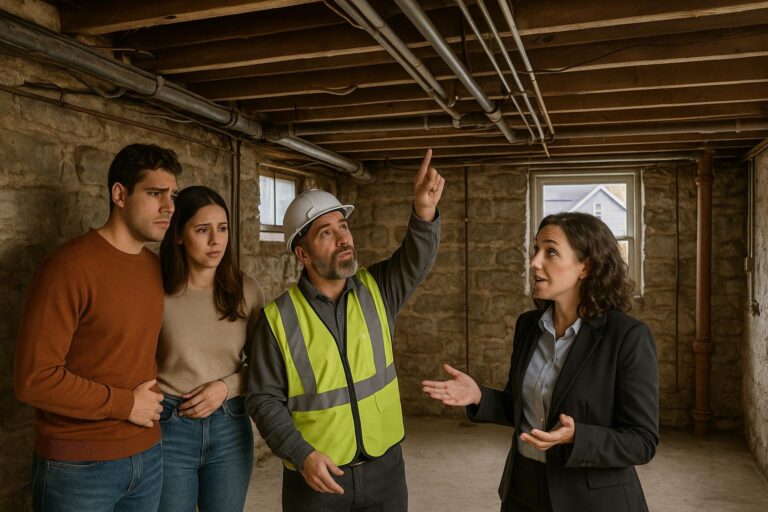
Jason’s take: In Grand Rapids, I often see buyers underestimate renovation costs by 15–20%, especially for older homes with hidden issues like knob-and-tube wiring or foundation repairs. Getting contractor bids before you write an offer—and budgeting a healthy cushion—can prevent surprises and help you compare apples to apples with resale homes.
2. Evaluating Timeline and Move-In Readiness
If you need to move within 30–60 days, most buyers find that a resale home is the clear winner. These homes are often move-in ready, with only minor updates or repairs needed. In contrast, a fixer-upper could require weeks or months of renovation before you can safely occupy the property. This means you might need temporary housing or to pay two mortgages during the overlap.
For buyers relocating to Grand Rapids or juggling a home sale elsewhere, a resale home usually offers much more predictability and less logistical stress. If your timeline is flexible, a fixer-upper can work—but only if you’re comfortable with the uncertainty of repair schedules, permit approvals, and potential delays. The FHA 203(k) loan program is one option that can help finance both the purchase and repairs, but it comes with extra steps and longer closing times.
3. Understanding Market Competition and Offer Strategy
In Grand Rapids, move-in ready resale homes—especially in hot neighborhoods like Eastown, Alger Heights, and Forest Hills—often attract multiple offers and sell above asking. Fixer-uppers, on the other hand, sometimes sit longer and may allow for more negotiation, particularly if major repairs are needed. I’ve seen buyers win with below-list offers on homes needing significant work, especially if they’re able to move quickly with cash or strong financing.
Jason’s take: In the $200–$350k range, buyers who are handy or willing to manage renovations can sometimes avoid the intense bidding wars on updated homes. But remember, the best fixer-uppers still get attention from investors—so you’ll need to move fast and show you’re serious, often by waiving minor inspection requests or demonstrating proof of renovation funds.
4. Decision Framework: Matching Needs, Skills, and Resources
Here’s a simple rule of thumb I share with Grand Rapids buyers: If you can comfortably live through (or delay your move for) 2–6 months of repairs, have access to extra funds, and enjoy personalizing your home, a fixer-upper can be worth the effort. If you need a predictable move-in date, don’t want to manage contractors, or are using a low-down-payment loan, a resale home almost always makes more sense.
It’s important to factor in your risk tolerance. Even with a thorough inspection, fixer-uppers can bring surprises. On the flip side, some resale homes may be priced at a premium due to recent upgrades you might not value. Take time to compare your “must-haves” list, true total costs, and willingness to take on a project. This framework helps most buyers feel confident in their final decision.
Real Buyer Case Study
Last year, I worked with first-time buyers looking in the $250–$300k range near Creston. They loved the charm of older homes but wanted to avoid major construction. We toured several fixer-uppers needing $50k+ in updates, but after calculating the renovation timeline and costs, they opted for a well-maintained 1950s ranch. We competed with three other offers, but by including a flexible closing date and a strong appraisal gap, we secured the home for $6,000 over list. They moved in within 45 days with only minor cosmetic updates needed.
Grand Rapids Buyer Market Insight
In today’s Grand Rapids market, updated resale homes in popular school districts often trigger bidding wars, with buyers offering appraisal guarantees and flexible possession dates to stand out. By contrast, homes needing extensive updates usually see less competition—unless they’re priced aggressively for investors or flippers. Buyers willing to take on projects can sometimes access neighborhoods or school zones that would otherwise be out of budget if they only considered move-in ready homes.
Frequently Asked Questions About Buying in Grand Rapids
- How do I estimate renovation costs for a fixer-upper?
Get multiple contractor bids before making an offer and build in a 15–20% buffer for unforeseen repairs. I can connect you with trusted local pros. - Can I use a mortgage to buy a fixer-upper?
Yes, options like the FHA 203(k) loan allow you to finance purchase and repairs, but they require more paperwork and longer closings. - Are inspections different for fixer-uppers?
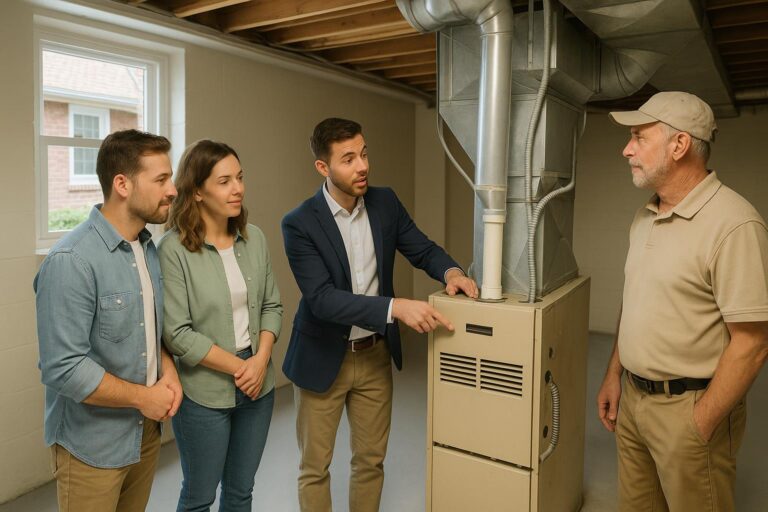
Inspections are even more important for fixer-uppers. Focus on major systems—roof, foundation, plumbing, and electrical—to avoid costly surprises. - How do resale and fixer-upper homes appreciate in Grand Rapids?
Resale homes offer more predictable appreciation, but fixer-uppers can deliver higher equity gains if renovations are managed well and local values rise.
Related Grand Rapids Buyer Resources
- Key Title Work Steps for Grand Rapids Home Buyers
- What Should I Do If My Grand Rapids Home Isn’t Getting Offers?
- Should I Accept a Cash Offer on My Grand Rapids Home?
About the Author
Jason Pohlonski
is a Michigan licensed real estate salesperson with Keller Williams Grand Rapids East. He helps buyers and sellers throughout Grand Rapids, East Grand Rapids, Forest Hills, Ada, Byron Center, Jenison, Cascade, and surrounding West Michigan communities.
Jason began his real estate career in Chicago in 2004, later expanding his experience in Ann Arbor from 2014 to 2019, and has been serving clients in the Grand Rapids area since 2019.
With over 20 years of combined real estate experience across multiple markets, Jason focuses on helping clients make clear real estate decisions involving pricing, offer terms, inspections, appraisals, relocation timing, and buy-sell planning.
Industry Recognition
Jason is recognized by platforms and industry organizations including Zillow, Grand Rapids Magazine Real Estate All-Stars, and Real Producers for his work serving West Michigan buyers and sellers.
Jason also supports One More Moment, a nonprofit that grants wishes to late-stage cancer patients, by donating $100 for every successful closing.
Professional Disclosure
Jason Pohlonski
Michigan Licensed Real Estate Salesperson
License Verification: Verify Michigan License #6501386166
Brokerage: Keller Williams Grand Rapids East
Brokerage Office: 1555 Arboretum Dr. SE, Grand Rapids, MI 49546
📱 Call or text: 616-916-9770
📅 Schedule consultation:
https://calendly.com/pohlonskirealestate/30min
📧 Email: jpohlonski@kw.com
This article reflects real client experiences and market conditions in Grand Rapids and surrounding communities at the time of publication. Real estate outcomes can vary depending on market conditions, property characteristics, buyer demand, financing terms, inspection results, appraisal results, and lender requirements.
This article is for general informational purposes only and is not legal, tax, financial, insurance, engineering, inspection, or floodplain determination advice. Buyers and sellers should consult qualified professionals before making decisions involving financing, insurance, inspections, taxes, legal issues, or property risk.