What should I know about radon when buying a home in Grand Rapids?
If you’re thinking about buying a home in Grand Rapids, you’ve probably heard something about radon. Radon is a naturally occurring gas that can show up in homes, and buyers here often ask if it’s a real concern or just another inspection box to check. Here’s what you should actually know about radon when purchasing in Grand Rapids.
Quick Answer
Radon is a colorless, odorless gas that can enter homes through the ground. In Grand Rapids, like much of West Michigan, radon levels can vary from house to house—even on the same block. The only way to know if a home has high radon is to test for it during your inspection period.
If a home tests high for radon, installing a mitigation system is a common solution. This is something that can be addressed during negotiations or after closing. If you’re dealing with this situation, I’m happy to walk through it with you.
What Is Radon and Why Does It Matter in Grand Rapids?
Radon is a radioactive gas that comes from the natural breakdown of uranium in soil, rock, and water. It can seep up through the ground and into homes—especially those with basements or crawl spaces. You can’t see, smell, or taste radon, so there’s no way to detect it without a test.
Why does this matter in Grand Rapids? The geology of West Michigan means that radon levels can be unpredictable, even between neighboring homes. Long-term exposure to high radon levels is considered a health risk, so testing is recommended during the buying process. It’s a standard part of most local home inspections and something buyers should pay attention to—not just gloss over.
How Radon Testing Works During a Grand Rapids Home Purchase
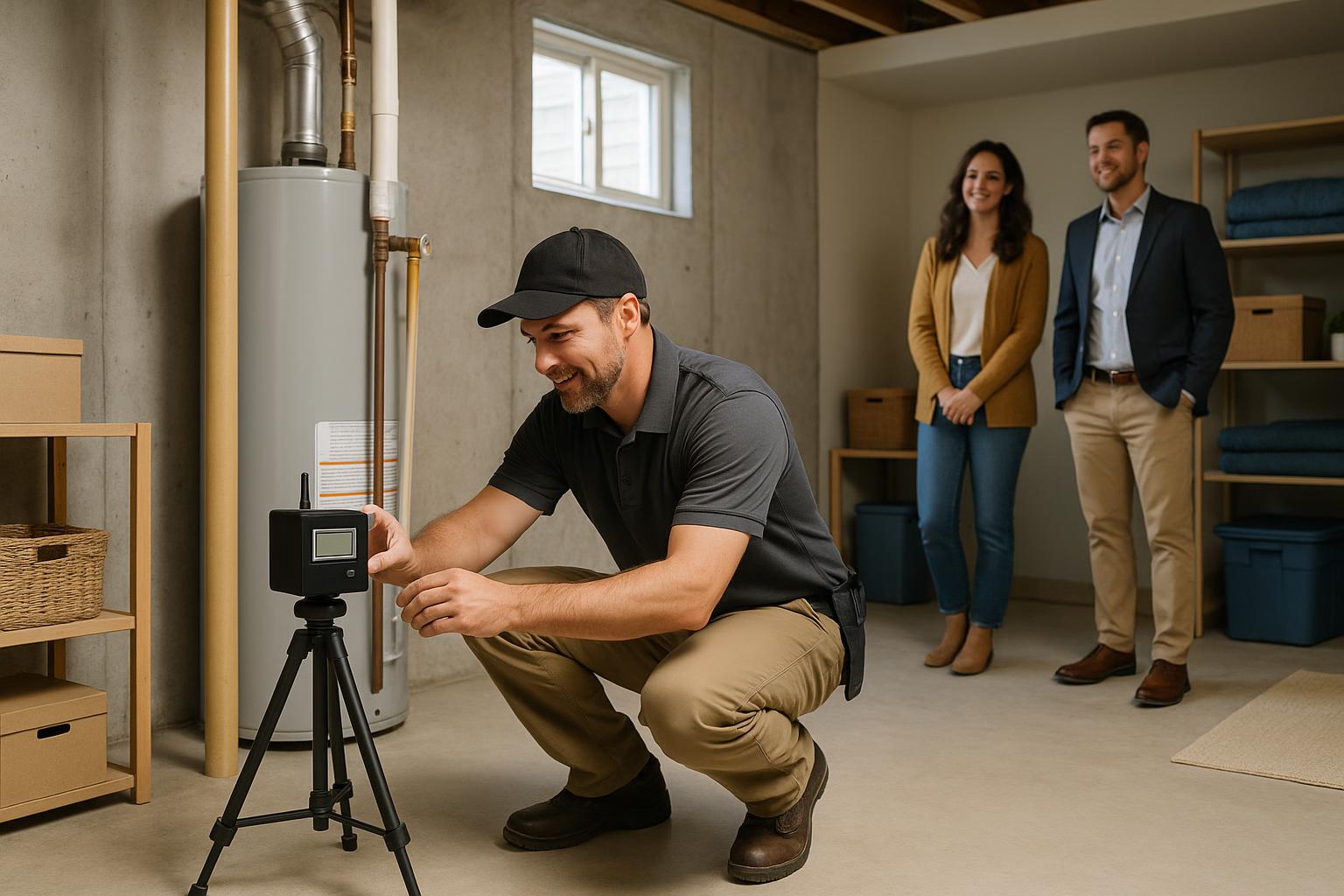
During your inspection period, you can add a radon test as part of your home inspection. A professional will set up a device—usually in the lowest livable area, like the basement—that samples the air for a couple of days. The device measures the average radon level over that time, and you get a report with the results.
It’s important to know that even if a neighbor’s home tested low for radon, that doesn’t guarantee your future house will. Testing is specific to each property. If you’re concerned about timing, radon tests can often be coordinated to fit within the inspection window, but ask your inspector up front about turnaround times.
Want to Talk Through Your Situation?
Radon is one of those issues that feels technical, but it comes up often in Grand Rapids. If you want to talk through what radon testing means for your purchase or how to handle it if high levels are found, just reach out.
Schedule a Buyer Consultation or call/text 616-916-9770.
What Happens If High Radon Is Found?
If your test shows elevated radon, don’t panic. High radon is common enough that local buyers, sellers, and agents know how to handle it. A radon mitigation system—essentially a venting system that moves radon out from below the house—can bring levels down to what’s considered safe.
Depending on the purchase agreement, lender requirements, and the seller’s willingness, possible options may include requesting the seller to install a mitigation system, negotiating a credit, or deciding if you’re comfortable handling it after closing. Always talk with your inspector and your agent about the best approach for your situation.
Jason’s take: In my experience, radon comes up more often than buyers expect, but it’s rarely a dealbreaker. Most Grand Rapids sellers are open to addressing it once it’s documented.
Rule of Thumb: When Should You Worry About Radon?
Here’s a simple framework: If the home has a basement or crawl space (which is common in Grand Rapids), or if it’s built on a slab with direct ground contact, test for radon. Even newer homes can have high levels, so age isn’t a reliable indicator.
If your test comes back above the EPA’s recommended action level, talk with your agent about your next steps. The key is not to skip the test or assume a house is “safe” because of location or age. Testing is straightforward and gives you real information to work with. For more on home inspections in general, check out this CFPB guide to home inspections.
Grand Rapids Buyer Example
For example, imagine a Grand Rapids buyer who’s found a house they love with a finished basement. During the inspection, a radon test shows levels above the EPA guideline. The buyer discusses options with their agent, who helps them request that the seller install a mitigation system before closing. This way, the buyer knows they’re moving into a home where the radon issue has already been addressed.
How Radon Can Affect Your Grand Rapids Home Buying Process
In Grand Rapids, radon is one of those inspection items that can pop up regardless of the neighborhood or home style. I tend to see buyers more likely to test if the house has a basement or if they’re planning to use lower-level rooms as bedrooms or living space. Some buyers also want to test if they’re relocating from out of state and aren’t sure about Michigan’s geology.
Radon results can affect negotiations, especially if a system needs to be installed. Weather can also play a role—heavy rain or snowmelt can sometimes influence test results, so it’s worth discussing timing with your inspector if you’re buying during spring thaw or after big storms. For more information about the home buying process, the CFPB has a helpful overview here.
Frequently Asked Questions About Buying in Grand Rapids
Is radon testing always included with a Grand Rapids home inspection?
Not always. Radon testing is often an add-on to the standard inspection package, so let your inspector know you want it included.
How long does a radon test take?
Most tests run for 48 hours, but timing can vary based on the inspector’s process and your contract deadlines. Ask about turnaround time when scheduling.
Can I ask the seller to pay for a radon mitigation system?
Depending on your contract, the seller’s willingness, and lender requirements, you can often request the seller to address high radon by installing a mitigation system or negotiating a credit.
Is radon only a concern in older Grand Rapids homes?
No, radon can be found in both older and newer homes. It depends on the ground below the house, not just the age or condition of the property.
Related Grand Rapids Buyer Resources
- Grand Rapids Weekly Market Report: October 4, 2026
- Forest Hills Weekly Market Report: October 4, 2026
- Jenison Weekly Market Report: October 4, 2026

Industry Recognition
Jason is recognized by platforms and industry organizations including Zillow, Grand Rapids Magazine Real Estate All-Stars, and Real Producers for his work serving West Michigan buyers and sellers.
Jason also supports One More Moment, a nonprofit that grants wishes to adults with cancer, by donating $100 from every successful closing.
Professional Disclosure
Jason Pohlonski
Michigan Licensed Real Estate Salesperson
Verify Michigan License #6501386166
Brokerage: Keller Williams Grand Rapids East
Brokerage Office: 1555 Arboretum Dr. SE, Grand Rapids, MI 49546
Call or text: 616-916-9770
Schedule a 30-minute consultation
Email: jpohlonski@kw.com
This article reflects Jason’s experience working with buyers and sellers and market conditions in Grand Rapids and surrounding communities at the time of publication. Real estate outcomes can vary depending on market conditions, property characteristics, buyer demand, financing terms, inspection results, appraisal results, and lender requirements.
This article is for general informational purposes only and is not legal, tax, financial, insurance, engineering, inspection, or floodplain determination advice. Buyers and sellers should consult qualified professionals before making decisions involving financing, insurance, inspections, taxes, legal issues, or property risk.