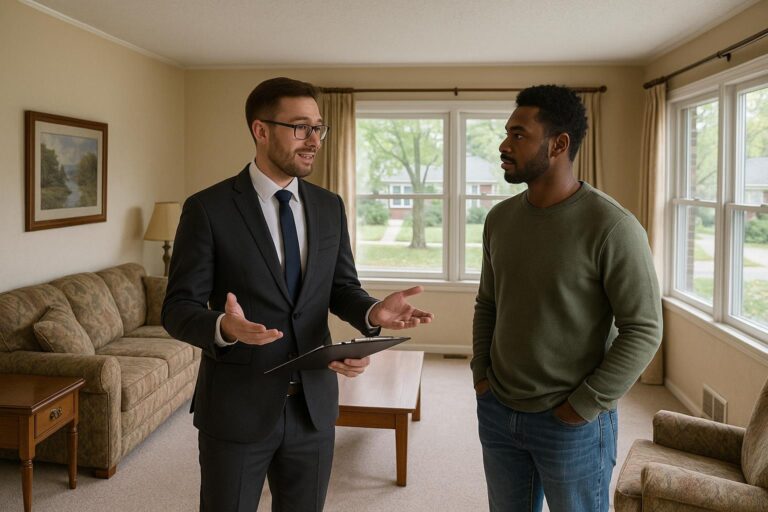
Understanding Grand Rapids Sellers’ Options for Leaseback Agreements
If you’re preparing to sell your Grand Rapids home but need extra time to move after closing, you might be wondering what your options are. Leaseback agreements, sometimes called post-closing occupancy or seller rent-back, can help bridge the gap between selling and moving out. But these arrangements come with important details and decisions for sellers to weigh.
Knowing how leasebacks work, what to expect, and what to negotiate can help you avoid surprises and make a confident decision about your next move.
Quick Answer
Grand Rapids sellers may be able to stay in their home for a set period after closing by negotiating a leaseback with the buyer. This gives you time to coordinate your move, but it’s important to agree on rent, duration, and responsibilities up front.
If you’re dealing with this, I’m happy to walk through it with you.
What Is a Leaseback and When Might a Seller Need One?
A leaseback lets a seller remain in their home for an agreed period after closing, paying rent to the new owner. This can be useful if you’re waiting on your next home to be ready, need extra time to move, or want to avoid temporary housing between transactions.
Sellers sometimes consider a leaseback when their closing dates don’t align or when they’re unsure about the timing of their next move. If you know you’ll need additional occupancy after closing, it’s best to raise this early so it can be part of the purchase agreement negotiations.
Key Terms to Negotiate in a Leaseback Agreement
As a seller, you’ll want to be clear on several points before agreeing to a leaseback. First, the length of the leaseback should be specific—whether it’s a few days, a couple of weeks, or longer. The rent amount should also be agreed upon; some buyers expect a daily rate, while others may be open to a flat fee or credit at closing.
Other details to consider include the security deposit, who handles utilities, insurance requirements, and whether any repairs or maintenance will be needed during your occupancy. Documenting everything in writing helps prevent misunderstandings after closing.
How Leasebacks Can Affect Your Selling Timeline and Moving Plans
Leasebacks can provide flexibility, but they also mean you’ll be a tenant in your former home. That can feel different than living there as an owner, and you’ll need to be prepared for the buyer’s expectations. Some buyers may be flexible, while others could want you out as soon as possible, so it’s important to set realistic expectations and understand your obligations.
Planning your move around a leaseback requires coordination, especially if you’re also buying another home. Build in enough time to avoid feeling rushed, but keep in mind that buyers may have limits on how long they’re willing to allow you to stay. The right balance can help you avoid last-minute stress or extra costs for temporary housing.
Want to Talk Through Your Situation?
If you’re considering a leaseback after selling your Grand Rapids home, let’s discuss the details and see what fits your plans.
Schedule a Seller Consultation or call/text 616-916-9770.
Risks and Considerations for Sellers in a Leaseback
While a leaseback can solve timing issues, it’s not without risk. You’ll need to keep the home in good shape, follow the terms of the agreement, and be ready to move out by the agreed date. If something delays your next move, you might face penalties or additional rent. There could also be insurance or liability issues to review, since you no longer own the home after closing.
It’s a good idea to review the leaseback terms with your real estate professional and, if needed, your attorney. Make sure you’re comfortable with all terms before signing. If you’re unsure about how the agreement might affect your plans, don’t hesitate to ask questions and request changes before finalizing the deal.
Alternatives to a Leaseback Agreement
If a leaseback doesn’t fit your needs, there are other ways to handle possession timing. You might be able to negotiate a later closing date, arrange for temporary storage, or stay with family or friends during the gap between homes. Each option has its own tradeoffs and costs, so weigh what matters most for your situation.
In some cases, sellers decide that moving out before closing is the simplest route, especially if they want to avoid the responsibility and uncertainty of a leaseback. Consider your comfort level and timeline before committing to any arrangement.
Jason’s take: In my experience, a leaseback can be a practical tool for Grand Rapids sellers who need extra time, but it’s important to be realistic about the terms and your moving schedule. One issue worth considering is how flexible both sides are willing to be if something unexpected comes up—so don’t be afraid to ask detailed questions before agreeing.
Grand Rapids Seller Example
For example, imagine a Grand Rapids homeowner who receives an attractive offer but needs to stay in the home for a short period after closing because their new home won’t be ready. The seller discusses leaseback options with their agent and negotiates a written agreement with the buyer for a set number of days, a daily rent, and clear move-out terms. By reviewing the agreement in detail and planning their move with the leaseback in mind, the seller is better prepared to evaluate their options and avoid surprises at closing.
Grand Rapids Seller Market Insight
One issue worth discussing is that the flexibility a leaseback provides can depend on the specific buyer, the terms negotiated, and the seller’s own moving plans. In my experience, sellers may want to consider how the timing of their next purchase, contractor schedules, or closing dates on another property could affect their need for a leaseback. The effect can depend on the specific property and timing, so having a backup plan is always a good idea if your ideal timeline changes unexpectedly.
Frequently Asked Questions About Selling in Grand Rapids
What if the buyer doesn’t agree to a leaseback?
If the buyer isn’t comfortable with a leaseback, you may need to look at other options, such as negotiating a later closing date or arranging temporary housing until your next home is ready.
How is rent determined during a leaseback?
Rent is negotiated between the seller and buyer and can be a daily rate, a flat fee, or a credit at closing. It’s important for both parties to agree in writing before closing.
Who handles utilities and maintenance during the leaseback?
Responsibility for utilities, maintenance, and insurance during the leaseback should be specified in the agreement. Ask your real estate professional to review these terms with you before signing.
What happens if I can’t move out by the agreed date?
If you stay past the leaseback period, you could face penalties or additional rent. Review the leaseback agreement to understand your obligations, and talk to your agent or attorney if you have concerns.
Related Grand Rapids Seller Resources
- Selling Your Grand Rapids Home: Managing Overlapping Mortgage Payments
- How to Manage a Simultaneous Sale and Purchase in Grand Rapids
- How to Handle Occupancy After Selling Your Grand Rapids Home
Wondering What Your Grand Rapids Home Could Sell For?
Get a quick estimate of your home’s current value and a starting point for understanding where your property may fit in the market.

Industry Recognition
Jason is recognized by platforms and industry organizations including Zillow, Grand Rapids Magazine Real Estate All-Stars, and Real Producers for his work serving West Michigan buyers and sellers.
Jason also supports One More Moment, a nonprofit that grants wishes to adults with cancer, by donating $100 from every successful closing.
Professional Disclosure
Jason Pohlonski
Michigan Licensed Real Estate Salesperson
Verify Michigan License #6501386166
Brokerage: Keller Williams Grand Rapids East
Brokerage Office: 1555 Arboretum Dr. SE, Grand Rapids, MI 49546
Call or text: 616-916-9770
Schedule a 30-minute consultation
Email: jpohlonski@kw.com
This article reflects Jason’s experience working with homeowners, buyers, and sellers in Grand Rapids and surrounding communities at the time of publication. Real estate outcomes can vary depending on market conditions, property characteristics, pricing, buyer demand, financing terms, inspection results, appraisal results, and contract terms.
This article is for general informational purposes only and is not legal, tax, financial, insurance, engineering, inspection, appraisal, or property-condition advice. Sellers should confirm legal, tax, inspection, appraisal, title, disclosure, and property-specific questions with the appropriate qualified professionals.