Should You Renovate or Buy a New Home in Grand Rapids?
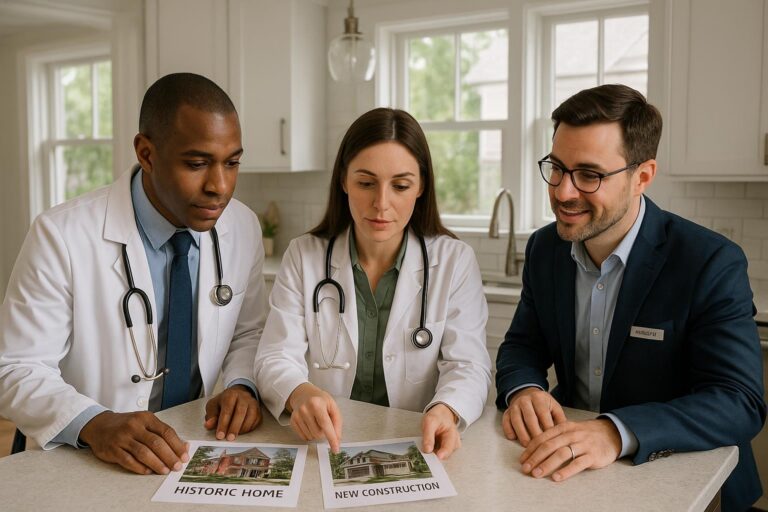
As a physician or medical professional in Grand Rapids, moving up in your career often leads to a big question: should you renovate your current home or buy a new one? This is one of the most common decisions I help local doctors, dentists, and veterinarians make, especially when your needs and lifestyle change after residency or fellowship. It’s not just about which option costs more—it’s about what fits your career, family, and real-life schedule.
Quick Answer
If you want a move-in-ready home with modern features and less disruption to your work and call schedule, buying a new home in Grand Rapids may be the better choice. If you love your location, have time for renovations, and your home’s layout can be improved, renovating could make sense. Consider your career stage, family needs, and how much time and energy you can realistically devote to the process.
1. Lifestyle and Career Considerations
Physicians and medical professionals in Grand Rapids often have demanding schedules, especially when balancing call coverage at Corewell Health, Trinity Health, or University of Michigan Health-West. Renovating while working long hours or irregular shifts can add significant stress. Contractors need access to your home, which may mean living through noise, dust, and interruptions for weeks or months. If you’re already stretched thin, buying a new home that’s ready for move-in can help you avoid disruption and keep your focus on work and family.
On the other hand, if you’ve grown attached to your neighborhood—perhaps close to Medical Mile or with a short commute to your outpatient office—renovation may let you stay in the area you love. Think about your next 5–10 years: will your kids need different schools, or will your household grow? If your current home can’t be adapted easily, or local zoning restricts major changes, buying a new property in East Grand Rapids, Forest Hills, Ada, or Cascade may better match your evolving needs.
2. Financial Factors and the Renovate vs. Buy Rule of Thumb
Before making a decision, compare the true costs of renovating versus buying. Renovation costs can escalate quickly, especially for kitchens, bathrooms, or additions. Unexpected repairs, permit requirements, and contractor delays are common. Use the “20% Rule”: if renovating your current home costs more than 20% of its current value, it often makes more sense to buy a new home that already meets your needs. For more on estimating renovation costs, the Consumer Financial Protection Bureau offers helpful budgeting tools.
Buying a new home means you’ll pay transaction costs—like agent commissions, closing costs, and possibly overlapping mortgage payments if you buy before selling. If you’re considering a physician loan, remember that eligibility, rates, and terms vary by lender. Factor in your current equity, the cost of selling, and whether you’ll need to bridge the gap between selling and moving. Renovating can add value, but not all improvements guarantee a high return when you eventually sell.
Financing note: Jason Pohlonski is not a lender. Physician loan programs, eligibility, interest rates, down payment options, loan limits, PMI requirements, and mortgage qualification standards vary by lender and borrower. Buyers should speak directly with a qualified mortgage professional before making financing decisions.
3. Timing, Commute, and Family Logistics
Timing is everything for Grand Rapids medical professionals. If you’re transitioning from residency or fellowship, your new contract start date may dictate how quickly you need to move. Renovations often take longer than expected—permits, inspections, and contractor schedules can cause delays. If you need to be settled before a new attending position starts, buying a home can offer more control over your move-in date. If you’re selling before relocating, open permits or unfinished work can complicate the sale.
Commute is another key factor. Many physicians want to stay near Medical Mile or within a short drive to area hospitals and outpatient offices. If your renovation would add square footage or amenities but worsen your commute or daily routine, consider whether the trade-off is worth it. If your current home can’t provide a practical commute or support your growing needs, looking at homes in East Grand Rapids, Forest Hills, or Ada—where many local physicians move up—may be a better fit.
4. Resale Value and Long-Term Planning
Think about your long-term goals. Are you planning to stay in Grand Rapids for the next decade, or might you relocate for another opportunity? Renovating can make sense if you plan to enjoy the improvements for several years. However, over-improving for your neighborhood can limit your return if you need to sell in a few years. Buyers in Grand Rapids often prefer move-in-ready homes, especially in popular areas like Cascade and Forest Hills, so consider future marketability when choosing between renovating and buying.
Consult with a real estate professional who understands physician needs and local trends. Reviewing recent sales in your neighborhood and comparing them to updated homes in your target area can help clarify what buyers are willing to pay. For more context, read Should You Renovate or Sell Your Grand Rapids Home Before Relocating? or visit Grand Rapids Physician Real Estate Help for tailored advice.
Local Grand Rapids Physician Real Estate Insight
Many physicians I work with compare homes in East Grand Rapids, Forest Hills, Ada, and Cascade when moving up after residency or fellowship. The most common challenge is timing—balancing a new contract start date with family needs and minimizing disruption from renovations or moving. In several cases, buyers initially planned to renovate but ultimately chose to purchase a newer home to simplify their schedules and reduce stress around call coverage and move-in logistics.
Realistic Physician Buyer or Seller Scenario
Recently, a physician couple living near downtown Grand Rapids faced this exact decision. Their home’s layout didn’t support their growing family, and extensive renovations—including a new kitchen and main suite—were estimated at $175,000, more than 25% of their home’s current value. With a new attending contract starting at Corewell Health in three months, they decided to purchase a move-in-ready home in Forest Hills for $675,000. This choice allowed them to close and settle in before their contract started, with a shorter commute and less disruption to their family routine.
Frequently Asked Questions About Physician Real Estate in Grand Rapids
- What renovations add the most value in Grand Rapids homes?
Kitchen and bathroom updates, open floor plans, and adding finished living space typically provide the best return for Grand Rapids area homes. - How long does a typical renovation take in Grand Rapids?
Major renovations can take several months, depending on the scope, contractor availability, and permit timelines. Always build in extra time for delays. - Can I buy before selling my current home?
It’s possible, especially with strong credit or a physician loan, but you’ll need to plan for overlapping payments and consult your lender for specific requirements. - Is it better to move to East Grand Rapids, Forest Hills, Ada, or Cascade?
Each area offers different schools, amenities, and commute times. Your decision should be based on family needs, contract location, and budget. Explore Grand Rapids Physician Real Estate Help for neighborhood comparisons.
Related Physician Real Estate Resources
- Grand Rapids Physician Real Estate Help
- Should You Renovate or Sell Your Grand Rapids Home Before Relocating?
- Buying After Residency: Moving From a Condo to Your First Physician Home in Grand Rapids
About the Author
Jason Pohlonski
is a Michigan licensed real estate salesperson with Keller Williams Grand Rapids East. He helps buyers and sellers throughout Grand Rapids, East Grand Rapids, Forest Hills, Ada, Byron Center, Jenison, Cascade, and surrounding West Michigan communities.
Jason began his real estate career in Chicago in 2004, later expanding his experience in Ann Arbor from 2014 to 2019, and has been serving clients in the Grand Rapids area since 2019.
With over 20 years of combined real estate experience across multiple markets, Jason focuses on helping clients make clear real estate decisions involving pricing, offer terms, inspections, appraisals, relocation timing, and buy-sell planning.
Jason has worked with physician and medical professional buyers in different stages of the process, including relocation buyers, residents and fellows staying in Grand Rapids after training, move-up buyers purchasing after a new attending role, and clients selling a condo or first home before buying the next property.
Industry Recognition
Jason is recognized by platforms and industry organizations including Zillow, Grand Rapids Magazine Real Estate All-Stars, and Real Producers for his work serving West Michigan buyers and sellers.
Jason also supports One More Moment, a nonprofit that grants wishes to late-stage cancer patients, by donating $100 for every successful closing.
Professional Disclosure
Jason Pohlonski
Michigan Licensed Real Estate Salesperson
License Verification: Verify Michigan License #6501386166
Brokerage: Keller Williams Grand Rapids East
Brokerage Office: 630 Kenmoor Ave SE, Suite 101, Grand Rapids, MI 49546
📱 Call or text: 616-916-9770
📅 Schedule consultation:
https://calendly.com/pohlonskirealestate/30min
📧 Email: jpohlonski@kw.com
This article reflects real client experiences and market conditions in Grand Rapids and surrounding communities at the time of publication. Real estate outcomes can vary depending on market conditions, property characteristics, buyer demand, financing terms, inspection results, appraisal results, and lender requirements.
This article is for general informational purposes only and is not mortgage, legal, tax, or financial advice. Jason Pohlonski is not a lender. Physician loan programs, eligibility, interest rates, down payment options, loan limits, PMI requirements, and mortgage qualification standards vary by lender and borrower. Buyers should speak directly with a qualified mortgage professional before making financing decisions.