Should I Buy an Older or Newer Home in East Grand Rapids as a Physician?
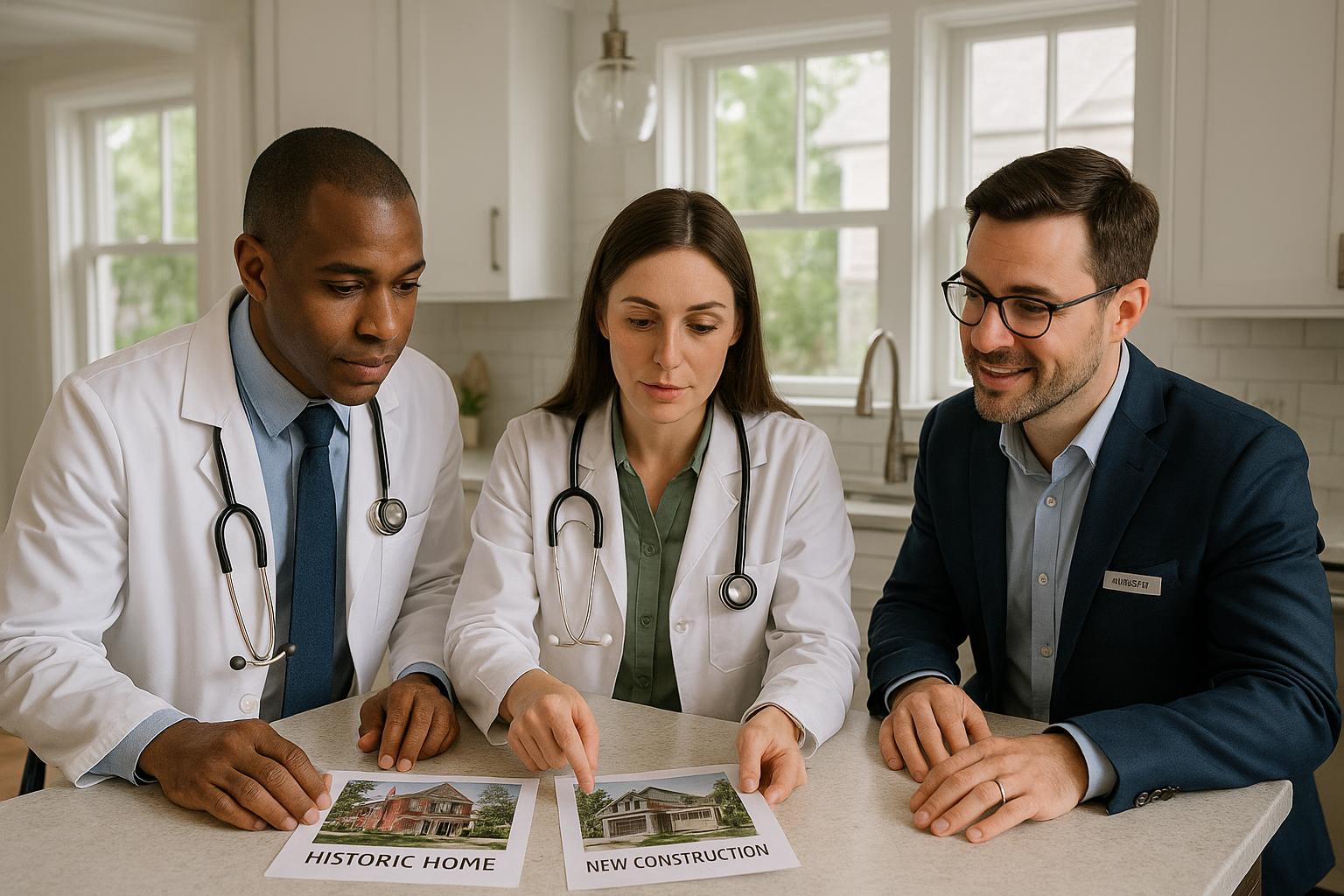
Physicians deciding between a historic home and new construction in East Grand Rapids often want clarity on which choice will truly fit their lifestyle, work schedule, and long-term plans. This decision isn’t just about architecture or aesthetics; it impacts your daily commute to Medical Mile, your ability to handle home maintenance, and how your home fits your career stage—whether you’re finishing training, moving up, or planning for family needs. Here’s how local medical professionals can weigh the real pros and cons based on real Grand Rapids scenarios.
Quick Answer
Physicians in East Grand Rapids should weigh maintenance needs, commute convenience, lifestyle preferences, and future resale when deciding between historic and new construction homes. Historic homes offer character and established neighborhoods, while new construction provides modern features and less immediate upkeep. Your work schedule, family needs, and willingness to handle updates are key factors in making the right choice.
1. Maintenance, Upkeep, and Time Commitment
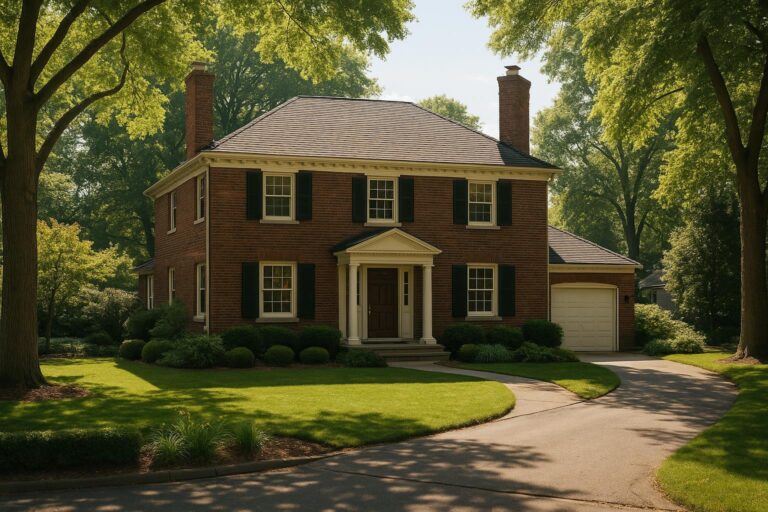
Historic homes in East Grand Rapids are known for their charm—think original hardwood floors, classic brick exteriors, and mature landscaping. However, owning a home built in the early-to-mid 1900s can mean more frequent repairs, ongoing maintenance, and the potential for larger projects like roof replacements or electrical updates. This is especially relevant for physicians with demanding schedules at Corewell Health or Trinity Health, where call shifts and long hours can leave little time for home projects.
New construction offers the opposite: up-to-date systems, warranties, and lower immediate maintenance. For busy physicians, this can mean fewer unexpected repairs and less time coordinating contractors. If you know your workweek will be packed with shifts or you’re new to Grand Rapids and still building your network, a newer home may offer peace of mind and free up your limited time for family or personal priorities.
2. Neighborhood Character, Schools, and Community Fit
Historic neighborhoods in East Grand Rapids offer walkable streets, mature trees, and close-knit communities. Many physicians appreciate the established feel and proximity to the high-performing East Grand Rapids Public Schools (East Grand Rapids Public Schools). You’ll also find yourself close to Gaslight Village, Reeds Lake, and quick access to downtown and Medical Mile. This can make daily commutes or quick trips between home and the hospital much easier, especially if your schedule is unpredictable.
New construction may be found in infill developments or newer subdivisions just outside the traditional East Grand Rapids core. These neighborhoods often offer more modern layouts, larger garages, and open-concept living—but may lack the same historic charm or walkability. Consider what matters most for your lifestyle: being in the heart of an established neighborhood or enjoying the convenience and efficiency of a newer home design.
3. Customization, Energy Efficiency, and Technology
If smart-home technology, energy efficiency, and modern layouts are priorities, new construction homes typically come out ahead. Physicians who want move-in-ready homes with high-speed wiring, efficient HVAC, and the latest appliances often find new builds offer better value and fewer surprises. This can be especially helpful if you’re moving to Grand Rapids from another city and want to settle in quickly with minimal projects.
Historic homes, while beautiful, may lack modern insulation, central air, or convenient layouts for today’s busy families. However, some buyers enjoy the process of making updates over time and value the architectural details that can’t be replicated in new construction. If you’re willing to invest in updates—and have the flexibility to manage projects between shifts—a historic home can be rewarding. For more about homebuying costs and what to expect, see the Consumer Financial Protection Bureau’s homebuying guide.
4. Resale Value and Decision-Making Rule of Thumb
One helpful rule of thumb for physicians is to think about your likely time horizon in the home. If you plan to stay in East Grand Rapids for at least 5–7 years, either option can make sense, provided you choose a home in good condition and a desirable location. Historic homes in central neighborhoods tend to hold their value well, especially those near Gaslight Village or Reeds Lake. However, unique layouts or homes needing major updates may have a smaller pool of buyers when it’s time to sell.
New construction homes appeal to buyers who want turnkey living and modern amenities, which can support resale to other busy professionals or families. If you anticipate moving again for a fellowship, attending contract, or another job, a newer home may be easier to sell quickly with less preparation. For a deeper dive into offer strategies and pricing, read How Do I Decide What to Offer on a Grand Rapids Home?.
Local Grand Rapids Physician Real Estate Insight
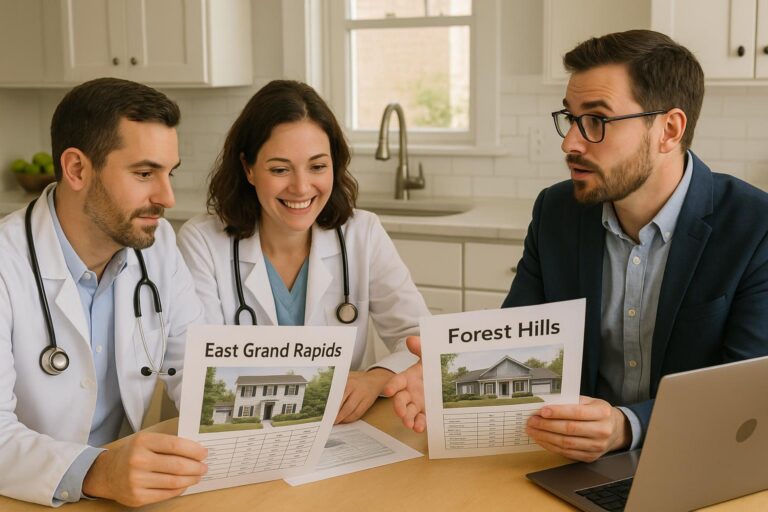
In practice, many physicians I’ve worked with compare East Grand Rapids with Forest Hills, Ada, and Cascade. Commute time to Medical Mile is often a top concern, especially for those with unpredictable call schedules or late-night shifts. Some buyers moving up from a downtown condo or a first home find that established East Grand Rapids neighborhoods offer a blend of walkability and community feel that’s hard to replicate in newer developments. Others prioritize having a move-in-ready home that won’t interfere with their already packed schedules.
Realistic Physician Buyer or Seller Scenario
Recently, a two-physician household relocating from out of state faced the historic vs. new construction decision in East Grand Rapids. With a $700,000–$800,000 budget and two young kids, they wanted walkability to schools and a manageable commute to Corewell Health and outpatient offices. After touring several historic homes with original features and some newer builds with modern layouts, they chose a well-maintained 1950s home in a walkable neighborhood. The decision came down to location and school access, plus their willingness to take on cosmetic updates gradually, rather than a full-scale renovation or new build.
Frequently Asked Questions About Physician Real Estate in Grand Rapids
- What are the biggest differences in maintenance costs between historic and new construction homes?
Historic homes may require more frequent repairs and updates, while new construction offers lower initial maintenance, often with warranties on major systems. - How does commute time to Medical Mile compare between different East Grand Rapids neighborhoods?
Most East Grand Rapids neighborhoods offer quick access to Medical Mile, but homes closer to Lake Drive or Wealthy Street can mean a faster, more predictable drive—especially helpful for call shifts. - Can physicians use physician loan programs for both historic and new construction homes?
Yes, physician loans can be used for either option, but eligibility, appraisal requirements, and closing timelines can vary by lender and property type.Financing note: Jason Pohlonski is not a lender. Physician loan programs, eligibility, interest rates, down payment options, loan limits, PMI requirements, and mortgage qualification standards vary by lender and borrower. Buyers should speak directly with a qualified mortgage professional before making financing decisions.
- Are historic homes harder to resell than new construction?
Not always—well-maintained historic homes in desirable neighborhoods often attract strong interest, but unique layouts or deferred maintenance can narrow your resale pool.
Related Physician Real Estate Resources
- Grand Rapids Physician Real Estate Help
- Buying After Residency: Moving From a Condo to Your First Physician Home in Grand Rapids
- How Do I Handle Buyer Requests After the Inspection on My Grand Rapids Home?
About the Author
Jason Pohlonski
is a Michigan licensed real estate salesperson with Keller Williams Grand Rapids East. He helps buyers and sellers throughout Grand Rapids, East Grand Rapids, Forest Hills, Ada, Byron Center, Jenison, Cascade, and surrounding West Michigan communities.
Jason began his real estate career in Chicago in 2004, later expanding his experience in Ann Arbor from 2014 to 2019, and has been serving clients in the Grand Rapids area since 2019.
With over 20 years of combined real estate experience across multiple markets, Jason focuses on helping clients make clear real estate decisions involving pricing, offer terms, inspections, appraisals, relocation timing, and buy-sell planning.
Jason has worked with physician and medical professional buyers in different stages of the process, including relocation buyers, residents and fellows staying in Grand Rapids after training, move-up buyers purchasing after a new attending role, and clients selling a condo or first home before buying the next property.
Industry Recognition
Jason is recognized by platforms and industry organizations including Zillow, Grand Rapids Magazine Real Estate All-Stars, and Real Producers for his work serving West Michigan buyers and sellers.
Jason also supports One More Moment, a nonprofit that grants wishes to late-stage cancer patients, by donating $100 for every successful closing.
Professional Disclosure
Jason Pohlonski
Michigan Licensed Real Estate Salesperson
License Verification: Verify Michigan License #6501386166
Brokerage: Keller Williams Grand Rapids East
Brokerage Office: 630 Kenmoor Ave SE, Suite 101, Grand Rapids, MI 49546
📱 Call or text: 616-916-9770
📅 Schedule consultation:
https://calendly.com/pohlonskirealestate/30min
📧 Email: jpohlonski@kw.com
This article reflects real client experiences and market conditions in Grand Rapids and surrounding communities at the time of publication. Real estate outcomes can vary depending on market conditions, property characteristics, buyer demand, financing terms, inspection results, appraisal results, and lender requirements.
This article is for general informational purposes only and is not mortgage, legal, tax, or financial advice. Jason Pohlonski is not a lender. Physician loan programs, eligibility, interest rates, down payment options, loan limits, PMI requirements, and mortgage qualification standards vary by lender and borrower. Buyers should speak directly with a qualified mortgage professional before making financing decisions.