Should I Worry About Old Electrical Systems in Grand Rapids?
Old electrical systems are a common feature in many Grand Rapids homes, especially those built before the 1970s. If you’re buying in this market, it’s natural to wonder if an outdated electrical setup should worry you—or if it’s just another item on the inspection list. The truth is, old wiring can affect safety, insurance, and your offer strategy, but it doesn’t always mean you should walk away.
Quick Answer
Yes, you should pay close attention to old electrical systems when buying a home in Grand Rapids—especially if the home is pre-1970s or hasn’t been updated. Outdated wiring like knob-and-tube or ungrounded outlets can impact safety, insurance eligibility, and even your financing options.
However, many buyers in Grand Rapids successfully purchase homes with older electrical systems by planning for updates or negotiating repairs. If you’re dealing with this situation, I’m happy to walk through it with you.
1. Safety and Insurance: What’s Really at Stake?
Old electrical systems aren’t just about flickering lights—they can pose real safety risks, including increased fire hazards. Common issues in Grand Rapids homes include knob-and-tube wiring, fuse boxes instead of breakers, and ungrounded two-prong outlets. Insurers may refuse coverage or require upgrades before issuing a policy, especially for homes with certain types of wiring. The National Fire Protection Association and Consumer Product Safety Commission both highlight the importance of modern electrical safety standards.
Jason’s take: I’ve seen buyers get great homes at a fair price after addressing old wiring concerns up front. The key is knowing what’s in the walls before you make an offer, so you’re not surprised later.
2. Inspection Strategy: How to Spot Issues Early
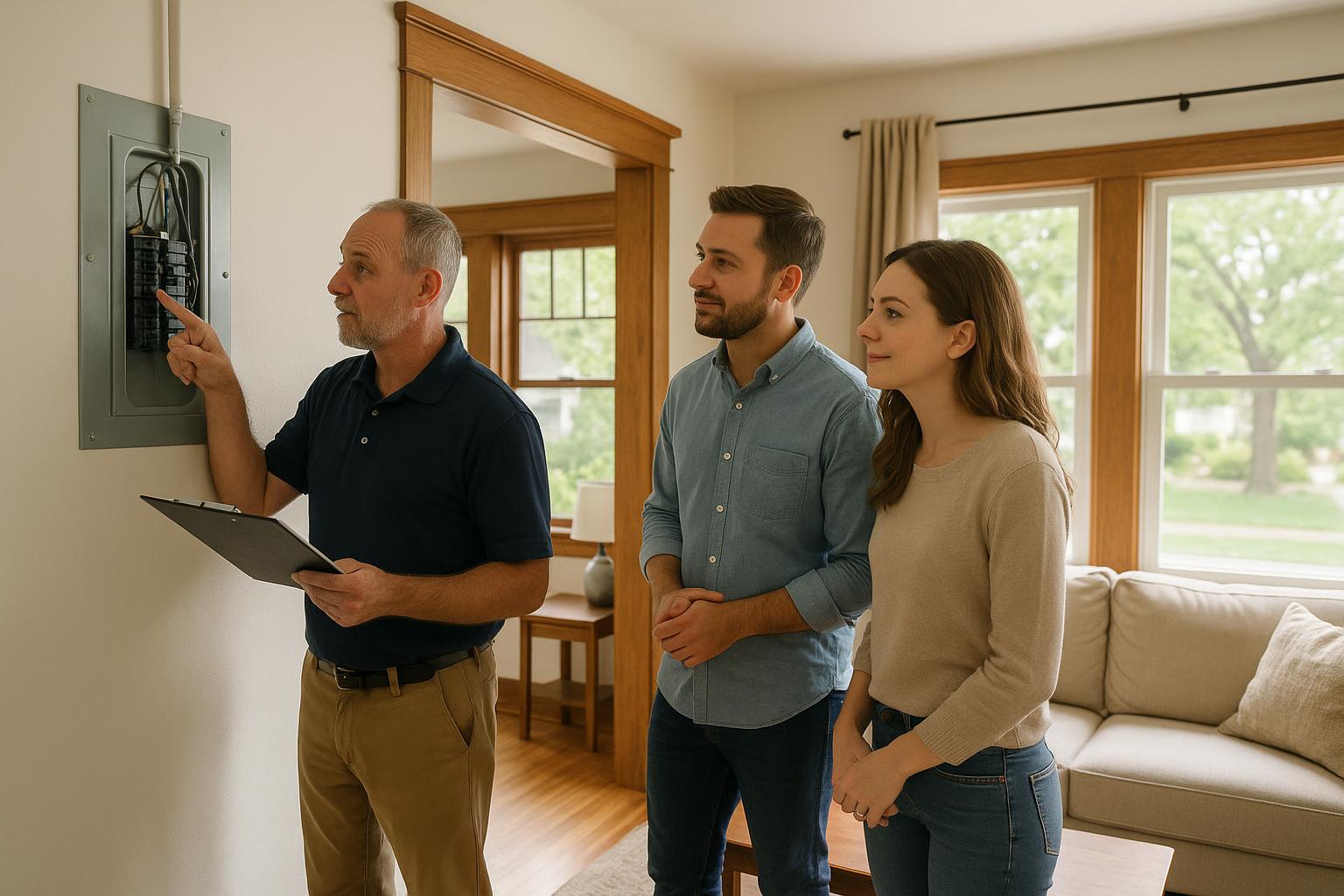
Most Grand Rapids buyers rely on a licensed home inspector to flag electrical red flags. Inspectors will check for outdated panels, visible knob-and-tube, overfused circuits, and proper grounding. If the inspection finds issues, you can ask for repairs, a price reduction, or walk away if the risk feels too high. In competitive situations, some buyers pre-book an electrician for a second opinion right after the general inspection.
Jason’s take: If you’re eyeing a 1940s or 1950s home in Heritage Hill, Eastown, or Alger Heights, assume the electrical system may need an upgrade. Plan your offer and timeline with that in mind.
3. Financing and Insurance: Will the Lender Approve?
Lenders and insurers both have a say in whether you can close on a home with old electrical systems. Some loan programs, including FHA and VA, may require electrical updates before closing. Certain insurance carriers will not insure homes with knob-and-tube or aluminum wiring, while others might charge a higher premium or require documentation from a licensed electrician. You’ll want to get insurance quotes early in your due diligence period to avoid last-minute surprises.
Rule of thumb: If the home has fuses, visible old wiring, or no grounded outlets, expect to negotiate or budget for electrical work. Always check with your lender and insurer during inspection contingency, not after it expires.
4. Offer Strategy: Should You Walk, Negotiate, or Accept?
In Grand Rapids, buyers handle old electrical systems in three main ways: negotiate repairs or credits, accept the home as-is and plan for updates, or walk away if the risk or cost is too high. The approach depends on the price range, competition, and your comfort with future projects. In hot neighborhoods and lower price points, buyers are more likely to accept minor electrical updates, but major safety risks (like active knob-and-tube) are still a sticking point even in multiple-offer scenarios.
Jason’s take: My advice is to use the inspection period as leverage. If the seller won’t budge on repairs or price and the electrical concerns are serious, don’t be afraid to move on—there’s always another opportunity in Grand Rapids.
Real Buyer Case Study
Last year, I worked with first-time buyers looking in the $250K–$300K range in the Eastown neighborhood. The home they loved had a mix of updated wiring and some original knob-and-tube in the attic. During inspection, the electrician estimated $4,000–$6,000 for a full update. We negotiated a $5,000 seller credit at closing, which helped cover most of the upgrade. The buyers got affordable insurance, and the home appraised with no issues. The process took some extra coordination, but they ended up with a safer, move-in-ready home without overpaying.
Grand Rapids Buyer Market Insight
In Grand Rapids, many older homes in popular neighborhoods like Heritage Hill, Eastown, and Alger Heights attract strong interest despite their age. When multiple offers are on the table, buyers sometimes waive minor repairs but rarely ignore serious electrical safety concerns. Homes with updated panels and wiring get more attention and higher offers. If you’re shopping in the under-$350K range, be ready to act fast, but don’t skip your electrical due diligence—it’s still a dealbreaker for many buyers and lenders.
Frequently Asked Questions About Buying in Grand Rapids
Can I get a mortgage on a home with old electrical wiring?
Often yes, but lenders may require repairs or upgrades for certain types of wiring, especially with FHA or VA loans. Always check with your lender early.
Will my insurance cost more if the home has old wiring?
It can. Some insurers charge higher premiums or refuse coverage for homes with knob-and-tube or aluminum wiring. Get insurance quotes before waiving contingencies.
Should I expect sellers to fix electrical issues in Grand Rapids?
Sellers sometimes offer credits or repairs for major electrical problems, but in a competitive market, they may sell as-is. Negotiation depends on demand and price point.
How much does it cost to update an old electrical system?
Costs vary by home size and extent of the update, but in Grand Rapids, a full rewire might run $4,000–$10,000 or more. Always get a licensed electrician’s estimate before closing.
Related Grand Rapids Buyer Resources
- What Should I Know About Seller Disclosure Requirements?
- How Do I Handle Appraisal Gap Coverage in Grand Rapids?
- Should You Keep Your Grand Rapids Home as a Rental After Relocating?
About the Author
Jason Pohlonski
is a Michigan licensed real estate salesperson with Keller Williams Grand Rapids East. He helps buyers and sellers throughout Grand Rapids, East Grand Rapids, Forest Hills, Ada, Byron Center, Jenison, Cascade, and surrounding West Michigan communities.
Jason began his real estate career in Chicago in 2004, later expanding his experience in Ann Arbor from 2014 to 2019, and has been serving clients in the Grand Rapids area since 2019.
With over 20 years of combined real estate experience across multiple markets, Jason focuses on helping clients make clear real estate decisions involving pricing, offer terms, inspections, appraisals, relocation timing, and buy-sell planning.
Industry Recognition
Jason is recognized by platforms and industry organizations including Zillow, Grand Rapids Magazine Real Estate All-Stars, and Real Producers for his work serving West Michigan buyers and sellers.
Jason also supports One More Moment, a nonprofit that grants wishes to late-stage cancer patients, by donating $100 for every successful closing.
Professional Disclosure
Jason Pohlonski
Michigan Licensed Real Estate Salesperson
License Verification: Verify Michigan License #6501386166
Brokerage: Keller Williams Grand Rapids East
Brokerage Office: 1555 Arboretum Dr. SE, Grand Rapids, MI 49546
📱 Call or text: 616-916-9770
📅 Schedule consultation:
https://calendly.com/pohlonskirealestate/30min
📧 Email: jpohlonski@kw.com
This article reflects real client experiences and market conditions in Grand Rapids and surrounding communities at the time of publication. Real estate outcomes can vary depending on market conditions, property characteristics, buyer demand, financing terms, inspection results, appraisal results, and lender requirements.
This article is for general informational purposes only and is not legal, tax, financial, insurance, engineering, inspection, or floodplain determination advice. Buyers and sellers should consult qualified professionals before making decisions involving financing, insurance, inspections, taxes, legal issues, or property risk.