How Should I Handle an Appraisal Gap When Selling My East Grand Rapids Home?
If you’re selling your home in East Grand Rapids and the buyer’s appraisal comes in lower than the agreed sale price, you might be wondering what your options are and what this means for your sale. An appraisal gap can create tough decisions, so it’s important to understand what happens next and how to approach the situation.
Quick Answer
If a buyer’s appraisal is lower than your sale price, it creates an “appraisal gap.” This gap can affect whether the sale moves forward as planned, since most lenders won’t approve a mortgage for more than the appraised value.
You and the buyer have several options: renegotiate the sale price, the buyer can bring extra funds, or either party can walk away depending on the contract. If you’re dealing with this situation, I’m happy to walk through it with you.
What Is an Appraisal Gap and Why Does It Matter?
An appraisal gap happens when a buyer’s lender-ordered appraisal comes in below the price you and the buyer agreed to in the purchase contract. The appraisal is meant to estimate the home’s fair market value based on recent sales and property condition. Lenders base the maximum loan amount on this appraised value, not the sale price.
For example, if you accepted an offer above your list price and the appraisal comes in lower, the lender will only lend up to the appraised value. This means the buyer would need to cover the difference out of pocket, or you would need to adjust the sale terms. That’s why appraisal gaps can create issues, especially if neither side is prepared to make up the difference.
Your Main Options When an Appraisal Gap Happens
When you get the news that the appraisal is low, you and the buyer generally have a few primary paths forward. Here are the main options sellers consider:
- Renegotiate the Sale Price: You can agree to lower the price to match the appraised value, if you’re comfortable with that change.
- Buyer Pays the Difference: The buyer may have the ability and willingness to bring extra cash to closing to cover the gap between the appraised value and the contract price.
- Split the Difference: Sometimes, you and the buyer can agree to meet in the middle, adjusting the price partway and having the buyer bring some additional funds.
- Terminate the Contract: Depending on the contract terms and contingencies, either party might have the right to walk away if the appraisal is low.
Each option has pros and cons, and the right path depends on your goals, the buyer’s situation, and the details in your contract.
Have a Question About Selling Your East Grand Rapids Home?
If you’re facing an appraisal gap or want to know what to expect during the selling process, let’s talk through your questions.
If you want to talk through your property or selling plans, you can schedule a seller consultation or call or text 616-916-9770.
Checklist: What to Review If the Appraisal Comes in Low
It’s easy to feel frustrated or caught off guard by an appraisal gap. Before making a decision, it helps to take a step back and review a few key points:
- Review the Appraisal Report: Look for errors, missed features, or missing recent comparable sales that could impact the value. In some cases, you can request a reconsideration from the lender, but this is not always successful.
- Check the Purchase Agreement: Does the contract include an appraisal contingency? What options and deadlines are spelled out?
- Discuss with the Buyer’s Agent: Ask if the buyer has the ability and willingness to bring extra funds or if they want to renegotiate.
- Understand Your Bottom Line: Know what net proceeds you need from the sale to meet your goals.
- Get Advice if Needed: If you have questions about legal rights or contract terms, consider consulting a qualified real estate attorney.
This checklist can help you make an informed decision and avoid rushing into an agreement that doesn’t fit your needs.
How Appraisal Gaps Can Affect Your Closing
An appraisal gap can delay your closing or put the entire transaction at risk if you and the buyer can’t agree on how to handle it. If the buyer can’t or won’t bring extra funds, and you’re not willing to reduce the price, the deal may fall through depending on your contract language.
In some situations, buyers and sellers successfully renegotiate, but it’s important to know that the lender’s requirements will control how much financing the buyer can obtain. If you have a backup offer or are confident in the property’s market value, you may have more flexibility to hold firm on your price. On the other hand, if you’re motivated to close, you might consider sharing or absorbing part of the gap. Every situation is different.
Jason’s Take
When an appraisal gap happens, I recommend taking a close look at the appraisal report and your priorities before making a quick decision. Sometimes there’s room to request a reconsideration or clarify property features with the appraiser, but that process isn’t guaranteed to change the outcome. It’s important to stay realistic about what you can control, communicate clearly with the buyer’s agent, and decide what you’re comfortable with based on your goals for the sale. If you have questions about the contract or your rights, getting professional advice can help you feel more confident moving forward.
An East Grand Rapids Seller Example
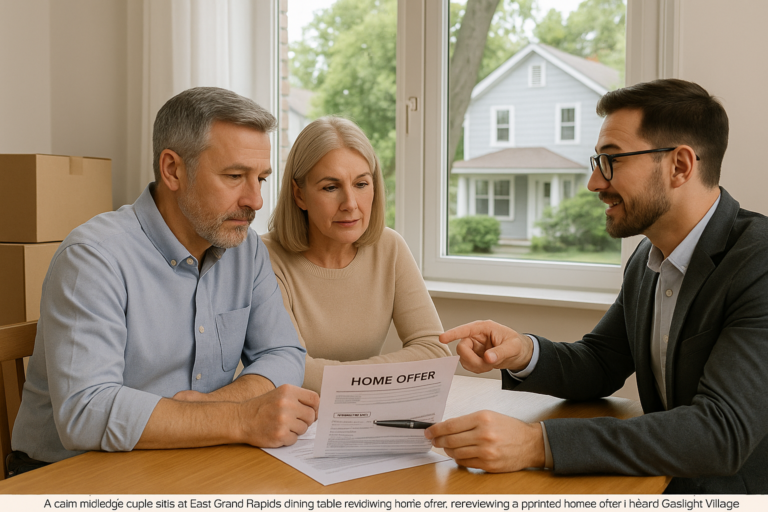
For example, imagine an East Grand Rapids homeowner who accepts an offer above their asking price. After the appraisal, they learn the value came in lower than the contract price. The homeowner reviews the appraisal report for possible errors and checks the purchase agreement to see if an appraisal contingency is included. They talk with their agent about the buyer’s ability to bring extra funds and consider whether lowering the price still meets their financial needs. With all the facts in hand, they’re better prepared to decide whether to renegotiate, hold firm, or walk away, depending on what matters most to them.
What This Means in East Grand Rapids
Appraisal gaps can happen with homes of all styles and ages, including those found throughout East Grand Rapids. Some properties—like renovated older homes or those with unique features—may have fewer direct comparable sales, which can make appraisals less straightforward. If these features apply to the specific property, reviewing the appraisal report for overlooked improvements or characteristics can be especially important. Depending on your home’s location and recent sales in your area, the impact of an appraisal gap can vary. Taking the time to review your options and consult with your real estate agent can help you move forward in a way that fits your goals as a seller.
Frequently Asked Questions About Selling in East Grand Rapids
What is an appraisal gap?
An appraisal gap happens when a home’s appraised value is lower than the sale price agreed to by the buyer and seller.
Do I have to lower my price if the appraisal is low?
No, but you may need to renegotiate or risk losing the sale, depending on your contract and the buyer’s ability to pay the difference.
Can I challenge a low appraisal?
You can request a reconsideration with supporting information, but there’s no guarantee the appraised value will change.
Does an appraisal gap mean my home isn’t worth the sale price?
An appraisal is one opinion of value based on recent sales and lender guidelines; the contract price reflects what a buyer is willing to pay.
Related East Grand Rapids Seller Resources
- East Grand Rapids Weekly Market Report — October 18, 2026
- What Should Grand Rapids Buyers Know About Foundation Issues?

Industry Recognition
Jason is recognized by platforms and industry organizations including Zillow, Grand Rapids Magazine Real Estate All-Stars, and Real Producers for his work serving West Michigan buyers and sellers.
Jason also supports One More Moment, a nonprofit that grants wishes to adults with cancer, by donating $100 from every successful closing.
Professional Disclosure
Jason Pohlonski
Michigan Licensed Real Estate Salesperson
Verify Michigan License #6501386166
Brokerage: Keller Williams Grand Rapids East
Brokerage Office: 1555 Arboretum Dr. SE, Grand Rapids, MI 49546
Call or text: 616-916-9770
Schedule a 30-minute consultation
Email: jpohlonski@kw.com
This article reflects Jason’s experience working with homeowners, buyers, and sellers in East Grand Rapids and surrounding communities at the time of publication. Real estate outcomes can vary depending on market conditions, property characteristics, pricing, buyer demand, financing terms, inspection results, appraisal results, and contract terms.
This article is for general informational purposes only and is not legal, tax, financial, insurance, engineering, inspection, appraisal, or property-condition advice. Buyers and sellers should confirm legal, tax, financing, inspection, appraisal, title, disclosure, and property-specific questions with the appropriate qualified professionals.