How Important Is Furnace Age When Buying a Grand Rapids Home?
If you’re shopping for a home in Grand Rapids, you might notice furnace age listed in the property details or hear it come up during a showing. Buyers often wonder whether an older furnace should affect their decision or offer. Here’s what to consider, how to check a furnace’s age, and what to do if you’re interested in a home with an aging heating system.
Quick Answer
Furnace age can matter in Grand Rapids, especially with our cold winters. An older furnace isn’t automatically a dealbreaker, but it’s smart to factor in its condition, maintenance history, and potential replacement cost when making an offer.
If the furnace is near or past its expected lifespan, have it inspected and ask for service records. This helps you budget for future updates and decide if you want to negotiate repairs or credits. If you’re dealing with this situation, I’m happy to walk through it with you.
Why Furnace Age Matters in Grand Rapids
Grand Rapids winters can be long and cold, so a reliable furnace is important for comfort and safety. The age of a furnace gives you a starting point, but it’s not the whole story. Furnaces don’t just stop working when they hit a certain age—they wear down over time, and their remaining life depends on maintenance, usage, and installation quality.
Older furnaces may be less efficient, which can mean higher utility bills. They might also be at greater risk for unexpected repairs. That said, a well-maintained older furnace can keep running, while a neglected newer one might not last as long. It’s about more than just the number on the serial plate.
How to Find Out a Furnace’s Age and Condition
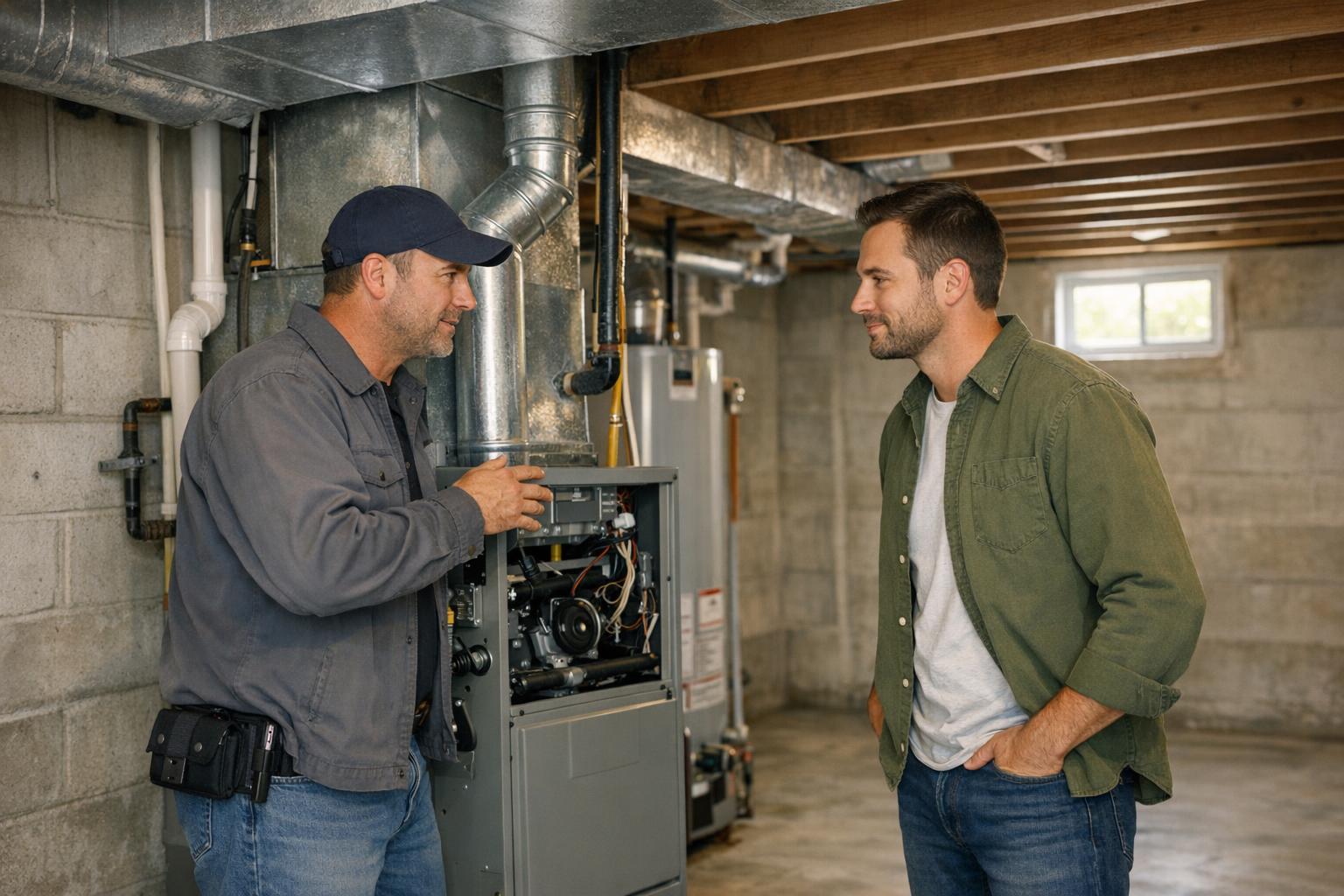
The easiest way to check a furnace’s age is to look at the manufacturer’s label—usually found on the inside of the cabinet cover. This label includes a serial number, and you can often look up the manufacture date online. If you’re unsure, your home inspector or an HVAC technician can help you decode it.
During a home inspection, the inspector will check the furnace’s basic operation, visible condition, and sometimes note its age. Ask for any available service records from the seller. These records can show whether the system has been regularly maintained, which matters as much as age alone.
Jason’s take: In my experience, a furnace’s maintenance history is just as important as its age. I’ve seen older systems that still run strong because they’ve been cared for, and newer ones with problems from neglect.
What to Do if the Furnace Is Older
If you discover the furnace is near or beyond what’s considered its expected lifespan, don’t panic. First, review the inspection report. If the system is working, you have a few options. You can ask the seller for a home warranty, request a credit or repair (if allowed by the contract and the seller agrees), or simply plan and budget for a future replacement. If there are safety concerns, those should always be addressed before closing.
Ask your inspector about any visible issues and whether a specialized HVAC inspection is recommended. If you want a deeper assessment, you can bring in an HVAC contractor for a more detailed look. This extra step can help you make an informed decision, especially if you’re concerned about immediate replacement needs. For more on how inspections work, check out the Consumer Financial Protection Bureau’s guide to home inspections.
Want to Talk Through Your Situation?
If you’re unsure about an older furnace or how it might affect your Grand Rapids home purchase, I’m happy to help you weigh your options. Let’s go over your concerns and make sure you feel confident about your next steps.
Schedule a Buyer Consultation or call/text 616-916-9770.
Rule of Thumb: When Should a Furnace Be Replaced?
Most furnaces are designed to last around 15–20 years, but there’s no magic number. If you’re looking at a home with a furnace in that age range, it’s smart to plan for eventual replacement—even if it’s still working. A good rule of thumb: If a furnace is 15 years old or more, consider budgeting for a new one in the next few years.
Pay attention to any warning signs during the inspection, such as unusual noises, short cycling, or visible rust. If you’re planning to offer on a house with an older furnace, factor that into your budget and your negotiations. Depending on the property, the seller, and your contract, you might discuss repair credits, a home warranty, or simply accept the risk as part of your offer strategy.
Should Furnace Age Affect Your Offer?
Whether or not to ask for a repair, credit, or price reduction depends on several things: the furnace’s current condition, your comfort with potential future costs, what your inspector finds, and how much demand there is for the home. Sometimes buyers choose to absorb the risk and budget for replacement down the road; other times, it makes sense to bring it up during negotiations.
If you’re financing your purchase, keep in mind that lenders want to see a safe, functional heating system. If the furnace is working and there are no safety issues, it’s usually not a barrier to closing. However, if the inspector finds a major problem, your lender may require repairs before approving the loan. For more info, see the Consumer Financial Protection Bureau’s homebuying resources.
Grand Rapids Buyer Example
For example, imagine a Grand Rapids buyer who finds a house they love, but the furnace is about 18 years old. The system still works, and the seller provides maintenance records showing annual service. After the inspection, the buyer decides to move forward, but they budget for a possible replacement in the next few years and discuss a home warranty with their agent. This way, they’re prepared for future costs without letting furnace age stop the purchase.
Grand Rapids Buyer Market Insight
In Grand Rapids, buyers see a wide range of home ages and heating systems. Some neighborhoods have older homes with original or upgraded furnaces, while others feature newer builds. Winter weather can make furnace performance a higher priority here than in milder climates. During the heating season, it’s easier to test the system, but in warmer months, ask your inspector how they evaluate the furnace if it’s not running.
Buyers may want to consider how furnace age fits into their overall home maintenance budget. If other big-ticket systems—like the roof or water heater—are also nearing the end of their lifespan, it might make sense to factor all of them into your long-term planning. Discuss with your agent how these items could influence your offer, especially if you’re looking at homes that have been on the market longer or need updates.
Frequently Asked Questions About Buying in Grand Rapids
Can I require the seller to replace an old furnace before closing?
It depends on your purchase agreement, inspection contingency, and the seller’s willingness. Some sellers may agree to repairs or credits, but it’s not guaranteed. Review your contract and discuss options with your agent.
Is a home warranty a good idea if the furnace is old?
A home warranty can offer peace of mind for the first year, covering certain repairs if the furnace fails. Check the warranty’s terms and limits, and ask your agent about the pros and cons.
Will an older furnace affect my ability to get a mortgage?
As long as the furnace is working safely, lenders usually don’t require replacement. If the inspector finds a safety issue, your lender may require repairs before closing.
Should I bring in an HVAC contractor for a second opinion?
If the inspection raises concerns or you want a more detailed assessment, hiring an HVAC contractor can provide additional peace of mind. Ask about any fees for this service before scheduling.
Related Grand Rapids Buyer Resources
- What Should Grand Rapids Buyers Know About Property Taxes?
- How Can Home Watch Services Help Me Coordinate Repairs at My West Michigan Home While I’m Traveling?
- What to Know About Buyer Possession Requests When Selling Your Grand Rapids Home

Industry Recognition
Jason is recognized by platforms and industry organizations including Zillow, Grand Rapids Magazine Real Estate All-Stars, and Real Producers for his work serving West Michigan buyers and sellers.
Jason also supports One More Moment, a nonprofit that grants wishes to adults with cancer, by donating $100 from every successful closing.
Professional Disclosure
Jason Pohlonski
Michigan Licensed Real Estate Salesperson
Verify Michigan License #6501386166
Brokerage: Keller Williams Grand Rapids East
Brokerage Office: 1555 Arboretum Dr. SE, Grand Rapids, MI 49546
Call or text: 616-916-9770
Schedule a 30-minute consultation
Email: jpohlonski@kw.com
This article reflects Jason’s experience working with buyers and sellers and market conditions in Grand Rapids and surrounding communities at the time of publication. Real estate outcomes can vary depending on market conditions, property characteristics, buyer demand, financing terms, inspection results, appraisal results, and lender requirements.
This article is for general informational purposes only and is not legal, tax, financial, insurance, engineering, inspection, or floodplain determination advice. Buyers and sellers should consult qualified professionals before making decisions involving financing, insurance, inspections, taxes, legal issues, or property risk.