How Grand Rapids Physicians Can Assess Historic Homes Needing Renovation
Introduction
If you’re an attending physician in Grand Rapids considering the purchase of a historic home that needs renovation, it’s essential to approach the process with a clear understanding of what makes these properties unique. Historic homes often offer distinctive architecture, character, and prime locations near Medical Mile or the heart of Grand Rapids, but they can also bring unexpected costs, longer timelines, and inspection challenges. Knowing what to look for—and what to avoid—can help you make an informed decision that fits your professional schedule, financial goals, and lifestyle.
Quick Answer
Physicians evaluating historic homes in Grand Rapids should prioritize a thorough inspection, realistic renovation budgeting, and a clear understanding of local resale factors. Balance your available time, financial resources, and professional commitments before moving forward with an offer on a home that needs significant updates.
1. Prioritize a Detailed Home Inspection and Historic Assessment
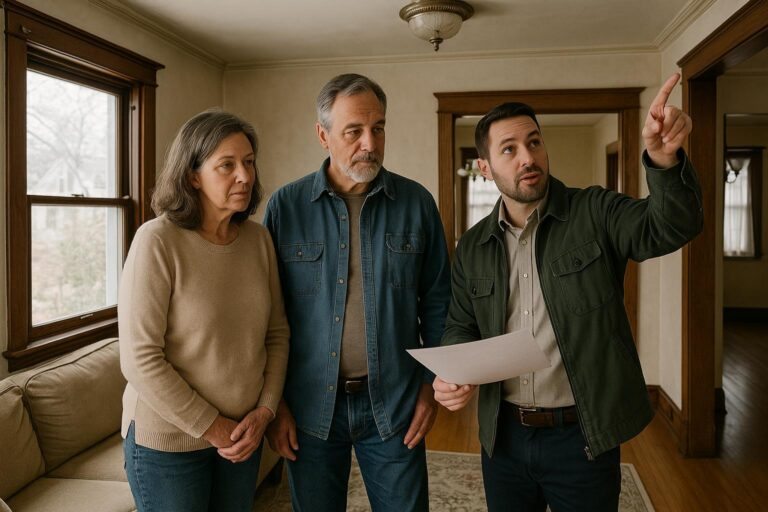
The first step when considering a historic Grand Rapids home is to order a comprehensive home inspection—ideally with an inspector who specializes in older properties. These homes often have unique systems (such as knob-and-tube wiring, fieldstone foundations, or original windows) that require extra attention. Many buyers are surprised to discover issues not found in newer construction, from outdated electrical and plumbing to hidden water damage or inadequate insulation.
In addition to the standard home inspection, consider a separate assessment for potential lead paint, asbestos, or foundation concerns. Some historic districts may also require you to follow certain renovation guidelines, so check with the Grand Rapids Historic Preservation Commission before planning any major updates. Document all findings and use them to estimate the true scope and cost of renovation before making an offer.
2. Understand Renovation Costs, Timelines, and Financing Options
Renovating a historic home is rarely as simple—or as quick—as updating a newer property. Physicians with demanding call schedules or clinic hours at Corewell Health, Trinity Health, or University of Michigan Health-West must factor in both the time and disruption a renovation can bring. Labor and material costs for historic homes can be higher, especially if custom work or period-appropriate materials are required. Unexpected discoveries behind walls or under floors can add to your budget and timeline.
When evaluating your options, request estimates from contractors experienced in historic properties and add a contingency (often 10–20%) for unforeseen issues. If you’re considering financing the renovation, ask your mortgage lender about options such as renovation loans or physician loan programs that may apply. For more on loan options, see the Consumer Financial Protection Bureau’s renovation loan guide. Financing note: Jason Pohlonski is not a lender. Physician loan programs, eligibility, interest rates, down payment options, loan limits, PMI requirements, and mortgage qualification standards vary by lender and borrower. Buyers should speak directly with a qualified mortgage professional before making financing decisions.
3. Use a “Three-Filter” Decision Framework: Time, Budget, and Resale
Physicians should apply a practical “three-filter” framework when deciding whether to buy a historic home needing renovation:
- Time: Do you have the flexibility to manage a renovation project alongside your work, call schedule, and family commitments? If your attending contract starts soon, can you wait for the work to finish, or do you need move-in ready housing?
- Budget: Can you comfortably afford both the purchase price and the renovation costs (including contingencies), without overextending your finances or delaying other goals?
- Resale: Will the home’s location, design, and updates appeal to future buyers in Grand Rapids? Consider how renovated historic homes have performed in comparable neighborhoods like East Grand Rapids, Heritage Hill, or Ottawa Hills.
If the answer to any filter is “no,” it’s often better to keep looking or adjust your expectations. This approach has helped many local physicians avoid costly mistakes and focus on properties that fit their actual needs.
4. Consider Neighborhood Factors and Future Value
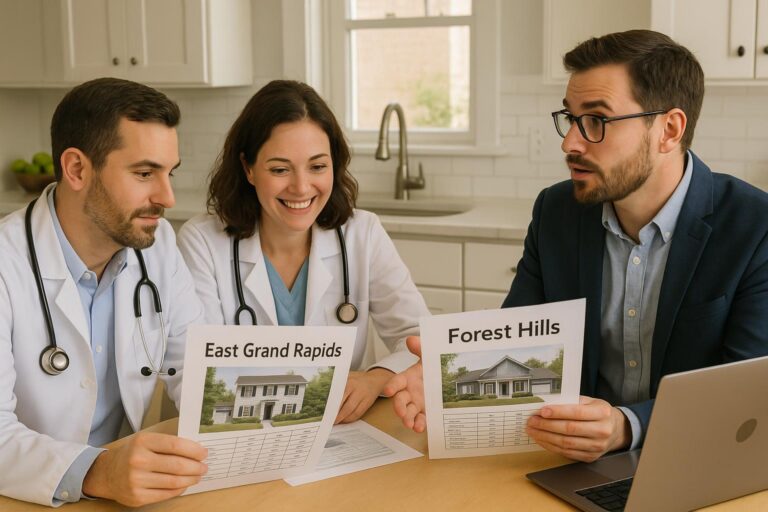
Historic homes in Grand Rapids are often located in sought-after neighborhoods with proximity to the Medical Mile, downtown hospitals, or walkable amenities. Evaluate the neighborhood’s long-term appeal and how it aligns with your commute, lifestyle, and resale plans. For example, some physicians choose Heritage Hill for its character and close commute, while others prefer Forest Hills or East Grand Rapids for schools and larger lots.
Be aware that renovation costs don’t always translate dollar-for-dollar into increased home value. Review recent sales of renovated historic homes in your target neighborhood, and consult with a local agent who understands physician-specific needs. For physicians considering a move after training or before a relocation, understanding resale value and demand is key. For more context, see how long it usually takes to sell a home in Forest Hills or explore Grand Rapids Physician Real Estate Help for guidance.
Local Grand Rapids Physician Real Estate Insight
Many physicians I’ve assisted in Grand Rapids have weighed the charm of historic homes in Heritage Hill against the practicality of newer options in Forest Hills or Cascade. One common challenge is fitting renovation timelines around attending contracts or tight call schedules at Medical Mile hospitals. I’ve seen physicians who planned to renovate before moving in, only to face unexpected delays and the need for temporary housing. Early and thorough evaluation—plus clear communication with your contractor and real estate agent—makes a major difference in avoiding stress or costly surprises.
Realistic Physician Buyer or Seller Scenario
Recently, a Grand Rapids attending physician and spouse considered purchasing a $450,000 historic home near downtown. The inspection revealed original windows needing restoration, outdated wiring, and a partially finished basement with moisture concerns. Their timeline was tight, with an attending contract starting at Corewell Health in six weeks. After collecting detailed contractor bids and factoring in the need for temporary housing, they chose to wait for a move-in ready home, ultimately buying in Forest Hills. The key lesson: a realistic look at renovation timing and cost can save time, money, and stress.
Frequently Asked Questions About Physician Real Estate in Grand Rapids
- What are the most common issues found in historic Grand Rapids homes?
Outdated electrical systems, older plumbing, lead paint, and foundation or moisture problems are common. A specialized inspection is highly recommended. - Can I use a physician loan to buy a historic home needing renovation?
Some physician loan programs allow for minor repairs, but major renovations may require a separate renovation loan. Always confirm details with your lender. - How long does it typically take to renovate a historic home?
Timelines vary, but even moderate renovations can take several months. Build in extra time for permitting, historic district approvals, and unexpected discoveries. - Will renovating a historic home improve its resale value?
Well-planned renovations in desirable neighborhoods can add value, but not always equal to the total investment. Focus on updates that appeal to future buyers in your area.
Related Physician Real Estate Resources
- Grand Rapids Physician Real Estate Help
- Buying After Residency: Moving From a Condo to Your First Physician Home in Grand Rapids
- Can Doctors Buy a Home in Grand Rapids With a Physician Loan?
About the Author
Jason Pohlonski
is a Michigan licensed real estate salesperson with Keller Williams Grand Rapids East. He helps buyers and sellers throughout Grand Rapids, East Grand Rapids, Forest Hills, Ada, Byron Center, Jenison, Cascade, and surrounding West Michigan communities.
Jason began his real estate career in Chicago in 2004, later expanding his experience in Ann Arbor from 2014 to 2019, and has been serving clients in the Grand Rapids area since 2019.
With over 20 years of combined real estate experience across multiple markets, Jason focuses on helping clients make clear real estate decisions involving pricing, offer terms, inspections, appraisals, relocation timing, and buy-sell planning.
Jason has worked with physician and medical professional buyers in different stages of the process, including relocation buyers, residents and fellows staying in Grand Rapids after training, move-up buyers purchasing after a new attending role, and clients selling a condo or first home before buying the next property.
Industry Recognition
Jason is recognized by platforms and industry organizations including Zillow, Grand Rapids Magazine Real Estate All-Stars, and Real Producers for his work serving West Michigan buyers and sellers.
Jason also supports One More Moment, a nonprofit that grants wishes to late-stage cancer patients, by donating $100 for every successful closing.
Professional Disclosure
Jason Pohlonski
Michigan Licensed Real Estate Salesperson
License Verification: Verify Michigan License #6501386166
Brokerage: Keller Williams Grand Rapids East
Brokerage Office: 630 Kenmoor Ave SE, Suite 101, Grand Rapids, MI 49546
📱 Call or text: 616-916-9770
📅 Schedule consultation:
https://calendly.com/pohlonskirealestate/30min
📧 Email: jpohlonski@kw.com
This article reflects real client experiences and market conditions in Grand Rapids and surrounding communities at the time of publication. Real estate outcomes can vary depending on market conditions, property characteristics, buyer demand, financing terms, inspection results, appraisal results, and lender requirements.
This article is for general informational purposes only and is not mortgage, legal, tax, or financial advice. Jason Pohlonski is not a lender. Physician loan programs, eligibility, interest rates, down payment options, loan limits, PMI requirements, and mortgage qualification standards vary by lender and borrower. Buyers should speak directly with a qualified mortgage professional before making financing decisions.