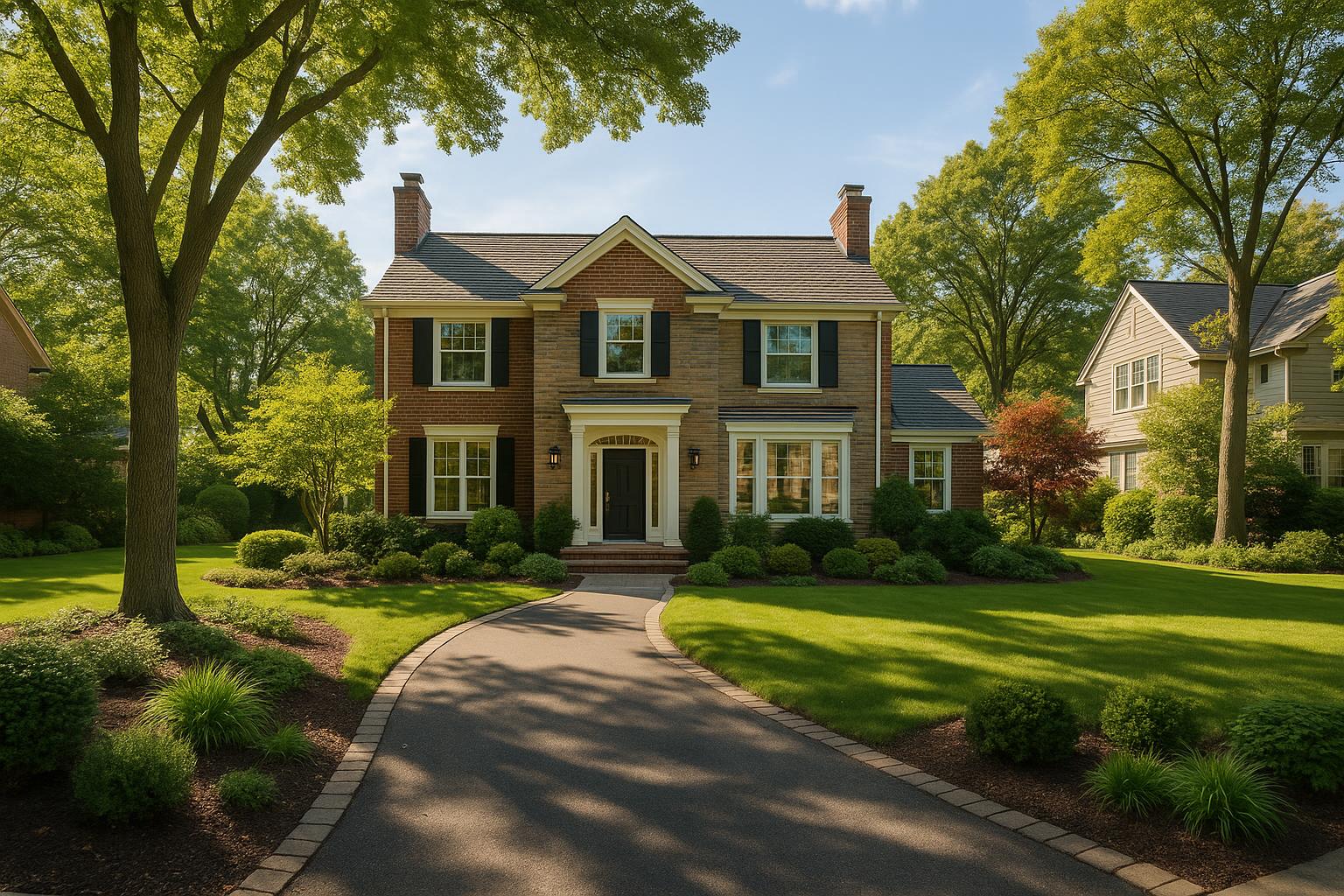
How East Grand Rapids Sellers Evaluate Buyer Financial Stability
Introduction
If you’re selling a home in East Grand Rapids, the difference between a smooth sale and a deal falling apart often comes down to one critical factor: the financial stability of your buyer. In our local market—where homes commonly range from $500K to $2M—vetting a buyer’s financial position isn’t just a formality, it’s a strategic necessity. The key strategy for East Grand Rapids sellers is to proactively evaluate a buyer’s financial stability early in the negotiation process, using specific local signals and documentation to minimize the risk of failed closings, costly delays, or last-minute renegotiations.
Quick Answer
East Grand Rapids sellers can mitigate risk by requiring robust financial documentation from buyers upfront, verifying proof of funds or strong pre-approval from a reputable local lender, and working closely with their listing agent to scrutinize contingencies and closing timelines. In our market, where many buyers are moving up, relocating, or purchasing second homes, not all offers are created equal. Sellers who prioritize financial vetting—especially when multiple offers are on the table—are less likely to face unexpected surprises before closing.
Strategy 1: Insist on Local Lender Pre-Approvals or Verified Proof of Funds
In East Grand Rapids, the strength of a buyer’s pre-approval letter or proof of funds can be a true litmus test of deal security. National online lenders and out-of-area banks are often less familiar with local property values, which can cause underwriting delays or low appraisals. Sellers should request pre-approval letters from established West Michigan lenders—ideally those who have closed deals in Reeds Lake, Gaslight Village, or Breton Downs. These lenders understand the nuances of our high-value neighborhoods and are more likely to close on time.
For cash buyers, don’t settle for a vague bank letter. Ask for recent bank statements or a letter from a private wealth advisor, showing liquid assets exceeding the purchase price. In the $900K–$2M range, I recommend verifying that funds are in U.S.-based accounts to avoid international transfer delays. This small step can prevent last-minute financing surprises and gives you leverage if a competing offer comes in with less transparent documentation.
Strategy 2: Analyze Contingencies and Closing Timelines for Red Flags
Contingencies are common in East Grand Rapids offers, but not all are equal in risk. A buyer who needs to sell another home—especially one outside of East Grand Rapids—adds significant uncertainty. Ask your agent to verify whether the buyer’s existing property is already under contract or still on the market. A sale contingency with an unsold home in a slower market can be a deal breaker, especially during peak moving season near East Grand Rapids High School or Wealthy Street.
Closing timelines also tell a story. Offers with unusually long or vague closing windows may indicate a buyer who isn’t fully prepared or is juggling multiple financial obligations. In my experience, local buyers moving within the neighborhood (for example, from Breton Downs to a larger home near Reeds Lake) often propose tight, realistic timelines, while out-of-town or investor buyers may request flexibility due to financing or occupancy challenges. Weigh these factors carefully to avoid unnecessary delays.
Strategy 3: Scrutinize Earnest Money Deposits and Escalation Clauses
The size and structure of the earnest money deposit (EMD) is a clear signal of buyer commitment in East Grand Rapids. For homes above $750K, I advise sellers to look for EMDs of at least 2–3% of the purchase price, deposited within three business days of acceptance. A low or delayed EMD can be a warning sign that a buyer is overextended or not fully committed to the purchase.
Escalation clauses—common in competitive neighborhoods like Gaslight Village—can boost your sale price, but only if the buyer’s financials back up their offer. Always verify that the buyer’s pre-approval or proof of funds supports the highest escalated price, not just the initial offer. In one recent transaction, we rejected an escalation clause from a buyer whose lender wouldn’t support the upper price range, saving our seller from a likely appraisal shortfall.
Strategy 4: Communicate Directly With Buyer’s Lender or Financial Advisor
One of the most effective ways to reduce uncertainty is to ask your agent to communicate directly with the buyer’s lender or financial advisor. A quick call can confirm whether underwriting has reviewed the buyer’s documents, if any unusual debts or liabilities exist, and whether the buyer’s assets are seasoned and ready for closing. In the East Grand Rapids market, where many buyers are self-employed or have complex finances, these conversations often reveal important details that don’t appear in standard paperwork.
Additionally, buyers with local banking relationships—such as with Lake Michigan Credit Union or a reputable Grand Rapids private bank—tend to close with fewer surprises. If a buyer refuses to grant permission for their lender or advisor to speak with your agent, consider this a red flag. Open communication is standard practice in high-value transactions and is endorsed by many real estate authorities, such as the National Association of Realtors.
Real Seller Case Study
Last spring, I represented sellers with a renovated mid-century modern home near Reeds Lake, listed at $1.2M. We received three offers in the first weekend—two from out-of-town buyers and one from a family already living in Breton Downs. The highest offer included an escalation clause up to $1.27M, but their pre-approval came from an online lender with no local presence and a low EMD of just $5,000.
After calling the lender, I discovered the buyer hadn’t completed full underwriting, and their funds were tied up in an out-of-state business. Meanwhile, the Breton Downs buyer offered $1.22M with a $36,000 EMD and a letter from a respected Grand Rapids lender. My clients chose the slightly lower offer, and the deal closed smoothly in just 29 days—no surprises, no last-minute drama. That financial vetting was the difference between a successful sale and a potential collapse.
East Grand Rapids Market Insight
A unique pattern I’ve seen in East Grand Rapids is that homes near Gaslight Village often attract early offers from cash buyers, but these buyers sometimes request longer inspection or closing periods to move funds between investments. In contrast, buyers targeting homes near East Grand Rapids High School or Breton Downs are more likely to come prepared with solid local financing and shorter timelines—especially in the spring, when families want to move before the next school year. Understanding these micro-trends can help sellers better interpret the true strength behind an offer.
Frequently Asked Questions About Selling in East Grand Rapids
- How do I know if a buyer’s pre-approval is legitimate?
Ask your agent to verify the lender’s local reputation and confirm that underwriting has reviewed the buyer’s financials—not just run a quick credit check. - Should I accept a lower offer with stronger financials?
In many cases, yes. A slightly lower offer from a buyer with a proven local lender and substantial earnest money often closes more smoothly than a higher, riskier offer. - Can I require buyers to show proof of funds before accepting an offer?
Absolutely. Especially in the $1M+ range, it’s standard to request recent bank statements or a letter from a financial advisor as part of your due diligence. - What if a buyer is selling another property to buy mine?
Ask your agent to verify that their current home is already under contract and to check the likelihood of that deal closing on time.
Related East Grand Rapids Seller Resources
- How East Grand Rapids Sellers Can Navigate Buyer Psychology to Prevent Low Offers
- East Grand Rapids Weekly Market Report (2026-03-15)
- Boosting Curb Appeal: How East Grand Rapids Sellers Can Maximize Market Interest
About the Author
Jason Pohlonski
is a Michigan licensed real estate salesperson specializing in strategic home sales in East Grand Rapids, Forest Hills, Ada, and surrounding West Michigan communities.
Jason began his real estate career in Chicago in 2004, later expanding his experience in Ann Arbor from 2014 to 2019, and has been serving clients in the Grand Rapids area since 2019.
With over 20 years of combined real estate experience across multiple markets, Jason focuses on pricing strategy, negotiation structure, and helping clients make confident decisions during complex transactions.
Jason is recognized by platforms and industry organizations including Zillow, Grand Rapids Magazine Real Estate All-Stars, and Real Producers for his work serving West Michigan buyers and sellers.
Jason Pohlonski · Michigan Licensed Real Estate Salesperson
License #360538118 · Keller Williams Grand Rapids East
Specializing in East Grand Rapids, Forest Hills, Ada, and surrounding West Michigan communities
Industry Recognition
Jason Pohlonski has been recognized by respected industry and community organizations for his work serving buyers and sellers throughout the Grand Rapids area.

Top Agent on Zillow
Recognized for outstanding client experiences and verified reviews.

Grand Rapids Magazine Real Estate All-Star
Selected by local industry peers as one of West Michigan’s top real estate professionals.

Real Producers Top 300
Recognized among top