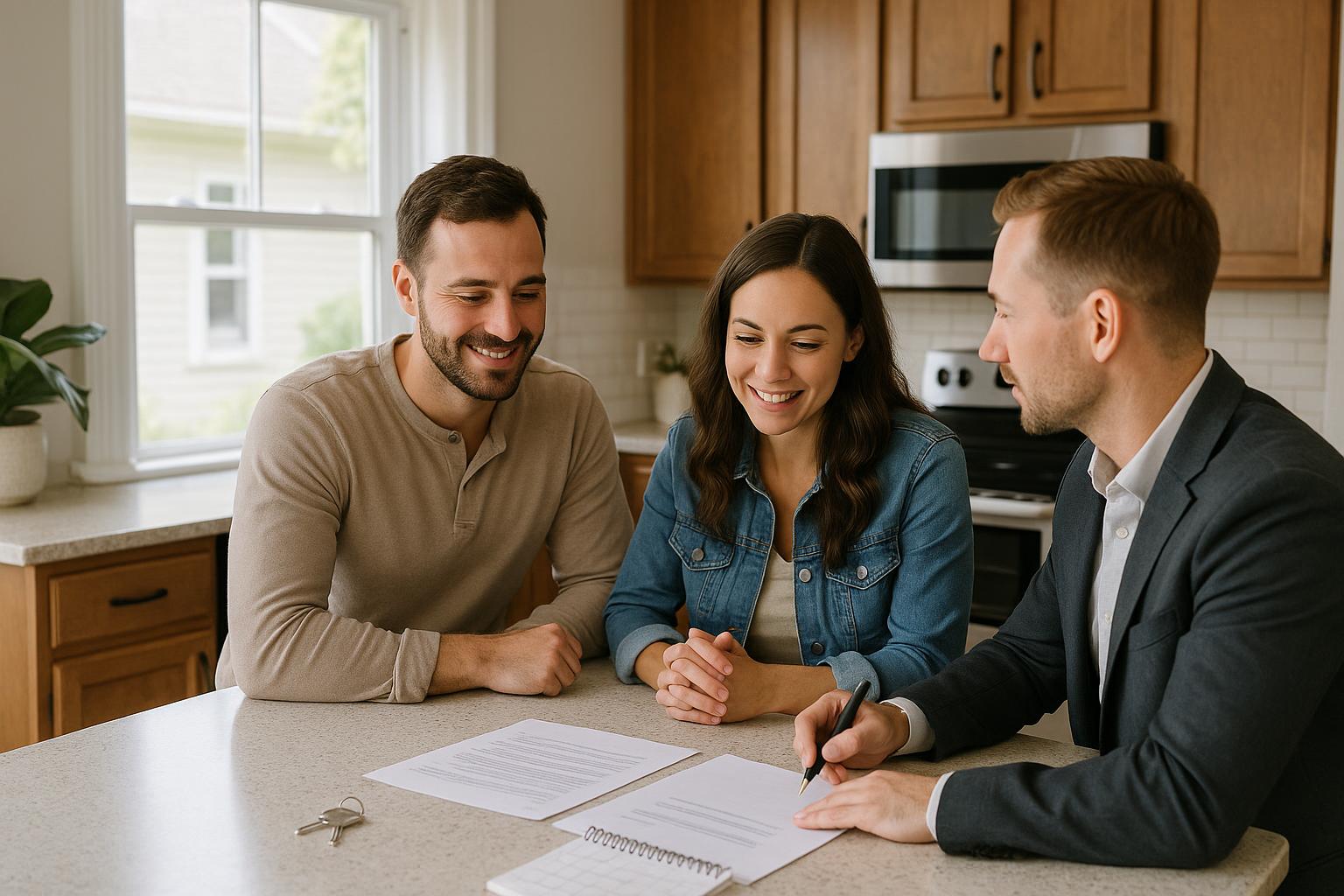
How do I handle possession when buying in Grand Rapids?
When you’re buying a home in Grand Rapids, one of the most practical—and sometimes confusing—details is possession timing: when you actually get the keys and can move in. Whether you’re planning around a lease, a school start date, or a cross-town move, possession timing is a key negotiation point that can impact your entire transition. Here’s how it really works for Grand Rapids buyers and what to consider so you avoid headaches and surprises.
Quick Answer
In Grand Rapids, possession timing is typically negotiated as part of your offer and can range from “at closing” (immediate) to several weeks after closing. Most commonly, sellers request to stay in the home for 0–30 days after closing, but immediate possession is possible—especially if the home is already vacant.
To get the timing you want, you’ll need to clearly state your possession request in your offer and understand what the seller needs as well. If you’re dealing with this situation, I’m happy to walk through it with you.
Strategy 1: Understand Local Norms for Possession Timing
Grand Rapids buyers often expect to get keys at closing, but in practice, many sellers ask for extra time after closing to move out. The most common local scenario is “30 days after close,” which gives the seller breathing room to pack and sometimes align their own purchase. However, immediate possession is often possible on vacant homes or when sellers have already relocated.
If you want to move in right away, ask your agent to check whether the home is owner-occupied or vacant and whether the seller’s next move is lined up. The earlier you know, the easier it is to plan your own move and avoid double housing costs.
Strategy 2: Weigh Offer Strength vs. Your Move-In Needs
When you’re competing against other buyers, being flexible on possession can make your offer stand out. If the seller needs time after closing, offering 15–30 days of “free rent back” can tip negotiations in your favor, especially in multiple-offer situations.
Jason’s take: I’ve seen buyers win homes in Forest Hills and East Grand Rapids by letting sellers stay for a week or two after closing, even when their offer wasn’t the highest. If you don’t have to move in immediately, this can be a powerful bargaining chip.
Strategy 3: Protect Yourself with a Clear Occupancy Agreement
If you agree to let the seller stay after closing, make sure your agent drafts a written occupancy agreement. This document spells out how long the seller stays, whether they’ll pay you rent (sometimes called “occupancy fee”), who covers utilities, and what happens if there’s damage after closing.
According to the Consumer Financial Protection Bureau, it’s important to clarify post-closing arrangements to avoid disputes. In West Michigan, the standard occupancy fee is usually 1/30th of your daily mortgage payment per day, but terms can be negotiated.
Jason’s take: Never rely on a handshake or informal agreement—always get possession terms in writing to avoid any last-minute confusion or legal issues.
Strategy 4: Use a Decision Framework for Timing Your Move
Here’s a rule of thumb: If you’re selling your current home and buying at the same time, try to align your closings with a few days of buffer, but be ready to negotiate if the seller needs more time. If you’re renting, consider ending your lease a week after your expected close to allow for delays and cleaning.
Remember, possession timing can affect your moving costs, storage needs, and even your mortgage interest expenses. The Fannie Mae mortgage closing process guide explains how your closing date and possession date interact with your loan funding and when you start paying interest. Planning for a little overlap can save you a lot of stress.
Real Buyer Case Study
Last year, I worked with buyers purchasing a $430,000 home in Cascade. The sellers needed two weeks after closing to finalize their own move. My clients offered a 14-day rent-free possession, which helped us win in a three-offer situation—even though another offer was slightly higher. We used a written occupancy agreement, clarified who paid utilities, and scheduled a final walkthrough the day the sellers moved out. The transition was smooth, and my buyers moved in with no surprises.
Grand Rapids Buyer Market Insight
In Grand Rapids, possession timing is often a sticking point in the $350,000–$600,000 range, especially in popular school districts like Forest Hills and East Grand Rapids. In these areas, sellers are frequently buying their next home at the same time, so they need flexibility. Buyers who can offer a little extra time—without charging high occupancy fees—tend to get more accepted offers in these competitive neighborhoods.
Frequently Asked Questions About Buying in Grand Rapids
What does “possession at close” mean?
It means you get the keys and can move in as soon as your purchase closes and funds. This is most common when the home is vacant or the seller has already moved out.
What if the seller asks for 30 days after closing?
You can negotiate the length and terms of possession. Just be sure to have a written occupancy agreement covering dates, fees, utilities, and property condition.
Do I have to charge the seller rent for staying after closing?
No, but most buyers charge a daily “occupancy fee” (often 1/30th of the new mortgage payment) to cover your carrying costs. This is negotiable in Grand Rapids.
Can possession timing affect my mortgage or insurance?
It can impact when you start paying interest and when your insurance needs to take effect. Coordinate with your lender and agent to avoid gaps in coverage or payment timing.
Related Grand Rapids Buyer Resources
- Grand Rapids Weekly Market Report: September 20, 2026
- How Grand Rapids Physicians Decide on Buying Lakefront Homes
- How Do I Prepare My East Grand Rapids Home for a Smooth Sale?
About the Author
Jason Pohlonski
is a Michigan licensed real estate salesperson with Keller Williams Grand Rapids East. He helps buyers and sellers throughout Grand Rapids, East Grand Rapids, Forest Hills, Ada, Byron Center, Jenison, Cascade, and surrounding West Michigan communities.
Jason began his real estate career in Chicago in 2004, later expanding his experience in Ann Arbor from 2014 to 2019, and has been serving clients in the Grand Rapids area since 2019.
With over 20 years of combined real estate experience across multiple markets, Jason focuses on helping clients make clear real estate decisions involving pricing, offer terms, inspections, appraisals, relocation timing, and buy-sell planning.
Industry Recognition
Jason is recognized by platforms and industry organizations including Zillow, Grand Rapids Magazine Real Estate All-Stars, and Real Producers for his work serving West Michigan buyers and sellers.
Jason also supports One More Moment, a nonprofit that grants wishes to late-stage cancer patients, by donating $100 for every successful closing.
Professional Disclosure
Jason Pohlonski
Michigan Licensed Real Estate Salesperson
License Verification: Verify Michigan License #6501386166
Brokerage: Keller Williams Grand Rapids East
Brokerage Office: 1555 Arboretum Dr. SE, Grand Rapids, MI 49546
📱 Call or text: 616-916-9770
📅 Schedule consultation:
https://calendly.com/pohlonskirealestate/30min
📧 Email: jpohlonski@kw.com
This article reflects real client experiences and market conditions in Grand Rapids and surrounding communities at the time of publication. Real estate outcomes can vary depending on market conditions, property characteristics, buyer demand, financing terms, inspection results, appraisal results, and lender requirements.
This article is for general informational purposes only and is not legal, tax, financial, insurance, engineering, inspection, or floodplain determination advice. Buyers and sellers should consult qualified professionals before making decisions involving financing, insurance, inspections, taxes, legal issues, or property risk.