What Should I Expect During a Pest Inspection in Grand Rapids?
When you’re buying a home in Grand Rapids, pest inspections can feel like one more hurdle—but they’re essential for protecting your investment and peace of mind. Here’s exactly how pest inspections fit into the local home buying process, what to expect, and how to make smart decisions if issues come up.
Quick Answer
In Grand Rapids, pest inspections are typically scheduled right after your offer is accepted, often as part of the standard home inspection window. You’ll hire a local pest inspection company or request a pest inspection add-on with your home inspector to check for termites, carpenter ants, rodents, and other wood-destroying pests.
If a pest problem is found, you’ll usually negotiate with the seller for treatment or repairs. Pest issues don’t automatically kill a deal, but they do need to be addressed before closing, especially if you’re using a government-backed loan. If you’re dealing with this situation, I’m happy to walk through it with you.
Strategy 1: When Should You Order a Pest Inspection?
Most Grand Rapids buyers schedule a pest inspection at the same time as the general home inspection—usually within 7 to 10 days after an accepted offer. If you’re using a VA or FHA loan, a pest inspection may be required by your lender, especially for homes built before the 1980s or with visible wood structures. Even if you’re a cash or conventional buyer, it’s smart to include a pest inspection for peace of mind, given Michigan’s history with termites and carpenter ants.
Jason’s take: In the $250K–$400K Grand Rapids price range, almost every buyer I work with adds a pest inspection, even if their lender doesn’t require it. It’s a small investment for major peace of mind and leverage in negotiations if issues pop up.
Strategy 2: What Does a Grand Rapids Pest Inspection Cover?
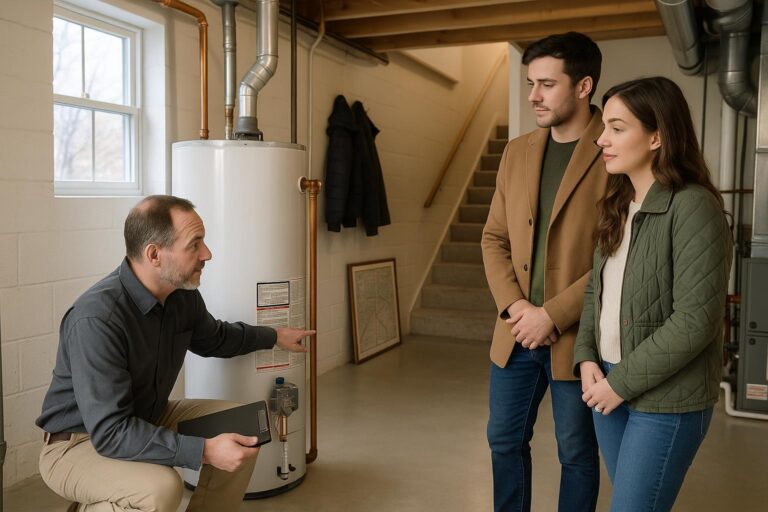
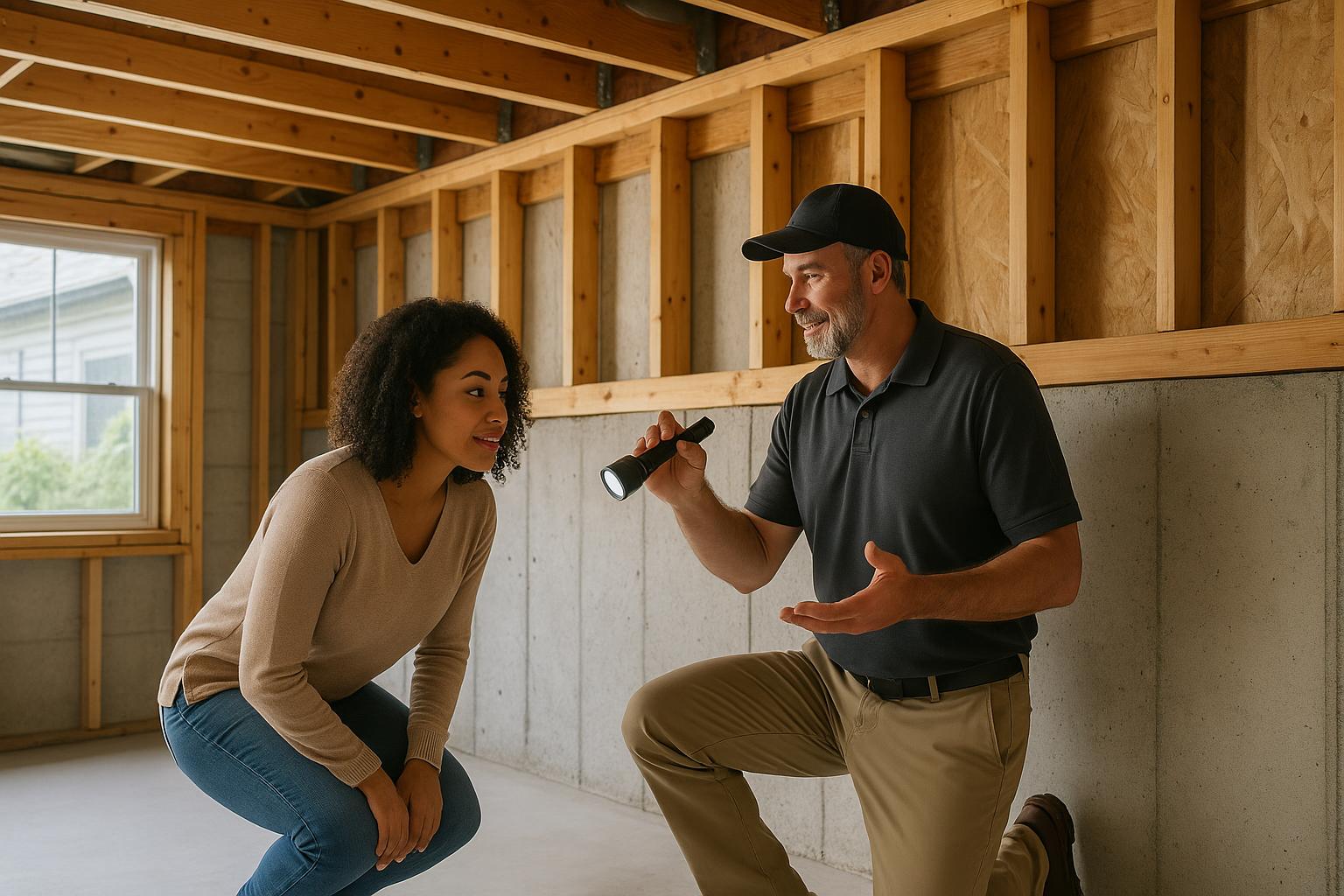
A pest inspection in Grand Rapids focuses on wood-destroying organisms—mainly termites, carpenter ants, powderpost beetles, and sometimes rodents. Inspectors check basements, crawlspaces, attics, garages, and exterior wood trim for signs of damage, frass (insect droppings), mud tubes, and moisture problems. They’ll also look for conditions that could attract pests, like wood-to-ground contact or standing water.
It’s important to hire a pest inspector familiar with Michigan pests, since local construction methods and climate affect what’s likely to show up. You’ll get a written report with photos and recommendations for treatment or repairs. For more on what to expect, the EPA’s pest inspection guide is a good primer.
Strategy 3: How Do You Handle Pest Issues in Negotiations?
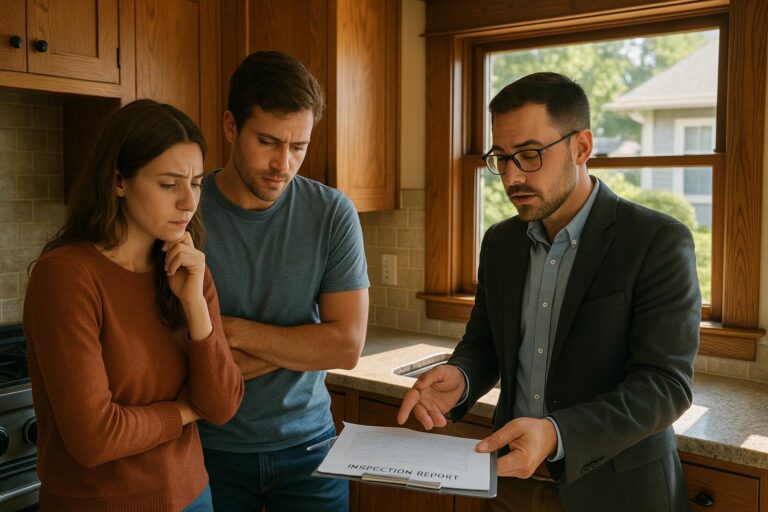
If the inspection finds evidence of pests or damage, buyers in Grand Rapids typically submit a repair or treatment request during the inspection contingency period. Sellers are often willing to address active infestations or structural issues to keep the deal moving, but minor evidence of past activity (with no current infestation) is sometimes considered acceptable, especially in older homes.
Rule of thumb: If the pest issue is active or could cause further damage, ask for professional treatment and a warranty. If it’s minor and historic, get a second opinion before deciding if you want to push for repairs or credits. Lenders like the VA and FHA will often require clearance before closing, so don’t skip this step if you’re using these loan programs.
Strategy 4: How Competitive Markets Affect Pest Inspections
In Grand Rapids’ hottest neighborhoods, buyers sometimes feel pressure to waive inspection contingencies. While waiving the general inspection is risky, most buyers still want a pest inspection—especially in areas with older homes or lots of mature trees. In my experience, skipping a pest inspection rarely pays off, even in a bidding war, since structural pest damage is expensive and can derail your loan approval.
Jason’s take: In multiple-offer situations, I recommend buyers keep the pest inspection but make it clear to the seller they’re only concerned with “major structural or active infestation” findings. This can make your offer stronger without giving up your protection.
Real Buyer Case Study
Last year, I worked with buyers in the Alger Heights area looking at a $285K home built in the 1940s. Their inspection found evidence of old carpenter ant damage in a basement beam, but no active pests. We requested a pest company review, which confirmed no current infestation but suggested sealing a few exterior gaps. The sellers agreed to a small credit for repairs, and my buyers closed with peace of mind—and avoided a costly surprise later on.
Grand Rapids Buyer Market Insight
In Grand Rapids, I’ve noticed that in the $200K–$350K range, buyers are rarely waiving pest inspections, even when offers get competitive. Sellers understand that buyers want these inspections, and most are willing to cooperate—especially if it’s the only thing standing between them and a smooth closing.
Frequently Asked Questions About Buying in Grand Rapids
Do I need a pest inspection for every home in Grand Rapids?
While not always required, pest inspections are strongly recommended for homes with basements, crawlspaces, or visible wood framing—especially older homes.
How much does a pest inspection cost in Grand Rapids?
Most pest inspections cost $75–$150 as an add-on to a home inspection, or $125–$200 as a standalone service.
What happens if the pest inspection finds a problem?
You can ask the seller to treat the problem, repair damage, or provide a credit at closing. For VA or FHA loans, clearance may be required before closing.
Can I waive a pest inspection to make my offer stronger?
You can, but I don’t recommend it. Instead, limit your repair requests to major or active issues to stay competitive while protecting yourself.
Related Grand Rapids Buyer Resources
- Should I Buy a Grand Rapids Home With a Finished or Unfinished Basement?
- Should You Sell Your Grand Rapids Home Before Buying Up?
- Jenison Weekly Market Report – September 6, 2026
About the Author
Jason Pohlonski
is a Michigan licensed real estate salesperson with Keller Williams Grand Rapids East. He helps buyers and sellers throughout Grand Rapids, East Grand Rapids, Forest Hills, Ada, Byron Center, Jenison, Cascade, and surrounding West Michigan communities.
Jason began his real estate career in Chicago in 2004, later expanding his experience in Ann Arbor from 2014 to 2019, and has been serving clients in the Grand Rapids area since 2019.
With over 20 years of combined real estate experience across multiple markets, Jason focuses on helping clients make clear real estate decisions involving pricing, offer terms, inspections, appraisals, relocation timing, and buy-sell planning.
Industry Recognition
Jason is recognized by platforms and industry organizations including Zillow, Grand Rapids Magazine Real Estate All-Stars, and Real Producers for his work serving West Michigan buyers and sellers.
Jason also supports One More Moment, a nonprofit that grants wishes to late-stage cancer patients, by donating $100 for every successful closing.
Professional Disclosure
Jason Pohlonski
Michigan Licensed Real Estate Salesperson
License Verification: Verify Michigan License #6501386166
Brokerage: Keller Williams Grand Rapids East
Brokerage Office: 1555 Arboretum Dr. SE, Grand Rapids, MI 49546
📱 Call or text: 616-916-9770
📅 Schedule consultation:
https://calendly.com/pohlonskirealestate/30min
📧 Email: jpohlonski@kw.com
This article reflects real client experiences and market conditions in Grand Rapids and surrounding communities at the time of publication. Real estate outcomes can vary depending on market conditions, property characteristics, buyer demand, financing terms, inspection results, appraisal results, and lender requirements.
This article is for general informational purposes only and is not legal, tax, financial, insurance, engineering, inspection, or floodplain determination advice. Buyers and sellers should consult qualified professionals before making decisions involving financing, insurance, inspections, taxes, legal issues, or property risk.