How to Price a Custom Home in Forest Hills
When pricing a custom home in Forest Hills, the single most important factor is how your home compares to recent sales of similar properties—specifically, other custom homes with comparable features, lot size, and location within the Forest Hills School District. To attract serious buyers and maximize your final sale price, you need to establish a number that reflects both your home’s unique value and what buyers are actually willing to pay in today’s market. This means going beyond a simple price-per-square-foot calculation and focusing on the details that set your property apart.
Quick Answer
To price a custom home in Forest Hills, start by analyzing recent sales of similar custom properties within your neighborhood and school boundaries. Adjust for your home’s distinctive features, lot, and finish quality, then price just below competing listings to stand out and drive strong buyer interest.
1. Analyze Comparable Custom Sales, Not Just Any Sale
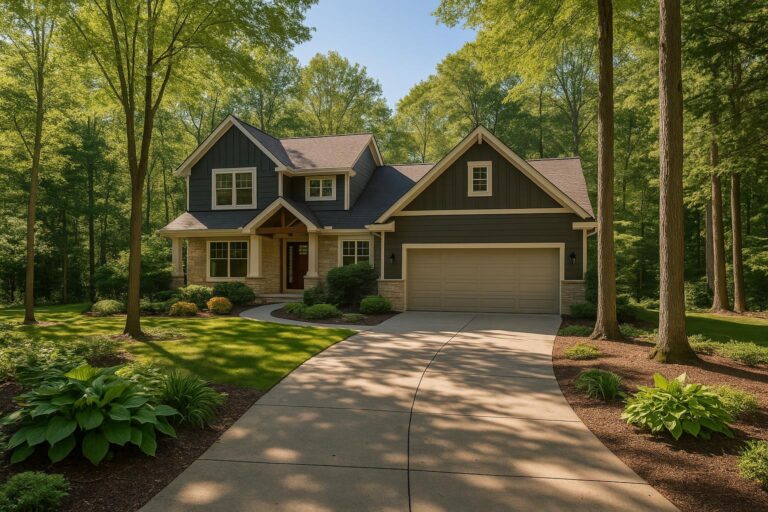
Custom homes in Forest Hills are rarely “cookie-cutter.” Standard online estimates miss the mark, so your first step is to review recent sales of truly comparable custom homes—ideally within the same subdivision, school boundary, or even street. Focus on properties that match your square footage, architectural style, age, and lot size. Pay attention to key differentiators, such as wooded lots in Ada Village or larger parcels in Cascade Township, which consistently command a premium with local buyers.
For example, a custom home near Forest Hills Central High School with a walkout basement and mature landscaping will likely sell for more than a similar-sized home closer to busier roads or with less privacy. Pulling data directly from the MLS and working with an agent who understands the nuances of Forest Hills School District is crucial for identifying true comparables.
2. Adjust for Features That Matter Most to Forest Hills Buyers
Once you have your comparable sales, adjust for the features that buyers in Forest Hills actually prioritize. In my experience, buyers will pay a significant premium for homes with updated kitchens, expanded outdoor living spaces, high-end finishes, and energy-efficient systems. Finished lower levels, especially walkouts, are also a major value driver.
Meanwhile, some upgrades—like elaborate built-in technology or custom flooring—may not add as much resale value as sellers expect. The key is to objectively compare your home’s unique features to what recently sold, and use those differences to fine-tune your asking price. If your home has a three-stall garage and the comps do not, that’s a justifiable adjustment. A home with a wooded Ada Village lot may warrant a higher price than one on a smaller Cascade Township parcel, even if the homes are otherwise similar.
3. Evaluate Current Competition and Set a Strategic Price Position
Pricing against active listings is just as important as looking at sold data. Review all similar custom homes currently for sale in Forest Hills—especially those in your school zone (Central, Northern, or Eastern). If your home is more updated or sits on a better lot, you can price at the top of the range, but beware of overreaching. In today’s market, homes priced just below direct competition often attract the most attention, showings, and offers.
A useful rule of thumb: If there are three or more competing homes in your price range, position yours 1-2% below the nearest comparable to create urgency. If inventory is tight, a premium is possible—but only if your home’s presentation is flawless. This strategic pricing approach has helped my Forest Hills sellers achieve multiple offers, even for higher-end custom homes, especially when listing near spring and early summer.
4. Factor in Appraisal Limits and Buyer Financing Realities
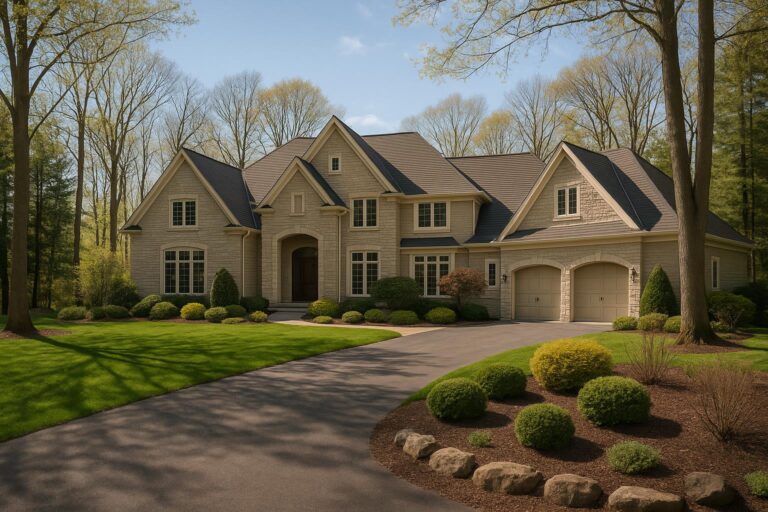
Custom homes in the $400K–$1.5M range often attract buyers using conventional or jumbo financing. Lenders rely heavily on recent comparable sales for appraisals—so if you aim well above the last few sales, expect appraisal challenges and possible price renegotiation. It’s essential to know where the likely appraisal ceiling is and to build your negotiation strategy around it.
If you receive an offer above asking, be prepared for a potential appraisal gap. You can strengthen your position by requesting appraisal gap coverage in the offer or by presenting a well-documented pricing rationale to the appraiser. For more on handling low appraisals, see this guide on low appraisals in Grand Rapids. The Forest Hills School District consistently sees strong buyer demand, but overpricing leads to longer market times and lower final sale prices.
Real Seller Case Study: Ada Village Custom Home
Last year, I worked with sellers in Ada Village who owned a 4,200-square-foot custom home near Forest Hills Central High School. The home featured a wooded lot, modern kitchen, and a walkout lower level. Competing listings were priced between $950,000 and $1.05M, but most lacked the privacy and lot size of my client’s property.
We priced at $989,000—just below the most directly comparable home but above the average. The home attracted three offers in the first week, two with escalation clauses. After a brief negotiation, the home sold for $1,015,000, above asking but within the appraised value range. This outcome was possible because we focused on the unique lot, recent sales, and strategic positioning.
Forest Hills Market Insight: School Zones and Relocation Demand
One trend I consistently see is that buyers with school-aged children prioritize Forest Hills Central, Northern, or Eastern zones based on their specific needs. Relocation buyers moving to Forest Hills—especially those working in downtown Grand Rapids—often target Cascade Township homes for their larger lots and convenient commutes. Wooded lots in Ada Village continue to attract a premium, especially for buyers seeking privacy and proximity to parks and trails.
According to Greater Regional Alliance of Realtors (GRAR) market data, Forest Hills consistently leads suburban Grand Rapids for price-per-square-foot and days on market, reinforcing the value of pricing accurately and leveraging local demand trends.
Frequently Asked Questions About Selling in Forest Hills School District
- How long do custom homes typically take to sell in Forest Hills?
Custom homes in Forest Hills usually sell within 14–30 days if priced correctly and well-presented, but unique features or overpricing can extend market time. - Do buyers pay more for homes zoned to Forest Hills Central?
Yes, homes zoned to Forest Hills Central often command a premium, especially those within walking distance to top schools and amenities. - What if my home is newer than most comps?
If your home is significantly newer, you can justify a higher price—but document the upgrades and be prepared to explain the value to buyers and appraisers. - How do appraisers determine value for custom homes?
Appraisers rely on recent comparable sales with similar custom features and adjust for differences in lot, finishes, and square footage, often using the same criteria buyers use.
Related Forest Hills Seller Resources
- How Do I Handle Buyer Inspection Requests in East Grand Rapids?
- What Should I Do If the Appraisal on My Grand Rapids Home Comes In Lower Than Expected?
- What Should I Know About Radon Testing in Grand Rapids?
About the Author
Jason Pohlonski
is a Michigan licensed real estate salesperson with Keller Williams Grand Rapids East. He helps buyers and sellers throughout East Grand Rapids, Grand Rapids, Forest Hills, Ada, Byron Center, Jenison, Cascade, and surrounding West Michigan communities.
Jason began his real estate career in Chicago in 2004, later expanding his experience in Ann Arbor from 2014 to 2019, and has been serving clients in the Grand Rapids area since 2019.
With over 20 years of combined real estate experience across multiple markets, Jason focuses on helping clients make clear real estate decisions involving pricing, offer terms, inspections, appraisals, relocation timing, and buy-sell planning.
Industry Recognition
Jason is recognized by platforms and industry organizations including Zillow, Grand Rapids Magazine Real Estate All-Stars, and Real Producers for his work serving West Michigan buyers and sellers.
Jason also supports One More Moment, a nonprofit that grants wishes to late-stage cancer patients, by donating $100 for every successful closing.
Professional Disclosure
Jason Pohlonski
Michigan Licensed Real Estate Salesperson
License Verification: Verify Michigan License #6501386166
Brokerage: Keller Williams Grand Rapids East
Brokerage Office: 1555 Arboretum Dr. SE
Grand Rapids, MI 49546
📱 Call or text: 616-916-9770
📅 Schedule consultation:
https://calendly.com/pohlonskirealestate/30min
📧 Email: jpohlonski@kw.com
This article reflects real client experiences and market conditions in East Grand Rapids, Grand Rapids, and surrounding West Michigan communities at the time of publication. Real estate outcomes can vary depending on market conditions, property characteristics, buyer demand, financing terms, inspection results, appraisal results, and lender requirements.
This article is for general informational purposes only and is not legal, tax, financial, insurance, engineering, inspection, or appraisal advice. Buyers and sellers should consult qualified professionals before making decisions involving financing, insurance, inspections, taxes, legal issues, property risk, or valuation.