How do I handle a low appraisal on my Grand Rapids home when selling?
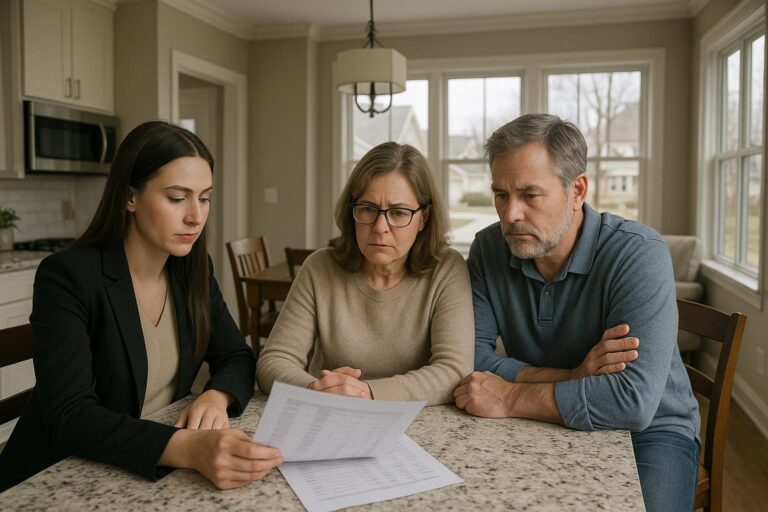
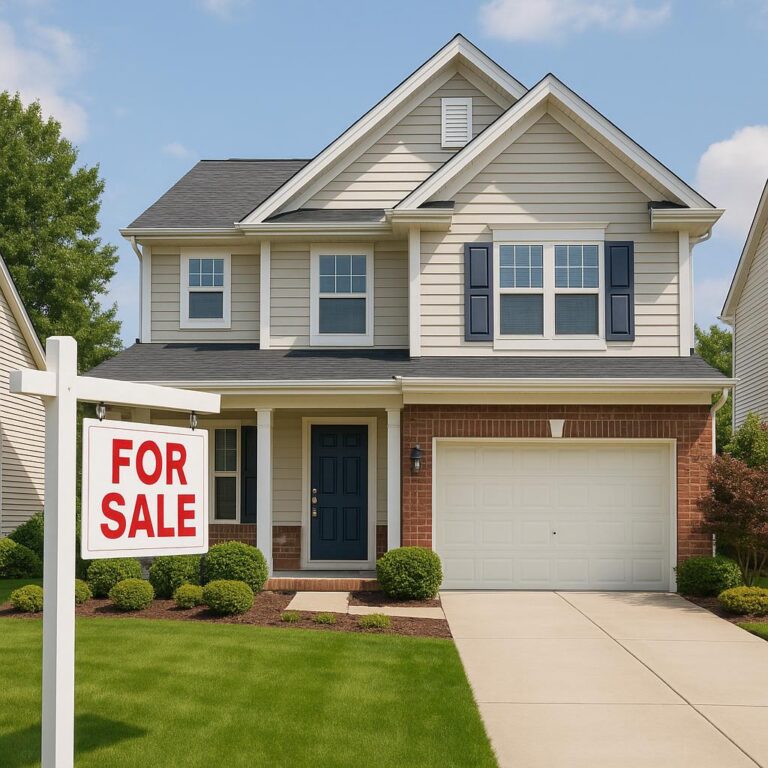
If you’re selling your Grand Rapids home and just found out the appraisal came in lower than the agreed sale price, it can feel like the rug has been pulled out from under you. Suddenly, the deal you were counting on looks shaky, and you’re facing tough choices about your sale, your timeline, and your bottom line. A low appraisal doesn’t mean your sale is doomed, but it does mean you’ll need to navigate some important decisions to keep your transaction on track—or know when to pivot.
Low appraisals matter for sellers because most buyers rely on mortgage financing, and lenders will only finance up to the appraised value. If the appraisal comes in below the contract price, the lender may refuse to fund the full amount, putting pressure on you to renegotiate or adjust your approach. Here’s how Grand Rapids sellers can take control of the situation and move forward with confidence.
Quick Answer
When your Grand Rapids home appraises low, you’re faced with a decision: renegotiate with the buyer, challenge the appraisal, adjust your price, or consider new offers. Each path has trade-offs, but the right choice depends on your priorities, the buyer’s flexibility, and current market dynamics.
A low appraisal isn’t the end of your sale. With clear strategy and local insight, you can often salvage the deal or reposition your listing for a better outcome. If you’re dealing with this, I’m happy to walk through it with you.
1. Revisit Your Price and Listing Strategy
If the appraisal comes in lower than expected, your first decision is whether to adjust your sale price. In Grand Rapids, this is where sellers need to evaluate how the market is responding to their listing. If you’ve already noticed slow showings, little offer activity, or feedback about pricing, a low appraisal may be a sign that the market value is below your expectations.
Jason’s take: “I always recommend reviewing recent comparable sales with your agent as soon as the appraisal report arrives. Sometimes the market has shifted since you went under contract, or new comps have closed. If the data supports your price, you may have leverage—but if not, adjusting now can save you time and stress.”
2. Negotiate with the Buyer
When the appraisal falls short, most sellers start by opening a conversation with the buyer. The buyer may be willing to bring additional cash to closing, split the difference, or accept a modest price reduction to keep the deal alive. In Grand Rapids, how flexible buyers are will often depend on their financing and how much they want your home.
Jason’s take: “It’s common for buyers to ask the seller to meet them halfway. I’ve seen sellers cover $5,000 to $10,000 of the gap to close the deal, especially when a quick sale is important. Every negotiation is different—your leverage depends on how your listing is positioned and whether you have backup interest.”
For more on the appraisal process and negotiation, see the Consumer Financial Protection Bureau’s guide on appraisals.
3. Dispute the Appraisal (When Warranted)
If you and your agent believe the appraisal missed important comps, overlooked upgrades, or contains factual errors, you can submit a reconsideration of value (ROV) to the lender. This process involves providing evidence—such as recent sales or proof of improvements—that supports a higher value.
In Grand Rapids, this tactic works best when the gap is small and there’s clear, recent data the appraiser missed. Keep in mind, lenders rarely change appraised values without compelling evidence, and the process can add days or weeks to your timeline. However, it’s worth pursuing if you have a strong case.
For more about the dispute process, refer to NAR’s tips on low appraisals.
4. Walk Away and Re-List (If Needed)
Sometimes, the numbers just don’t work—either the buyer can’t cover the gap, or the appraisal is so far off you’d take a major loss. In these cases, Grand Rapids sellers may choose to terminate the deal and re-list the home. This can be the right call if your listing is new, you’ve seen strong activity, or you believe a different buyer or loan type will yield a better result.
Be realistic: if the appraisal came in low, other buyers using financing may encounter the same issue. Consider whether it’s worth waiting for a cash buyer or making modest price improvements to attract new interest. Always weigh the cost of holding the property longer versus accepting a slightly lower price now.
Real Seller Case Study: A Grand Rapids Appraisal Challenge
One Grand Rapids seller I worked with received an offer $15,000 over their asking price after a busy weekend of showings. When the appraisal came in $12,000 below the contract price, the seller was frustrated and worried the deal would fall apart. We quickly reviewed the comps, found a recent similar home that had closed for more, and submitted a reconsideration of value with supporting documentation. The lender increased the appraised value by $7,000—not all the way, but enough for the buyer to bridge the rest with cash. The seller netted more than expected, and the closing stayed on track.
Grand Rapids Market Insight
In Grand Rapids, it’s common to see homes attract strong offers during periods of tight inventory, but appraisals don’t always keep up with rising prices. Sellers who stay proactive—by reviewing comps, prepping for appraisals, and staying flexible—tend to navigate these bumps more successfully than those who dig in on price alone.
Frequently Asked Questions About Selling in Grand Rapids
- Can I require the buyer to pay the difference on a low appraisal?
Only if the contract allows for it, and the buyer is willing and able to pay. Most buyers have limits on cash reserves. - Will a low appraisal affect my home’s value for future buyers?
It can, especially if other buyers use financing. Future appraisals may reference the recent low value as a comparable sale. - Should I accept a lower price just to keep the deal moving?
It depends on your timeline, goals, and how the market is responding. Sometimes a small concession is better than starting over. - How can I prepare for an appraisal to avoid this scenario?
Work with your agent to highlight upgrades, provide a list of improvements, and ensure the home is clean and accessible for the appraiser’s visit.
Related Resources
- What Happens If My Grand Rapids Home Appraises Low?
- Can I Sell My Grand Rapids Home As-Is?
- Should I Fix Things Before Selling in Grand Rapids?
About the Author
Jason Pohlonski
is a Michigan licensed real estate salesperson with Keller Williams Grand Rapids East. He helps buyers and sellers throughout Grand Rapids, East Grand Rapids, Forest Hills, Ada, Byron Center, Jenison, Cascade, and surrounding West Michigan communities.
Jason began his real estate career in Chicago in 2004, later expanding his experience in Ann Arbor from 2014 to 2019, and has been serving clients in the Grand Rapids area since 2019.
With over 20 years of combined real estate experience across multiple markets, Jason focuses on helping clients make clear real estate decisions involving pricing, offer terms, inspections, appraisals, relocation timing, and buy-sell planning.
Industry Recognition
Jason is recognized by platforms and industry organizations including Zillow, Grand Rapids Magazine Real Estate All-Stars, and Real Producers for his work serving West Michigan buyers and sellers.
Jason also supports One More Moment, a nonprofit that grants wishes to late-stage cancer patients, by donating $100 for every successful closing.
Professional Disclosure
Jason Pohlonski
Michigan Licensed Real Estate Salesperson
License Verification: Verify Michigan License #6501386166
Brokerage: Keller Williams Grand Rapids East
Brokerage Office: 1555 Arboretum Dr. SE, Grand Rapids, MI 49546
📱 Call or text: 616-916-9770
📅 Schedule consultation:
https://calendly.com/pohlonskirealestate/30min
📧 Email: jpohlonski@kw.com
This article reflects real client experiences and market conditions in Grand Rapids and surrounding communities at the time of publication. Real estate outcomes can vary depending on market conditions, property characteristics, buyer demand, financing terms, inspection results, appraisal results, and lender requirements.
This article is for general informational purposes only and is not legal, tax, financial, insurance, engineering, inspection, or floodplain determination advice. Buyers and sellers should consult qualified professionals before making decisions involving financing, insurance, inspections, taxes, legal issues, or property risk.