Should I Worry About Asbestos When Buying in Grand Rapids?
If you’re considering an older home in Grand Rapids, asbestos is something you’ll probably encounter—especially in homes built before the late 1970s. Asbestos isn’t always a dealbreaker, but it’s important to know what it means for your purchase, inspection, and ownership experience.
Quick Answer
Yes, you should be aware of asbestos when buying an older Grand Rapids home, but it’s rarely a reason to panic. Asbestos-containing materials are common in homes built before 1980 here, and most buyers handle it as part of the inspection and negotiation process.
As long as asbestos is undisturbed and in good condition, it often doesn’t present an immediate health risk. The real questions are: where is it, what condition is it in, and what will it take to address it if needed? If you’re dealing with this situation, I’m happy to walk through it with you.
Understanding Where Asbestos Shows Up in Grand Rapids Homes
In Grand Rapids, most asbestos concerns come up in homes built before 1980—especially those from the 1920s through the 1960s. You’ll most often see it in pipe insulation (especially in unfinished basements), old floor tiles (usually 9×9 inch), some ceiling tiles, boiler wraps, and certain types of attic insulation. Even some exterior siding and roofing materials can contain asbestos, though these are less likely to be disturbed during normal living.
The key is knowing that just because asbestos is present doesn’t mean you’ll need to tear it out. If the material is intact and undisturbed, the Environmental Protection Agency (EPA) and Michigan Department of Health and Human Services both advise it can often be left in place and monitored. The real risk comes from demolition, sanding, or other activities that release fibers into the air.
How Asbestos Affects Inspection and Negotiation Strategy
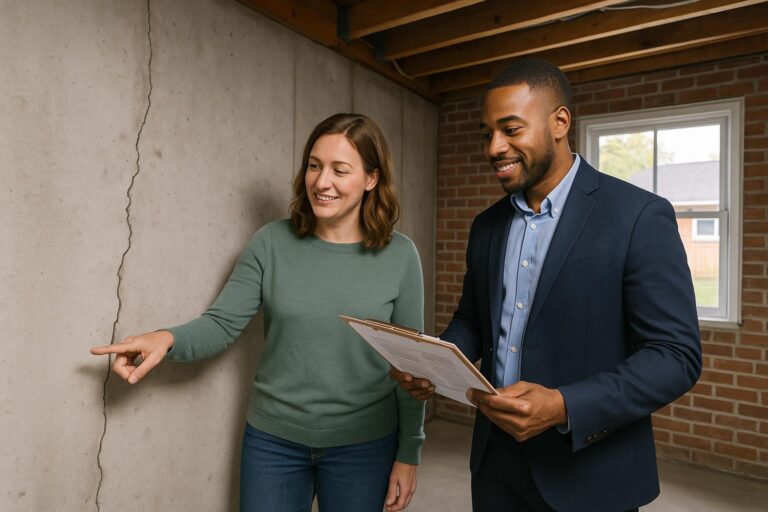
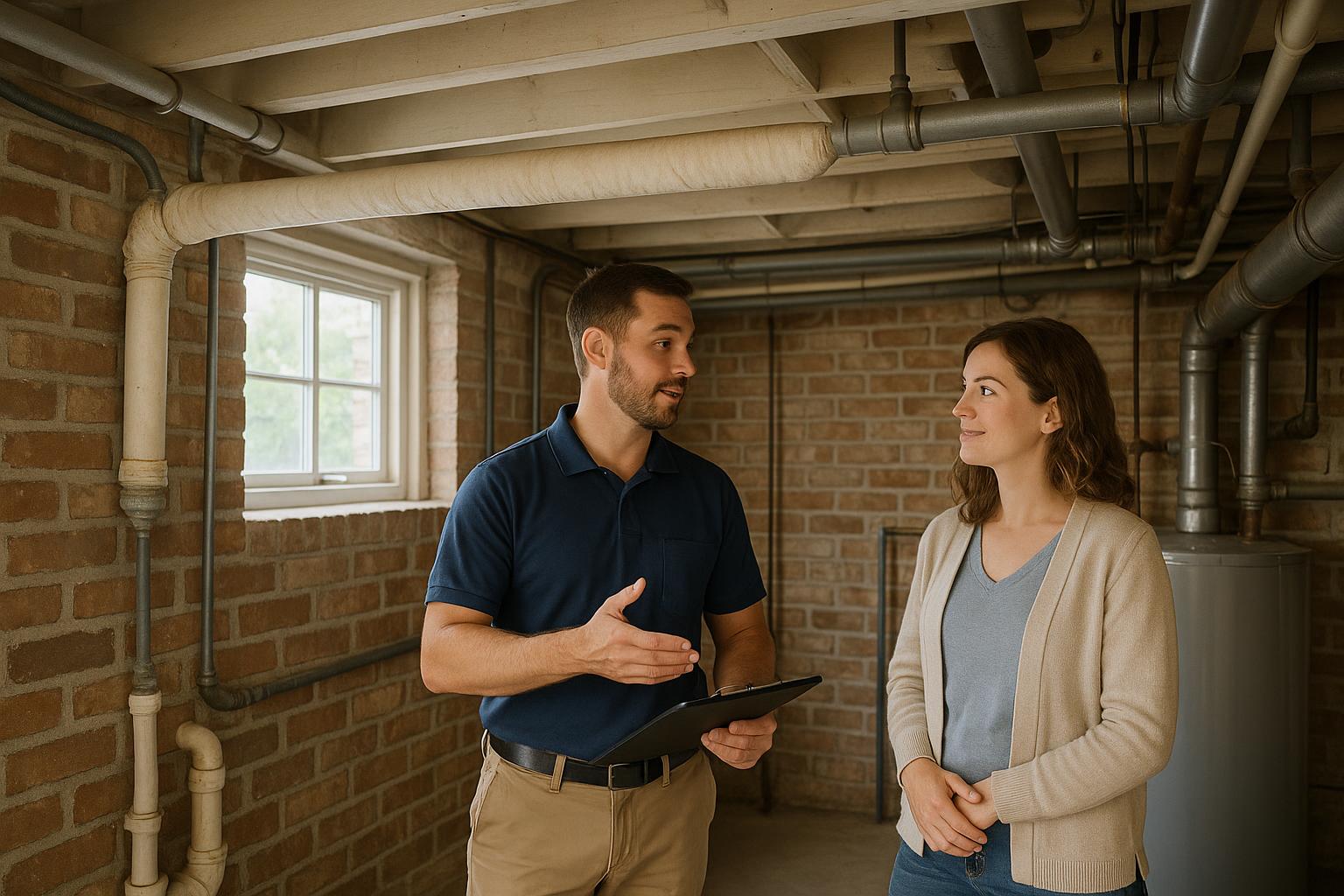
Most home inspectors in Grand Rapids are trained to spot materials that are likely to contain asbestos, but they can’t confirm it without lab testing. If your inspector sees suspect materials—like wrapped basement pipes or old floor tiles—they’ll note it in your report. You’ll then have a few options: leave it as-is (if it’s in good shape), ask the seller to remediate, or negotiate a credit to handle it after closing.
Jason’s take: In most price ranges under $450,000, buyers rarely walk away from a deal just because of asbestos. Instead, we focus on whether the material is damaged or likely to be disturbed. If it’s a safety issue (like crumbling insulation in a playroom), I always recommend getting quotes from a licensed abatement contractor and using those numbers to negotiate.
Financing and Insurance Considerations with Asbestos
Most conventional loans in Grand Rapids (and even FHA/VA loans) do not automatically deny financing just because asbestos is present. Lenders generally care more about the condition and safety of the home. If asbestos is in poor condition or poses a health risk, it could affect your ability to get certain types of financing or insurance. FHA and VA loans may require that friable (easily crumbled) asbestos be repaired or removed before closing—see the HUD guidelines for details.
Rule of thumb: If the material is intact and not a safety concern, you can usually proceed with your loan. If your inspector flags damaged or crumbling asbestos, be prepared for possible lender requirements or to negotiate with the seller for remediation. Always talk with your lender and insurance agent early if asbestos is discovered.
Making an Offer: Balancing Risk, Cost, and Competition
Asbestos doesn’t usually stop buyers from making offers in Grand Rapids, but it can affect your negotiating power—especially in competitive neighborhoods like Alger Heights, Ottawa Hills, or Heritage Hill. In a multiple-offer scenario, buyers may choose to accept known, contained asbestos rather than risk losing the home over a minor concern. However, if you’re the only offer or the market is slower, you have more leverage to request credits or remediation.
Jason’s take: I’ve seen buyers win bidding wars by accepting intact asbestos and focusing on bigger-ticket repairs. If you’re comfortable with the risk and have a plan for future upgrades, asbestos doesn’t have to be a dealbreaker. We’ll talk through whether it makes sense to push for remediation or use it as a negotiating point.
Ownership and Long-Term Maintenance
If you buy a home with asbestos-containing materials, your main responsibility is to avoid disturbing them. Asbestos becomes a problem when fibers are released into the air—usually during renovations, repairs, or if the material starts to deteriorate. It’s important to let contractors and future workers know if asbestos is present, so they can take proper precautions.
Professional abatement is always recommended if you plan to remove asbestos. The EPA and the State of Michigan maintain lists of licensed asbestos abatement contractors. Costs can range from a few hundred dollars for a small pipe wrap to several thousand for larger projects. Many Grand Rapids buyers choose to budget for abatement as part of future renovations, rather than tackling it right away.
Real Buyer Case Study
Last year, I worked with buyers purchasing a $320,000 home in the Eastgate neighborhood. During inspection, we found original 1950s basement pipes with asbestos wrap. The inspector noted that the wrap was intact and not flaking. Because the buyers planned to finish the basement in a few years, we got quotes from two local asbestos abatement contractors—both came in under $1,200 for full removal. We used these quotes to negotiate a $1,500 seller credit, which the buyers applied toward removal a few months after closing. The transaction closed on time, and the buyers moved in with a clear plan for safe future renovations.
Grand Rapids Buyer Market Insight
In Grand Rapids, especially in neighborhoods with pre-1970s homes, most buyers expect to encounter some asbestos. In the $200,000–$400,000 range, buyers are usually more concerned with major foundation or roof issues than with intact asbestos. I see more negotiating leverage on asbestos in slower months (late fall and winter) or when a home has been sitting on the market for a while. But in hot spring markets or with multiple offers, buyers are more likely to accept known asbestos as part of the package.
Frequently Asked Questions About Buying in Grand Rapids
Is asbestos always dangerous in older Grand Rapids homes?
No. Asbestos is generally considered safe if it’s intact and undisturbed. The risk comes from damaged or crumbling material that can release fibers into the air.
How expensive is it to remove asbestos in Grand Rapids?
Costs vary by project size and location—small jobs (like a few feet of pipe insulation) can be under $1,000, while larger jobs can run several thousand dollars. Always get quotes from licensed contractors.
Will finding asbestos kill my financing or insurance?
Usually not, unless the asbestos is in poor condition or a lender has specific requirements. Talk to your lender and insurance agent early if asbestos is flagged in your inspection.
Can I test for asbestos myself?
DIY testing is not recommended. Hire a licensed asbestos inspector or abatement contractor for safe, reliable testing and removal if needed.
Related Grand Rapids Buyer Resources
- What Should I Know About Buying a Grand Rapids Home with an Old Roof?
- How Do I Decide If I Should Sell My Grand Rapids Home Now or Wait?
- What Should I Know About Earnest Money Deposits in Grand Rapids?
About the Author
Jason Pohlonski
is a Michigan licensed real estate salesperson with Keller Williams Grand Rapids East. He helps buyers and sellers throughout Grand Rapids, East Grand Rapids, Forest Hills, Ada, Byron Center, Jenison, Cascade, and surrounding West Michigan communities.
Jason began his real estate career in Chicago in 2004, later expanding his experience in Ann Arbor from 2014 to 2019, and has been serving clients in the Grand Rapids area since 2019.
With over 20 years of combined real estate experience across multiple markets, Jason focuses on helping clients make clear real estate decisions involving pricing, offer terms, inspections, appraisals, relocation timing, and buy-sell planning.
Industry Recognition
Jason is recognized by platforms and industry organizations including Zillow, Grand Rapids Magazine Real Estate All-Stars, and Real Producers for his work serving West Michigan buyers and sellers.
Jason also supports One More Moment, a nonprofit that grants wishes to late-stage cancer patients, by donating $100 for every successful closing.
Professional Disclosure
Jason Pohlonski
Michigan Licensed Real Estate Salesperson
License Verification: Verify Michigan License #6501386166
Brokerage: Keller Williams Grand Rapids East
Brokerage Office: 1555 Arboretum Dr. SE, Grand Rapids, MI 49546
📱 Call or text: 616-916-9770
📅 Schedule consultation:
https://calendly.com/pohlonskirealestate/30min
📧 Email: jpohlonski@kw.com
This article reflects real client experiences and market conditions in Grand Rapids and surrounding communities at the time of publication. Real estate outcomes can vary depending on market conditions, property characteristics, buyer demand, financing terms, inspection results, appraisal results, and lender requirements.
This