What should I know about well and septic inspections in Grand Rapids?
If you’re considering a home in Grand Rapids with a private well and septic system, you’ll want to know exactly what’s involved in the inspection process, what issues to watch for, and how these systems can affect your financing and future costs. In this market, well and septic inspections are a normal part of buying outside city water and sewer service areas, and understanding the steps can help you avoid costly surprises.
Quick Answer
In Grand Rapids, a well and septic inspection is typically required for homes not connected to city water and sewer, especially in rural, edge-of-town, and many Forest Hills or Ada neighborhoods. The inspection checks water safety, well function, and the health of the septic system. Local county health departments often require approval before closing, and many lenders will not fund loans without it.
Buyers should expect to schedule a licensed inspector, budget $300–$600 for testing, and be prepared for potential repairs or negotiations if problems are found. If you’re dealing with this situation, I’m happy to walk through it with you.
Why These Inspections Matter for Grand Rapids Buyers
Wells and septic systems are common in many Grand Rapids-area suburbs and rural neighborhoods, especially where municipal utilities don’t reach. A well and septic inspection is not just a formality—it’s a buyer’s safeguard against major health and financial risks. Contaminated water, failing pumps, cracked tanks, or saturated drain fields can cost thousands to fix and are sometimes not obvious during a casual walkthrough.
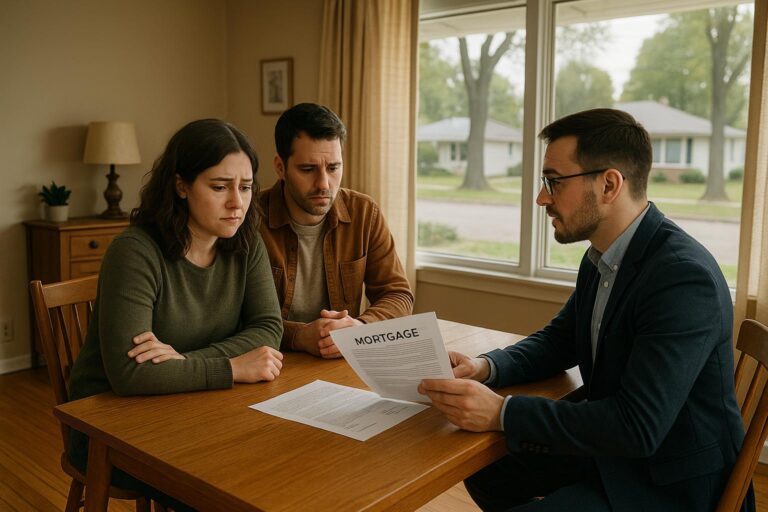
Most lenders require passing well and septic reports before closing, and the Kent County Health Department must also sign off if the home is in their jurisdiction. Issues found during these inspections can change your negotiation strategy, impact your closing timeline, or even cause a deal to fall through if not handled proactively. For more on inspection requirements, the Kent County Environmental Health Division is the local authority.
How the Inspection Process Works in Grand Rapids
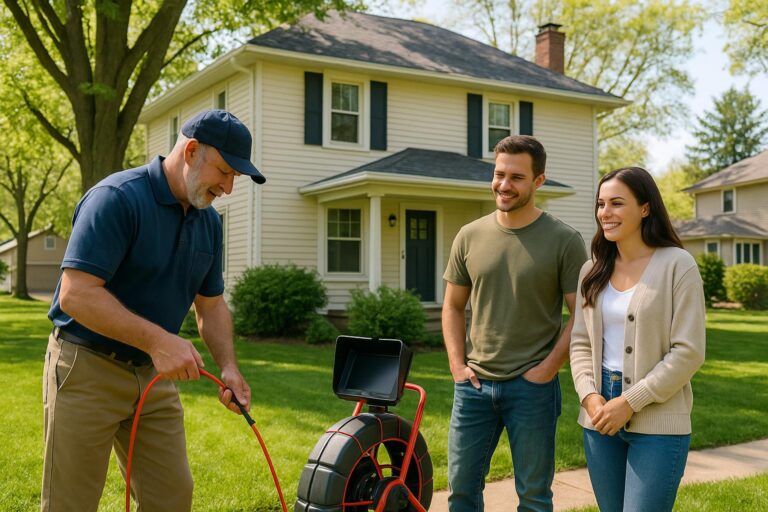
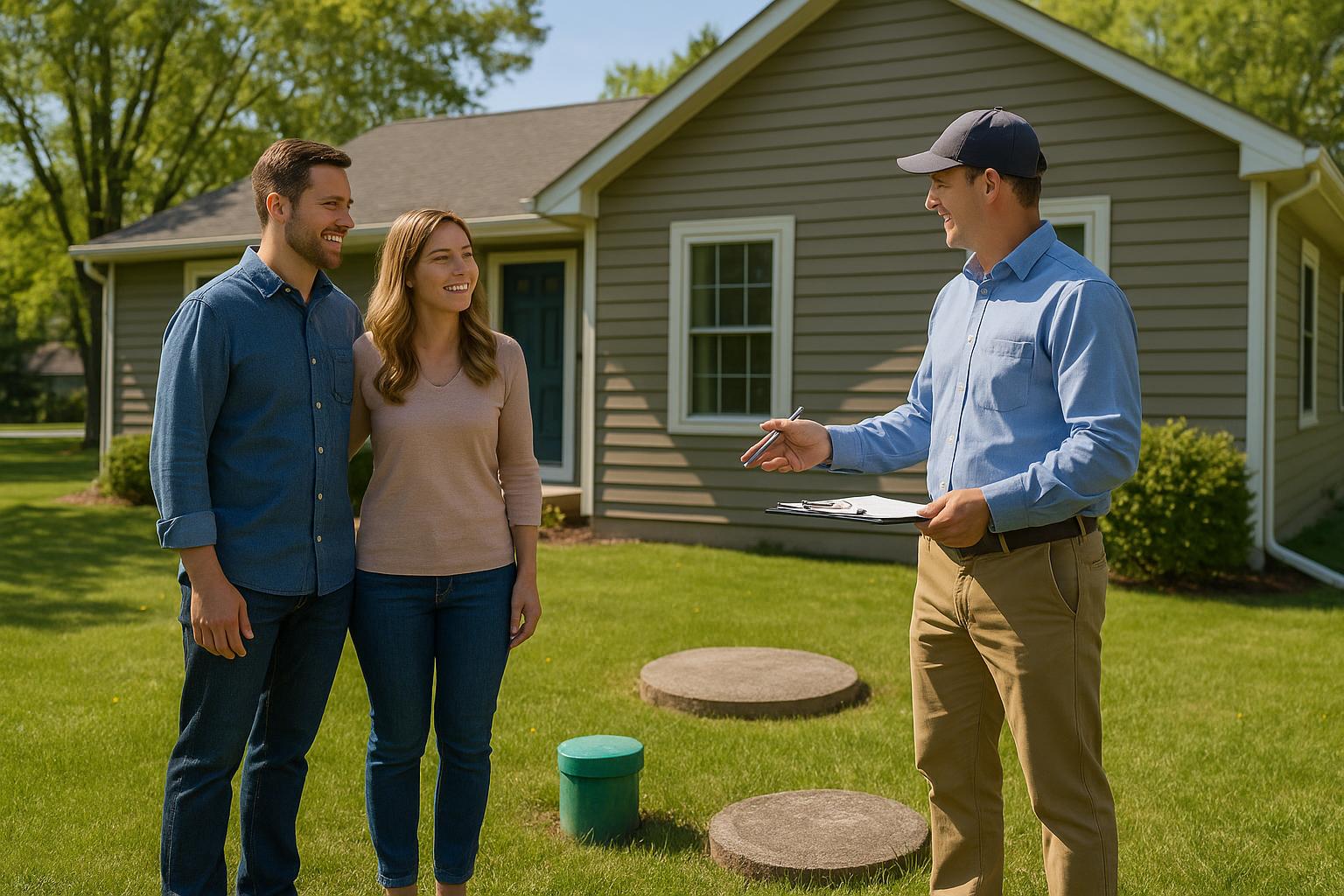
Once you have an accepted offer on a property with a well and septic, the typical process starts with hiring a state-licensed inspector. The inspector tests the well for bacteria (like E. coli), nitrates, and sometimes arsenic or other minerals. They’ll also check the pump, pressure tank, and visible components for proper function. For septic systems, the inspection usually includes opening the tank to check fluid levels, inspecting the baffles, and evaluating the drain field for saturation or failure.
Results are sent to you, your agent, and sometimes directly to the county health department. If any part fails, the seller may need to repair or replace components before closing. In most Grand Rapids-area transactions, the buyer pays for the inspection but can negotiate repairs based on the outcome. For more about what these inspections cover, see this EPA guide to private wells.
How Well and Septic Results Affect Your Offer Strategy
If you’re competing with other buyers, especially in popular Grand Rapids suburbs, your approach to well and septic inspections can impact your offer strength. Some buyers try to shorten inspection periods or waive minor repairs to stand out—but with wells and septics, skipping a full inspection is rarely worth the risk. Major problems can mean $10,000+ in unplanned costs.
Jason’s take: I always recommend buyers keep a strong inspection contingency for well and septic. In this market, sellers usually expect it, and walking away is better than inheriting a failed system. If you need to compete, consider limiting repair requests to health/safety issues only, but never skip the inspection itself.
Understanding Local Costs and Timelines
The typical well and septic inspection in the Grand Rapids area costs between $300 and $600, with additional charges for water quality panels or extra testing. Inspections usually take place within the first week after your offer is accepted. Results are often available in 3–5 business days, but if repairs or county re-inspection are needed, closing could be delayed by a week or more.
Rule of thumb: Always budget at least $500 for the inspection and allow an extra week in your purchase timeline if the home is on well and septic. If you’re using FHA, VA, or USDA financing, expect even stricter water quality standards and required documentation. This can affect your ability to close on time, especially if the seller isn’t prepared for repairs or paperwork.
Negotiating Repairs and Navigating County Approval
If the inspection finds issues—such as bacteria in the water, a failing drain field, or a cracked septic tank—you’ll need to negotiate with the seller. In Kent County, the health department will not approve the transfer of the home until the system is compliant. Most sellers will agree to fix health-related defects, but not always cosmetic or “end of life” components that are still functional.
Jason’s take: In my experience, sellers in the Grand Rapids area almost always agree to address water quality or safety concerns, but buyers should be prepared to push for documentation and re-inspection to avoid post-closing surprises. Make sure your purchase agreement is clear about who pays for repairs and re-testing.
Local Micro-Insight: How Buyers Approach Well & Septic in Competitive Areas
In the Grand Rapids suburbs—especially Forest Hills, Ada, and Rockford—homes with well and septic often attract multiple offers in the $400k–$700k range. I’ve noticed buyers in these neighborhoods are more likely to act quickly on inspections and push for tight deadlines, but rarely waive well and septic checks altogether. Sellers sometimes offer pre-listing inspection reports to speed up the process, but most buyers still want their own independent test before moving forward. This gives you leverage to negotiate repairs, especially if the inspection uncovers issues the seller didn’t know about.
Real Buyer Case Study
Last summer, I worked with buyers purchasing a $525,000 home in Ada, just east of Grand Rapids. The home had a private well and septic system and received three competing offers. My clients included a standard well and septic contingency in their offer and scheduled the inspection immediately after acceptance. The inspection revealed minor bacterial contamination in the well and a failing baffle in the septic tank. We negotiated for the seller to chlorinate the well, provide a new negative test, and replace the baffle before closing. The county health department re-inspected, and my clients closed on time, confident the systems were safe and compliant. The competing buyers who tried to waive inspection contingencies lost out because the seller knew county approval was required for closing.
Grand Rapids Buyer Market Insight
In Grand Rapids and the surrounding communities, homes with private wells and septic systems are most common in areas outside the city core—think Forest Hills, Ada, Rockford, and parts of Byron Center. In these neighborhoods, buyers expect to pay for inspections, and sellers are generally responsive to legitimate repair requests. However, in price ranges above $500k, buyers are more cautious about system age and often request documentation of recent service, even if the inspection passes. This attention to detail is one reason why well and septic homes in suburban areas often close successfully, even in competitive markets.
Frequently Asked Questions About Buying in Grand Rapids
Are well and septic inspections required for every home purchase?
No, only for homes not connected to city water and sewer. Most rural and some suburban Grand Rapids properties require them.
Who pays for the well and septic inspection in Grand Rapids?
The buyer usually pays for the inspection, but repair costs are often negotiated with the seller if issues are found.
How long does a well and septic inspection take?
Inspections are usually scheduled within a week after offer acceptance, and most results are available in 3–5 business days.
What if the inspection finds a problem?
The seller is typically responsible for health/safety repairs before closing, but buyers should confirm all work passes county re-inspection.
Related Grand Rapids Buyer Resources
About the Author
Jason Pohlonski
is a Michigan licensed real estate salesperson with Keller Williams Grand Rapids East. He helps buyers and sellers throughout Grand Rapids, East Grand Rapids, Forest Hills, Ada, Byron Center, Jenison, Cascade, and surrounding West Michigan communities.
Jason began his real estate career in Chicago in 2004, later expanding his experience in Ann Arbor from 2014 to 2019, and has been serving clients in the Grand Rapids area since 2019.
With over 20 years of combined real estate experience across multiple markets, Jason focuses on helping clients make clear real estate decisions involving pricing, offer terms, inspections, appraisals, relocation timing, and buy-sell planning.
Industry Recognition
Jason is recognized by platforms and industry organizations including Zillow, Grand Rapids Magazine Real Estate All-Stars, and Real Producers for his work serving West Michigan buyers and sellers.
Jason also supports One More Moment, a nonprofit that grants wishes to late-stage cancer patients, by donating $100 for every successful closing.
Professional Disclosure
Jason Pohlonski
Michigan Licensed Real Estate Salesperson
License Verification: Verify Michigan License #6501386166
Brokerage: Keller Williams Grand Rapids East
Brokerage Office: 1555 Arboretum Dr. SE, Grand Rapids, MI 49546
📱 Call or text: 616-916-9770
📅 Schedule consultation:
https://calendly.com/pohlonskirealestate/30min
📧 Email: jpohlonski@kw.com
This article reflects real client experiences and market conditions in Grand Rapids and surrounding communities at the time of publication. Real estate outcomes can vary depending