Should I Be Worried About Basement Moisture in Grand Rapids?
If you’re considering buying a home in Grand Rapids, basement moisture is something you absolutely should be aware of—but it doesn’t have to be a dealbreaker. Many local homes, especially older ones, have some degree of basement moisture or past water issues. What matters most is how you spot problems, evaluate the risk, and handle inspections and negotiations so you’re protected as a buyer.
Quick Answer
Basement moisture is common in Grand Rapids due to our seasonal climate, older housing stock, and varying soil conditions. Most buyers will encounter at least minor signs of moisture during showings or inspections, especially in homes built before the 1980s.
The key is distinguishing normal, manageable moisture from serious water intrusion or foundation problems that could impact your investment or future resale. If you’re dealing with this situation, I’m happy to walk through it with you.
1. Understanding the Risk: What Counts as “Normal” in Grand Rapids?
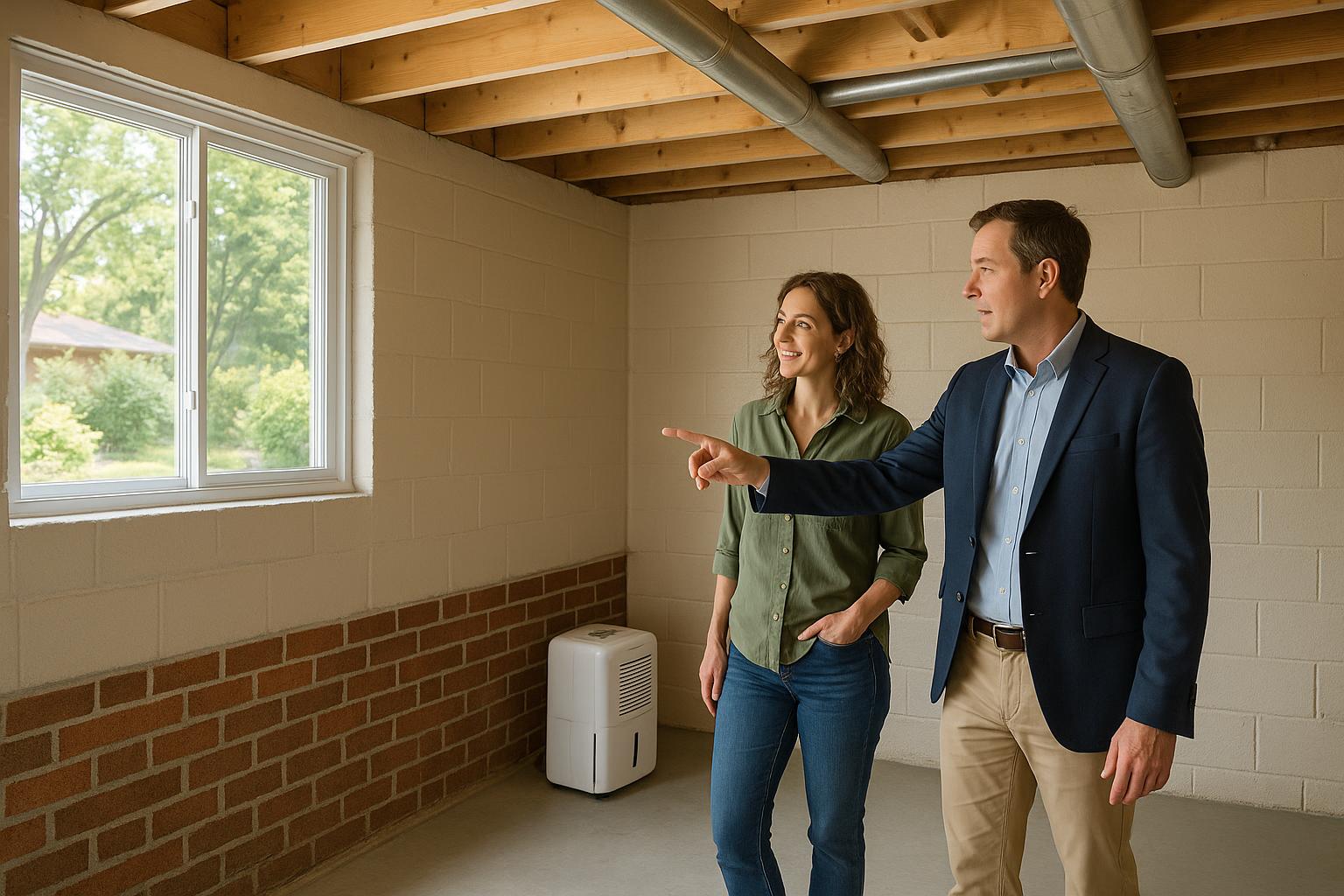
In Grand Rapids, it’s not unusual to find some minor basement dampness, particularly after heavy rain or snowmelt. Many homes have older foundations, and even well-maintained properties might show signs like slight mustiness, a small dehumidifier, or minor efflorescence (white chalky deposits) on walls. These are often manageable and common in our area.
However, standing water, large cracks, bulging foundation walls, or evidence of repeated flooding are red flags that need closer scrutiny. According to the EPA, persistent moisture can contribute to mold growth and structural issues if not addressed. In my experience, Grand Rapids buyers who understand these distinctions are less likely to overreact to minor issues—or overlook something major.
Jason’s take: Most buyers here see at least a little moisture at some point, but the real question is whether it’s a routine issue or a sign of a bigger problem. I always advise buyers to look past the initial “ick” factor and focus on the long-term risk and cost to remedy.
2. Inspection Strategy: What to Expect and How to Protect Yourself
When you’re serious about a Grand Rapids home, your home inspection is your best chance to get the full story on basement moisture. A qualified inspector will check for water stains, foundation cracks, musty odors, visible mold, and test for moisture with a meter. If they find concerns, you may want to bring in a basement or waterproofing specialist for a deeper evaluation.
Most lenders and insurance companies won’t object to minor moisture, but major issues—like structural cracks or chronic flooding—can affect your ability to get a loan or affordable coverage. The Consumer Financial Protection Bureau recommends buyers always attend the inspection and ask detailed questions about any water issues discovered.
Jason’s take: If the basement is dry on inspection day but you see a pile of fans or a big dehumidifier, ask the seller (and inspector) about past water events. Don’t be shy about digging into the property’s history—it can save you headaches down the line.
3. Weighing the Cost: Repairs, Resale, and Offer Decisions
Let’s talk about money: minor fixes like running a dehumidifier, grading soil away from the foundation, or sealing small cracks can often be handled for a few hundred dollars. More serious waterproofing, such as installing interior drain tile or a sump pump, can run $3,000–$10,000+ depending on the size and severity.
As a buyer, you’ll need to weigh whether to ask the seller for repairs, request a price reduction, or walk away. In competitive price ranges—especially under $400,000—buyers might be more willing to accept minor moisture if it means landing the house. But for larger repairs, you should factor costs into your offer and negotiate accordingly.
Rule of thumb: If the cost to fix a moisture issue is less than 1% of the home price and doesn’t signal bigger structural risk, most Grand Rapids buyers proceed with the purchase (often after negotiating a credit or repair). For major foundation or flooding problems, it’s usually best to pause and get a specialist’s opinion before moving forward.
4. Local Buyer Behaviors: How Moisture Issues Affect Offers and Negotiations
In Grand Rapids, buyers tend to expect some basement moisture—especially in older neighborhoods like Eastown, Alger Heights, or Heritage Hill. Homes with recently finished basements or visible waterproofing systems often attract more offers and may sell for a premium, since buyers see them as lower risk.
In multiple-offer situations, buyers sometimes waive minor repair requests to stay competitive, but most will not ignore serious water or foundation problems. If you’re selling, disclosing past repairs or proactively showing receipts for waterproofing work can help build buyer confidence. If you’re buying, don’t be afraid to walk away from a deal if the risk feels too high—there are always more homes coming to market, especially in the spring and early summer.
Jason’s take: I’ve seen buyers win homes by being realistic about minor moisture but lose deals by trying to push for big repairs that sellers see as normal for our area. The best approach is to be clear about your comfort level and budget upfront.
Local insight: In neighborhoods with high demand and older housing, buyers who focus on manageable fixes and don’t panic about minor moisture often have an edge in negotiations. This is especially true when inventory is tight and homes are moving quickly.
Real Buyer Case Study
Last year, I worked with a first-time buyer looking at a $325,000 home in the Eastgate neighborhood. During the inspection, we found light water stains on the basement floor and a small, active sump pump. The inspector confirmed it was typical for the area and found no structural concerns, but my buyer was understandably nervous. We negotiated a $1,000 seller credit for basement sealing and a new dehumidifier. The buyer moved forward, and after one wet spring, has had zero issues. The home’s resale value remains strong, and the buyer is glad they didn’t let minor moisture scare them away.
Grand Rapids Buyer Market Insight
In the current Grand Rapids market, homes under $400,000 often attract multiple offers, especially in popular school districts. Buyers are generally more forgiving of minor basement moisture in these price ranges, as long as it doesn’t involve major repairs or health risks. However, homes with obvious water problems or unfinished basements tend to sit longer and may sell below list price—so being realistic about the scope and cost of repairs can help you make a stronger, more competitive offer.
Frequently Asked Questions About Buying in Grand Rapids
Is basement moisture always a dealbreaker in Grand Rapids?
No, minor basement moisture is very common and usually manageable. Serious issues like flooding or foundation cracks are bigger concerns and may require expert evaluation.
What should I ask during the home inspection?
Ask your inspector to check for water stains, musty odors, visible cracks, and past repairs. Request moisture meter readings and ask about the likely cause of any issues found.
Can I get a mortgage on a home with basement moisture?
Most lenders are fine with minor moisture, but major water intrusion or structural problems can affect loan approval. Always disclose inspection findings to your lender if you’re unsure.
Should I ask the seller to fix basement moisture problems?
If the issue is minor, a credit or simple repair may be enough. For bigger problems, get quotes and negotiate repairs or price reductions before moving forward with the purchase.
Related Grand Rapids Buyer Resources
- How Do I Handle Inspection Repair Requests When Selling My Grand Rapids Home?
- Will My East Grand Rapids Home Attract Buyers This Summer?
- What Should I Know About Selling My East Grand Rapids Home With Historic Character?
About the Author
Jason Pohlonski
is a Michigan licensed real estate salesperson with Keller Williams Grand Rapids East. He helps buyers and sellers throughout Grand Rapids, East Grand Rapids, Forest Hills, Ada, Byron Center, Jenison, Cascade, and surrounding West Michigan communities.
Jason began his real estate career in Chicago in 2004, later expanding his experience in Ann Arbor from 2014 to 2019, and has been serving clients in the Grand Rapids area since 2019.
With over 20 years of combined real estate experience across multiple markets, Jason focuses on helping clients make clear real estate decisions involving pricing, offer terms, inspections, appraisals, relocation timing, and buy-sell planning.
Industry Recognition
Jason is recognized by platforms and industry organizations including Zillow, Grand Rapids Magazine Real Estate All-Stars, and Real Producers for his work serving West Michigan buyers and sellers.
Jason also supports One More Moment, a nonprofit that grants wishes to late-stage cancer patients, by donating $100 for every successful closing.
Professional Disclosure
Jason Pohlonski
Michigan Licensed Real Estate Salesperson
License Verification: Verify Michigan License #6501386166
Brokerage: Keller Williams Grand Rapids East
Brokerage Office: 1555 Arboretum Dr. SE, Grand Rapids, MI 49546
📱 Call or text: 616-916-9770
📅 Schedule consultation:
https://calendly.com/pohlonskirealestate/30min
📧 Email: jpohlonski@kw.com
This article reflects real client experiences and market conditions in Grand Rapids and surrounding communities at the time of publication. Real estate outcomes can vary depending on market conditions, property characteristics, buyer demand, financing terms, inspection results, appraisal results, and lender requirements.
Similar Posts
Can You Lose a Grand Rapids Home After an Inspection?
Worried about losing a Grand Rapids home due to inspection issues? Learn how inspections impact buyers, what to expect, and how to navigate negotiations.
Is New Construction Worth the Premium in Grand Rapids?
Curious if new construction is worth the premium in Grand Rapids? Explore the pros, cons, and local buyer strategies before making your next move.
How Long Does It Take to Buy a Home in Grand Rapids?
Buying a home in Grand Rapids can take anywhere from a few weeks to several months. Once you have an accepted offer, many financed purchases take roughly 30 to 45 days to close, but the full timeline depends on how long it takes to find the right home, win the offer, get through inspections, complete…
Grand Rapids Weekly Market Report — June 21, 2026
This week, Grand Rapids experienced notable activity in the luxury real estate sector, with a significant number of homes selling above their listing prices. Buyers are showing confidence, leading to a rise in pending listings which indicates a competitive environment for well-priced homes. Market Snapshot Active Listings: 229 Pending / Under Contract: 42 Homes Sold:…
What should I know about buying a Grand Rapids home with old plumbing?
Buying a Grand Rapids home with old plumbing? Here’s what to watch for, how to budget, and what questions to ask to avoid expensive surprises after closing.
What should I know about radon testing in Grand Rapids?
Radon testing is a common step for Grand Rapids buyers. Learn why it matters, how it works, and what to do if results come back high before making your purchase.