Should You Waive Inspection to Win in Grand Rapids?
Waiving a home inspection is a bold move, but in Grand Rapids’ competitive housing market, buyers sometimes consider it to strengthen their offers. If you’re weighing whether to waive your inspection contingency, you need to know both the risks and potential rewards, and how this strategy actually plays out locally. In Grand Rapids, the right approach depends on the home’s condition, your risk tolerance, and what other buyers are doing—sometimes, waiving inspection can help you win, but it’s never a decision to take lightly.
Quick Answer
Waiving an inspection in Grand Rapids can help your offer stand out, especially in multiple-offer situations, but it does carry real risk. If you forgo an inspection, you could end up responsible for unexpected repairs or hidden defects after closing—issues that could cost thousands.
In most cases, I advise buyers to keep at least a basic inspection contingency or, if you’re set on waiving, to arrange a pre-offer walkthrough with a qualified inspector. If you’re navigating this scenario, I’m happy to walk through the pros and cons with you.
Strategy 1: Weighing Offer Strength vs. Risk Exposure
In Grand Rapids, homes in popular neighborhoods—like Eastown, Alger Heights, or Forest Hills—often receive several offers within days. Sellers frequently prioritize offers with fewer contingencies, which means buyers sometimes waive inspections to compete. This can give your offer a clear edge, especially if you’re up against cash buyers or offers well over asking price.
However, removing the inspection contingency exposes you to significant financial risk. If the property has major issues (foundation cracks, old roofs, outdated electrical), you’ll have no recourse after closing. Jason’s take: “In our area, I’ve seen sellers favor clean offers, but buyers who skip inspections sometimes regret it later—especially in older homes where surprises are common.”
Strategy 2: The “Walk and Talk” Pre-Offer Inspection
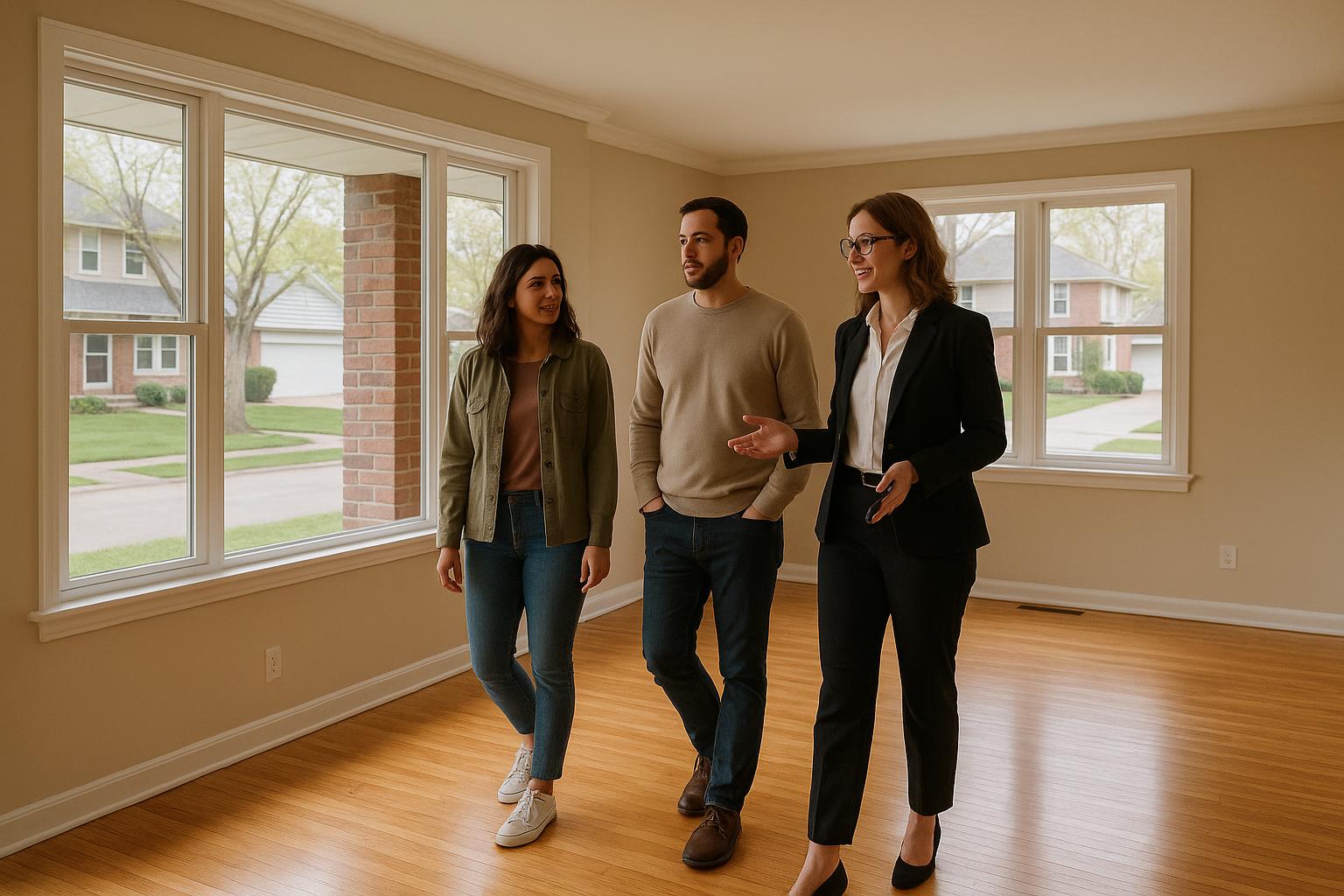
Some buyers in Grand Rapids work with inspectors to do a rapid ‘walk and talk’ before submitting an offer. This is not a full inspection, but a 30-45 minute walkthrough where an inspector points out obvious issues. It lets you make a more informed decision and sometimes gives you the confidence to waive the formal inspection contingency.
Here’s my rule of thumb: Use a walk-and-talk if you’re serious about waiving inspection but don’t want to go in blind. You’ll pay a few hundred dollars, but you might avoid a five-figure mistake. In newer neighborhoods or homes built after 2000, I see buyers more comfortable with this approach than in historic districts.
Strategy 3: Tailoring Your Offer Based on Home Age and Condition
Grand Rapids has a wide variety of homes, from century-old bungalows to new construction. Your approach should be shaped by the home’s age and visible condition. In move-in-ready homes or new builds, waiving the inspection is less risky—though not risk-free. For homes built before the 1970s, skipping an inspection is almost never worth it due to potential issues like knob-and-tube wiring or old plumbing.
Jason’s take: “I always recommend buyers get a sense of the home’s updates and systems before considering waiving inspection. Even in a bidding war, it’s usually possible to keep a basic contingency or do a quick check with an inspector.”
Strategy 4: Using Data and Market Trends to Guide Your Decision
According to Greater Regional Alliance of Realtors (GRAR) data, Grand Rapids inventory remains low, with many homes selling above list price in under a week. This competitive landscape leads some buyers to waive contingencies to win. However, the risk is highest in the $200,000–$350,000 price range where homes sell fastest and attract the most bids.
In higher price brackets or for luxury homes, sellers may expect buyers to keep inspection contingencies. My framework: If you’re competing in a hot neighborhood and the home appears well maintained, a limited inspection contingency (such as “pass/fail only”) can be a smart middle ground.
Real Buyer Case Study
Last spring, I worked with buyers searching in the $325,000–$350,000 range in Grand Rapids’ Creston neighborhood. They found a freshly renovated home that received five offers within 48 hours. To compete, we arranged a pre-offer walk-and-talk inspection. Confident there were no red flags, my clients waived the formal inspection contingency but still had the peace of mind of a professional’s opinion. Their offer won, and post-closing, only minor cosmetic issues turned up—saving them both stress and money.
Grand Rapids Buyer Market Insight
In recent months, I’ve noticed more buyers in Grand Rapids using creative strategies—like pre-offer inspections or limiting their contingency to major defects—to stay competitive. In East Grand Rapids and Forest Hills, buyers are especially aggressive in the $400,000+ range, often waiving inspections if the home appears updated. But in areas with older homes, most buyers still want that inspection safety net. School districts and proximity to downtown also drive competition—Forest Hills schools, for instance, consistently see multiple-offer situations.
Frequently Asked Questions About Buying in Grand Rapids
- Can I negotiate repairs after waiving inspection?
Once you waive the inspection contingency, you typically lose the ability to negotiate repairs unless you find a major issue before closing. - Are sellers more likely to accept my offer if I waive inspection?
In multiple-offer scenarios, waiving inspection can make your offer more attractive, but it’s not a guarantee—price, financing, and flexibility all matter too. - What are alternatives to waiving inspection completely?
Consider a pre-offer walkthrough with an inspector or a pass/fail inspection clause, where you can only back out if a major issue is found. - How do I know if waiving inspection is worth the risk?
Assess the home’s age, visible condition, and competition. Ask your agent for local comps and insight into how often issues come up in similar homes.
Related Grand Rapids Buyer Resources
- What Buyers Pay in Closing Costs in Grand Rapids
- Grand Rapids Home Prices vs. National Average 2026
- Should You Get a Pre-Listing Inspection in EGR?
About the Author
Jason Pohlonski
is a Michigan licensed real estate salesperson specializing in strategic home sales in East Grand Rapids, Forest Hills, Ada, and surrounding West Michigan communities.
Jason began his real estate career in Chicago in 2004, later expanding his experience in Ann Arbor from 2014 to 2019, and has been serving clients in the Grand Rapids area since 2019.
With over 20 years of combined real estate experience across multiple markets, Jason focuses on pricing strategy, negotiation structure, and helping clients make confident decisions during complex transactions.
Jason is recognized by platforms and industry organizations including Zillow, Grand Rapids Magazine Real Estate All-Stars, and Real Producers for his work serving West Michigan buyers and sellers.
Professional Disclosure
Jason Pohlonski
Michigan Licensed Real Estate Salesperson
License Verification: Verify Michigan License #360538118
Brokerage: Keller Williams Grand Rapids East
📱 Call or text: 616-916-9770
📅 Want a quick second opinion before you make a move?
Schedule a quick 30-minute call
This article reflects real client experiences and market conditions in Grand Rapids and surrounding communities at the time of publication.
Real estate outcomes can vary depending on market conditions, property characteristics, and buyer demand.